

A. Key Information
Capital & Region
Ankara , Middle East /
Europe (transcontinental)
Emergency Numbers
Police: 110
Ambulance: 120
Fire: 119
General: 112
Ambulance: 120
Fire: 119
General: 112
Currency & Calling Code
Turkish lira (TRY) +90
Languages & Population
Turkish (official); Kurdish and other minority
languages in some regions , Approximately 86.1 million
Driving Side
Right
B. Practical Survival
Connectivity
Good mobile coverage in major cities.
SIM cards usually available on arrival.
SIM cards usually available on arrival.
Payments
Cards widely accepted in commercial hubs.
Cash still preferred in local markets.
Cash still preferred in local markets.
Power Adapters & Plugs
220V / 50Hz
 Type C
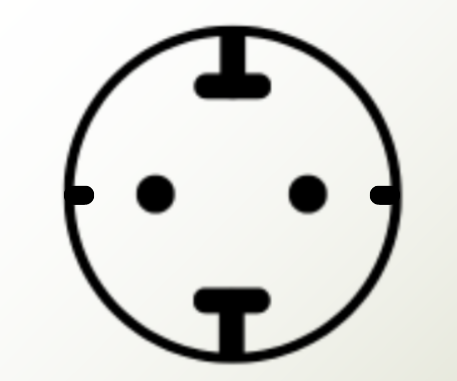 Type F
B. Practical Survival Notes
- Flights: Choose direct flights into Istanbul Airport (IST), Sabiha Gökçen (SAW), Antalya (AYT) or Izmir (ADB) with reputable carriers, and avoid routing itineraries through high-tension airspace when alternatives exist. MODERATE risk of disruption or short-notice schedule changes.
- Airport Transfers: Pre-book licensed taxis or reputable transfer services from airports, and use official taxi ranks at IST, SAW and AYT rather than accepting unsolicited rides. MODERATE risk of overcharging or exposure to petty crime.
- Car Hire: Hire vehicles only from well-known international or major Turkish rental companies, and avoid self-driving itineraries near the Syrian, Iraqi and Iranian borders or in provinces under stricter foreign travel advisories. HIGH risk of encountering security checkpoints or unstable local conditions.
- Accommodation: Select hotels or serviced apartments in central, well-patrolled districts (e.g. Istanbul's Şişli, Beşiktaş, Karaköy, Sultanahmet; Ankara's Çankaya; Antalya's city centre and Lara) and confirm 24-hour reception and security presence. MODERATE risk of theft or poor emergency support in low-end or isolated properties.
- Attractions & Tours: Book guided tours to Cappadocia, Pamukkale, Ephesus and coastal resorts through licensed operators, and avoid excursions that travel close to border provinces highlighted in higher-risk advisories. HIGH risk of inadvertent entry into sensitive zones or detention for straying into restricted areas.
- Shelter-in-Place Planning: Confirm your hotel's emergency procedures for lockdown, evacuation and safe rooms, and identify at least two internal areas away from glass and street frontage where you can shelter during unrest, an attack, or an earthquake. HIGH risk of injury or confusion during a fast-moving incident.
- Emergency Evacuation Routes: Map primary and secondary routes to major airports (IST, SAW, AYT, ESB) and coach terminals, and track alternative exit options via coastal ports if air travel faces temporary disruption. MODERATE risk of being stranded by cancelled flights or blocked roads.
- Emergency Kit Preparation: Assemble a compact kit with copies of key documents, local cash, power bank, basic first aid, and a printed contact list for local embassies and consulates in Ankara and Istanbul. MODERATE risk of being unable to access funds or assistance during a crisis.
- Document Security: Keep passports, residence permits, and visas in a hotel safe or RFID-shielded organiser, and carry only a photocopy or digital copy when moving around crowded areas and public transport. HIGH risk of theft, loss, or complications at checkpoints.
- Monitoring Official Alerts: Regularly check the Turkish Disaster and Emergency Management Authority (AFAD) announcements, local news, and your home government's travel advisory pages for updates on border restrictions, protests, seismic activity, or security incidents. MODERATE risk of entering affected areas without awareness.
- Local Transport Choices: Use modern metro, tram and bus systems in Istanbul, Ankara and Izmir at off-peak times, and favour app-dispatch taxis in nightlife districts around Taksim, Kadıköy and Karşıyaka. MODERATE risk of pickpocketing or harassment on crowded services.
- Intercity Travel Planning: Choose daytime intercity flights or reputable coach lines between major hubs, and avoid overnight buses through eastern or south-eastern regions flagged for increased terrorism and armed conflict risk. HIGH risk of security incidents or road closures on certain routes.
- Border Zone Avoidance: Explicitly exclude itineraries within roughly 10 km of the Syrian and Iraqi borders and reconsider travel to provinces such as Şırnak, Hakkari, Mardin, Şanlıurfa and parts of Van, Ağrı and Iğdır unless essential and professionally supported, noting that while some crossings such as Akçakale have reopened to civilian traffic, the wider border zone remains security-sensitive. HIGH risk of terrorism, armed conflict or detention.
- Local Emergency Numbers: Save Turkish emergency numbers (112 for combined ambulance, fire and police) and your embassy's emergency line, and rehearse how to describe your location using nearby landmarks and district names. MODERATE risk of delayed response in a critical incident.
C. Cultural Red Lines
- Respect for Secular-Islamic Balance: Avoid derogatory comments about Islam, secularism, or the founder Mustafa Kemal Atatürk, and do not deface or disrespect images or statues of Atatürk in public. HIGH risk of arrest or aggressive social backlash.
- Political Demonstrations: Do not join protests, marches or partisan rallies, especially in Istanbul's Taksim area, Ankara's Kızılay, or near university campuses, and avoid photographing or posting commentary that appears supportive of contentious groups. HIGH risk of detention, questioning or deportation.
- Insult Laws and Online Speech: Refrain from insulting the Turkish nation, flag, government or presidency in conversation or online posts, including social media content created while in the country. HIGH risk of fines, arrest or legal proceedings.
- Religious Site Etiquette: Dress modestly and behave quietly in mosques such as Sultanahmet (Blue Mosque), Süleymaniye and Eyüp, removing shoes in prayer areas and avoiding intrusive photography of worshippers. MODERATE risk of ejection from the site or strong social backlash.
- Conduct During Ramadan: Avoid eating, drinking or smoking in a conspicuous manner on the street in more conservative neighbourhoods during daylight hours in Ramadan, and do not mock fasting practices. MODERATE risk of severe social criticism or confrontations.
- Alcohol Consumption Boundaries: Do not drink alcohol in clearly conservative districts or near mosques, and avoid public intoxication around family areas, transport hubs and provincial towns. MODERATE risk of police intervention or assault by offended locals.
- Drug Possession Laws: Do not purchase, possess or use illegal drugs, including small quantities of cannabis, regardless of nightlife offers in Istanbul or coastal resorts. HIGH risk of long-term imprisonment and heavy fines.
- Kurdish and Minority Politics: Avoid public discussion or social media commentary that appears to support proscribed organisations or separatist movements in the south-east, and do not display contentious symbols or flags. HIGH risk of surveillance, detention or charges related to terrorism laws.
- Photography of Sensitive Sites: Do not take photos of military installations, border posts, security checkpoints, or police operations, and avoid filming airport security screening. HIGH risk of equipment confiscation, questioning or arrest.
- LGBTQ+ Public Behaviour: Exercise caution with public displays of affection in conservative districts and avoid high-visibility participation in unauthorised pride events, particularly after previous bans and dispersals. MODERATE risk of harassment, police attention or assault.
- Respect for Turkish Flag and Symbols: Do not sit on, step over, burn, or use the Turkish flag in an irreverent way, including clothing or social media posts that could be seen as mocking. HIGH risk of prosecution under insult laws.
- Criticism of Foreign Policy: Avoid strong public criticism of Turkey's foreign policy or security operations, especially concerning Syria or Kurdish issues, in bars, taxis or online while in-country. MODERATE risk of targeted hostility or police reporting.
- Monarchy and Regional Sensitivities: Refrain from making provocative comparisons between Turkey and neighbouring states' monarchies or conflicts that can be construed as supporting external agendas. MODERATE risk of social backlash or escalation into police complaints.
D. Connectivity
Primary Carriers
- Top Pick: Choose Turkcell for strong 4G and expanding 5G coverage across major Turkish cities, coastlines and many rural corridors.
- Budget Pick: Select Bimcell or Vodafone Türkiye for lower-cost prepaid packages while accepting patchier data speeds in remote areas.
- Coverage Note: Verify coverage maps before travelling to eastern and south-eastern provinces, as all operators reduce service quality near some border zones and mountainous terrain.
eSIM Readiness
- Status: Confirm eSIM support with Turkcell, Vodafone Türkiye or Türk Telekom before arrival, as major carriers now advertise eSIM for many newer smartphones.
- Action: Purchase an eSIM or physical SIM soon after landing at airport kiosks or official city shops to secure local data and voice capacity for navigation and emergency calls.
- Registration: Present your passport and provide a local address when you register a SIM, because Turkish regulations require identity verification for mobile lines.
Essential Apps
- Transport: Install BiTaksi, iTaksi, Martı and airline apps for Istanbul Airport, Turkish Airlines and Pegasus to coordinate taxis, scooters and flight status updates.
- Communication: Use WhatsApp, Telegram and Signal for messaging with local contacts and colleagues, as many residents rely on these platforms daily.
- Payment: Activate your bank's mobile app and consider domestic options such as FAST and QR payments through major Turkish banks to streamline card use, while still carrying cash for smaller shops.
Offline Map Guidance
- Action: Download offline maps for Istanbul, Ankara, Izmir, Antalya and Cappadocia using apps like Google Maps or Maps.me before travelling through low-signal regions.
- Navigation Tip: Save key pins for hotels, airports, main metro stations and hospitals to navigate quickly if live data drops or your SIM experiences restrictions in rural areas.
Digital Restrictions & VPNs
- Banned Apps: Check current news for any blocks on specific social platforms or messaging tools, as authorities occasionally restrict or throttle popular sites during major security events or protests.
- VPN Status: Use reputable VPN services cautiously for business-critical access, understanding that authorities monitor and may discourage circumvention of certain content controls.
- Recommendation: Configure your VPN and essential cloud tools before arrival and test them on hotel Wi-Fi, while avoiding activities that breach Turkish law or appear to support banned organisations.
Wi-Fi & Workspaces
- Availability: Rely on free Wi-Fi in airports, major hotels, cafés and co-working spaces in Istanbul, Ankara and Izmir, but expect slower or inconsistent access in smaller towns.
- Security: Enable device encryption and use secure connections or VPNs when you connect to public Wi-Fi, particularly around tourist districts and transport hubs where data theft risks increase.
E. Potential Scams
- Taksim Bar Overcharging: In Istanbul's Taksim and Istiklal areas, some bars entice travellers with friendly staff then present inflated bills or add undisclosed service charges. MODERATE risk of significant financial loss.
- Spiked Drinks in Nightlife Districts: In popular nightlife zones such as Beyoğlu, Kadıköy and Antalya's old town, criminals occasionally spike drinks to facilitate card theft or robbery. HIGH risk of theft and serious health consequences.
- Fake Taxi Fare Negotiation: Around Istanbul Airport, bus terminals and major tourist sites, unlicensed drivers may quote low initial fares then demand far higher payment on arrival. MODERATE risk of financial loss and intimidation.
- Currency Exchange "Drop and Swap": Near Grand Bazaar, Spice Bazaar and border-adjacent towns, some informal exchangers switch genuine lira or euros for counterfeit or lower-denomination notes. HIGH risk of financial loss and inability to pay legitimate vendors.
- Counterfeit Tour Operators: In Sultanahmet, Cappadocia and Pamukkale, unregistered agents sell "discount" balloon rides, boat trips or day tours without insurance or real bookings. HIGH risk of financial loss and being stranded without services.
- Unmetered Taxi Detours: In cities like Istanbul and Ankara, some taxi drivers avoid using the meter or take long detours from airports and train stations to inflate fares. MODERATE risk of overpayment and confrontation.
- Ticket Resale Scams at Transport Hubs: At bus terminals and suburban train stations, touts may sell fake or already-used tickets to domestic and foreign travellers. MODERATE risk of being refused boarding and losing money.
- Online Rental Fraud: On global listing platforms, fraudulent hosts present attractive Istanbul or coastal apartments, then cancel or fail to appear after receiving off-platform deposits. HIGH risk of losing prepaid funds and facing accommodation gaps.
- Street Charity Collections: In central squares and metro entrances, individuals posing as charity workers may pressure travellers into donations without credible documentation. LOW risk of modest financial loss and data exposure if receipts capture card details.
- Dating-App Bar Setups: In Istanbul and Antalya, scammers use dating apps to invite travellers to specific bars that then apply exorbitant bills and aggressive collection tactics. HIGH risk of financial extortion and personal safety threats.
- Tourist Shop Price Switching: In busy bazaars, some vendors quote one price in English, then enter a higher price on card terminals or alter written receipts. MODERATE risk of incremental overcharging.
- Fake Guide at Heritage Sites: At sites like Ephesus, Topkapı Palace and Dolmabahçe, unofficial guides may promise "exclusive access" then deliver rushed, low-value tours without tickets included. LOW risk of modest financial loss.
- SIM Card Upselling at Kiosks: At airports and tourist districts, some kiosks push overpriced "tourist" SIM bundles with unnecessary add-ons and hidden activation fees. LOW risk of avoidable extra costs.
F. Things To Watch Out For
- Terrorism Threat in Major Cities: Istanbul and Ankara experience an ongoing though sporadic risk of terrorist attacks, including previous incidents near diplomatic missions and crowded public places. HIGH risk of casualties or movement restrictions during an incident.
- Border Region Instability: Areas within roughly 10 km of the Syrian and Iraqi borders, and provinces such as Şırnak and Hakkari, face heightened terrorism and armed conflict risks, though the security picture along the Syrian frontier is gradually stabilising, with six of twelve official crossings, including Akçakale, reopened to civilian travel in 2026 as part of broader normalisation with Damascus and renewed investment in border infrastructure. HIGH risk of violence, curfews or rapid security escalations, though improving in some crossing zones.
- Regional Middle East Tensions: Airspace and flight routings involving Turkey can face adjustment due to tensions involving Iran, Israel and other regional actors, especially during flare-ups. MODERATE risk of flight delays, diversions or cancellations.
- Earthquake Hazard: Much of Turkey lies on active seismic faults, and cities like Istanbul, Izmir and eastern regions face significant earthquake risk with potential building and infrastructure damage, illustrated by a magnitude 5.0 quake that struck Malatya province in July 2026 without causing casualties. HIGH risk of injury and disruption during a major event.
- Crowded Tourist Zones: Areas such as Sultanahmet, Istiklal, Grand Bazaar, Kadıköy and Antalya's old town frequently become densely packed, increasing exposure to pickpocketing and stampede risk in emergencies. MODERATE risk of petty theft or injury in crowd surges.
- Seasonal Flooding and Landslides: Heavy rains occasionally trigger urban flooding in cities and landslides on rural roads, particularly in the Black Sea region. MODERATE risk of road closures, travel delays and accidents.
- Language Barriers Outside Tourist Areas: English proficiency drops outside main tourist and business centres, complicating emergency communication and navigation. LOW risk of misunderstanding in critical situations.
- Infrastructure Strain in Rapid Urban Growth: Fast expansion in metropolitan areas can lead to occasional power cuts, water disruptions or transport congestion. LOW risk of temporary loss of services and delays.
- Security Presence at Checkpoints: Travellers may encounter police or gendarmerie checkpoints, especially on intercity roads in the east and south-east and near strategic facilities. MODERATE risk of questioning or temporary detention if documents are incomplete.
- Cyber Risks to Travellers: Public Wi-Fi networks in hotels, cafés and airports create opportunities for credential theft and device compromise. MODERATE risk of data loss or account breaches.
- Heat and Sun Exposure in Summer: Coastal resorts and urban centres experience high temperatures in summer, increasing the risk of dehydration and heat-related illness for unprepared travellers. LOW risk of medical issues requiring treatment.
- Air Pollution Episodes: Industrial areas and some big-city districts occasionally experience poor air quality, which can affect travellers with respiratory conditions. LOW risk of health aggravation.
- Stray Animals on Roads: Stray dogs and livestock appear on rural roads, particularly at night, posing collision hazards to drivers. LOW risk of traffic accidents.
G. Dos
- Carry Identification at All Times: Do carry your passport or residency card, or a clear copy, when moving around cities and travelling between provinces, as police and gendarmerie may request ID. MODERATE risk of fines or temporary detention if you cannot present documents.
- Learn Basic Turkish Phrases: Do learn simple greetings and practical terms, such as "merhaba", "teşekkürler", and how to ask for help, to improve interactions and speed up assistance. LOW risk of miscommunication in stressful situations.
- Use Recommended Public Transport: Do rely on official metro, tram, bus and ferry systems in Istanbul, Ankara and Izmir for predictable and relatively safe movement. MODERATE risk of minor theft on crowded routes if you neglect vigilance.
- Purchase Comprehensive Insurance: Do obtain travel insurance that explicitly covers terrorism-related disruption, medical evacuation and trip interruption in Turkey. HIGH risk of major financial exposure if a serious incident affects your travel.
- Register with Your Embassy: Do enrol in your home country's crisis or traveller registration system when staying longer than a few days, especially if visiting Istanbul or border-adjacent provinces. MODERATE risk of delayed consular help without prior registration.
- Observe Local Social Norms: Do speak at moderate volume, queue patiently and show courtesy to elders and families, particularly in conservative districts and smaller towns. LOW risk of social friction escalating into confrontations.
- Plan for Earthquake Readiness: Do familiarise yourself with hotel evacuation routes, safe spots away from windows, and local earthquake guidance, especially in Istanbul and eastern regions. HIGH risk of harm during a major quake if you lack preparation.
- Maintain Mixed Payment Options: Do carry a mix of cash and cards, as smaller shops may prefer cash while hotels and larger establishments take cards and contactless payments. LOW risk of being unable to complete purchases in certain venues.
- Save Key Locations Offline: Do store offline map pins for your accommodation, nearest hospitals and consulates, and main transport hubs. MODERATE risk of being unable to navigate during network outages.
- Use Licensed Tour Guides: Do book tours with licensed guides at major heritage sites to gain accurate information and avoid unofficial sellers. LOW risk of low-quality experiences and minor scams.
- Keep Family and Employer Updated: Do share your itinerary and any changes with a trusted contact or corporate security team, particularly when moving between regions. MODERATE risk of delayed assistance if you go missing with no traceable route.
- Follow Local News Daily: Do check local and international news each day for updates on protests, terrorist arrests or regional tensions that might affect mobility. MODERATE risk of stumbling into unrest if you ignore developments.
- Dress Respectfully in Mixed Settings: Do choose modest attire when visiting religious sites or conservative neighbourhoods, even if coastal resorts feel more relaxed. LOW risk of negative attention or denial of entry.
H. Don'ts
- Do Not Join Street Protests: Do not participate in demonstrations or political rallies, even if they appear peaceful, in areas such as Taksim, Kızılay or near courthouses and government buildings. HIGH risk of detention or injury if police disperse crowds.
- Do Not Ignore Security Checkpoints: Do not refuse instructions at police or gendarmerie checkpoints, and avoid filming or arguing about procedures. HIGH risk of arrest or prolonged questioning.
- Do Not Display Intoxication in Public: Do not become visibly drunk in residential districts, transport hubs or near mosques, even if nightlife areas seem tolerant. MODERATE risk of assault, police attention or fines.
- Do Not Engage with Aggressive Touts: Do not follow persistent street touts into back-alley shops, clubs or "special" tour offices, especially around major bazaars and nightlife strips. MODERATE risk of scams, intimidation or robbery.
- Do Not Neglect Earthquake Warnings: Do not ignore seismic alerts or building safety notices, and avoid staying in visibly poor-quality structures in high-risk zones. HIGH risk of serious injury or death in a quake.
- Do Not Take Unlicensed Taxis: Do not accept rides from unmarked vehicles or drivers without clear identification near airports, bus stations or ports. HIGH risk of extortion or personal harm.
- Do Not Photograph Military or Critical Infrastructure: Do not take photos of military bases, police stations, border posts, or strategic bridges and tunnels. HIGH risk of arrest and equipment confiscation.
- Do Not Rely Solely on Card Payments: Do not assume every business accepts foreign cards or contactless, especially in smaller towns and markets. LOW risk of being unable to pay for essential items.
- Do Not Publicly Criticise Sensitive Topics: Do not loudly condemn Turkish domestic politics, security operations or religious customs in public spaces or taxis. MODERATE risk of confrontation or report to authorities.
- Do Not Walk Distracted in Crowded Areas: Do not use your phone or handle cash with little awareness while in dense markets or metro stations. MODERATE risk of pickpocketing.
- Do Not Swim in Unsupervised Coastal Spots: Do not ignore local advice or flag systems on Aegean and Mediterranean beaches regarding currents and safe zones. LOW risk of drowning or serious injury.
- Do Not Accept Unverified Invitations: Do not follow new acquaintances to private venues or informal gatherings without checking context and location. MODERATE risk of exposure to scams or unsafe situations.
- Do Not Overpack Daily Carry: Do not carry all cash, cards and documents in one bag while sightseeing. MODERATE risk of major loss if theft occurs.
I. Special Considerations
- Seismic Risk and Building Standards: Turkey sits on major fault lines and continues upgrading building codes, but older structures remain and contribute to higher risk during strong earthquakes. HIGH risk of structural failure and casualties in a major event.
- Population Density in Major Cities: Istanbul, Ankara and Izmir experience heavy congestion and dense crowds, which complicate evacuation and emergency response in crises. MODERATE risk of delayed assistance and logistical bottlenecks.
- Healthcare Access and Payment Expectations: Private hospitals in big cities generally offer good care, but travellers often must pay upfront and reclaim costs from insurance later. MODERATE risk of financial strain if uninsured.
- Governance and Rule-of-Law Realities: Turkey applies strong internal security laws, particularly on terrorism and public order, and foreign nationals can face lengthy procedures if implicated. HIGH risk of extended legal entanglement for those breaching sensitive laws.
- Disaster-Warning Systems and AFAD Role: The national emergency agency AFAD disseminates alerts on earthquakes, floods and other hazards, but foreign travellers may miss notifications if they lack Turkish language or local apps. MODERATE risk of slow reaction to emerging disasters.
- Smoking Regulations and Public Norms: Formal restrictions prohibit smoking inside many public buildings and transport, yet informal tolerance persists in some areas, creating mixed expectations for travellers. LOW risk of fines or social friction.
- Financial Volatility and Currency Issues: The Turkish lira experiences notable fluctuations, affecting prices and card authorisations, particularly for longer stays. MODERATE risk of budget overruns or card declines.
- Digital Environment and Surveillance: Authorities monitor online activity more actively than in many Western states, especially for political and security-related content. MODERATE risk of investigation or deportation for provocative postings.
- Time Expectations and Punctuality: Domestic flights and high-speed trains often run on schedule, but some intercity buses and local services operate with more flexible timing. LOW risk of missed connections for tightly planned itineraries.
- Tourism Volume and Seasonal Crowding: Turkey attracts tens of millions of visitors annually, with peak seasons around summer and religious holidays leading to full hotels and booked-out transport. MODERATE risk of limited availability and higher prices.
- Tattoo Perception in Conservative Areas: Visible tattoos may attract attention or disapproval in conservative neighbourhoods and religious sites, though coastal resorts show more acceptance. LOW risk of social discomfort or denial of entry to certain facilities.
- Exit Logistics and Documentation: Travellers must ensure visas, residence permits and overstay limits align with their departure dates, as overstays can lead to fines and re-entry bans. HIGH risk of sanctions or future travel restrictions.
- Corporate Duty of Care Considerations: Organisations sending staff to Turkey should integrate terrorism, earthquake and regional-tension scenarios into their travel risk programmes. MODERATE risk of unmanaged exposure if corporate policies ignore these factors.
- Healthcare Costs: Medical facilities expect you to pay out of pocket for non-urgent care. Consult your insurance provider before seeking treatment to understand coverage, co-pays, and reimbursement procedures. For emergencies, seek treatment first and contact your insurer immediately. HIGH risk of severe medical debt or delayed treatment.
- Travel Insurance Requirement: Purchase comprehensive travel insurance that includes emergency medical evacuation, repatriation, and trip cancellation. Verify your policy covers all planned activities and destinations. EXTREME risk of financial loss during a crisis.