


A. Key Information
Capital & Region
Manila , Southeast
Asia
Emergency Numbers
Police: 110
Ambulance: 120
Fire: 119
General: 112
Ambulance: 120
Fire: 119
General: 112
Currency & Calling Code
Philippine peso (PHP) +63
Languages & Population
Filipino, English ,
Approximately 115.8 million
Driving Side
Right
B. Practical Survival
Connectivity
Good mobile coverage in major cities.
SIM cards usually available on arrival.
SIM cards usually available on arrival.
Payments
Cards widely accepted in commercial hubs.
Cash still preferred in local markets.
Cash still preferred in local markets.
Power Adapters & Plugs
220V / 50Hz
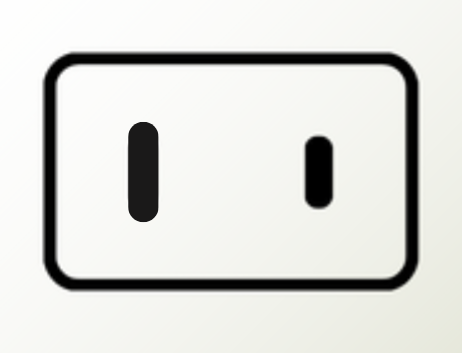 Type A
 Type B
 Type C
B. Practical Survival Notes
- Flights: Use Manila, Cebu, Clark, or Davao as your main entry points and avoid routing leisure travel through smaller airports near Mindanao’s higher-risk provinces unless you have a compelling operational need. MODERATE risk of disruption, diversion, or exposure to security incidents.
- Airport Transfers: Arrange metered taxis, hotel cars, or pre-booked rides from the terminal and confirm the driver, vehicle plate, and fare before departure. MODERATE risk of overcharging, theft, or route manipulation.
- Car Hire: Hire a vehicle only if you can tolerate variable road quality, heavy congestion, and inconsistent signage, and avoid self-driving in remote Mindanao or during severe weather. HIGH risk of collision, breakdown, or becoming stranded in a vulnerable area.
- Accommodation: Choose internationally branded hotels or well-reviewed urban properties with controlled access, 24-hour reception, backup power, and upper-floor rooms away from street-level exposure. MODERATE risk of petty theft, power loss, or forced relocation during disruptions.
- Attractions & Tours: Book day tours through established operators for Manila, Cebu, Boracay, Palawan, and Bohol, and verify that any excursion near southern or coastal provinces does not cross into higher-risk districts. HIGH risk of kidnapping exposure, tour cancellation, or being left without reliable support.
- Evacuation Routes: Keep a fallback plan that uses air evacuation from Manila, Cebu, Clark, or Davao, and identify the nearest hospital and embassies before travelling to outlying islands. HIGH risk of delayed medical evacuation or isolation after a typhoon, earthquake, or security incident.
- Shelter Options: Identify solid concrete buildings, hotel refuge floors, and inland ground above flood level before arrival, especially in coastal and low-lying locations. HIGH risk of injury from storm surge, flooding, or structural damage.
- Document Security: Carry your passport data page separately from the original, store digital copies offline, and keep one emergency cash reserve and contact list in a sealed bag. MODERATE risk of losing access to identity documents or funds after theft or evacuation.
- Alert Monitoring: Check PAGASA, official embassy notices, and airline disruption updates several times daily, especially during the typhoon season and after seismic activity. HIGH risk of moving into an area under sudden closure, evacuation, or transport suspension.
C. Cultural Red Lines
- Mindanao Travel: Do not enter western or central Mindanao, BARMM, or the Sulu Archipelago unless your itinerary has an essential, verified operational need and you have current security clearance. EXTREME risk of kidnapping, violent attack, or detention during an incident.
- Insurgent Symbols: Do not display, share, or praise armed-group symbols, slogans, or social media content linked to Abu Sayyaf, NPA, or similar organisations. HIGH risk of arrest, interrogation, or severe local backlash.
- Religious Respect: Remove hats where appropriate in churches and mosques, dress modestly in religious districts, and avoid loud behaviour during prayer times and major holy periods. MODERATE risk of offence, denial of entry, or social confrontation.
- Political Criticism: Do not mock local leaders, security forces, or regional political dynasties in public settings, especially in areas with tense clan politics. MODERATE risk of confrontation, surveillance, or unwanted escalation.
- Public Affection: Keep public displays of affection discreet, particularly in conservative areas and smaller communities outside major cities. LOW risk of social backlash or repeated attention.
- Photography Limits: Ask before photographing people, checkpoints, religious processions, security infrastructure, or sensitive transport facilities. MODERATE risk of anger, confiscation, or being ordered to delete images.
- Alcohol and Drugs: Treat narcotics as a strict no-go and avoid informal offers of pills, powders, or cannabis products; the legal and personal consequences can be severe. EXTREME risk of arrest, detention, or long-term legal problems.
- Dress Standards: Wear conservative clothing in provincial towns, temples, churches, and government buildings, and avoid beachwear away from the coast. LOW risk of offence or being refused service.
D. Connectivity
Primary Carriers
- Top Pick: Globe and Smart dominate national coverage, while Dito provides a growing third network in major urban areas and selected corridors.
- Budget Pick: Globe prepaid and Smart prepaid plans usually suit short-stay visitors who need broad urban coverage and easy top-ups.
- Coverage Note: Metro Manila, Cebu, Clark, Davao, and major tourist islands usually provide workable service, while parts of Mindanao, remote islands, and mountain terrain can produce weak or unstable signal.
eSIM Readiness
- Status: Major international eSIM providers sell Philippines profiles, and the local networks support standard tourist data use in most cities.
- Action: Install and activate your eSIM before arrival, then keep a physical SIM backup if you plan to travel beyond the main urban belt.
- Registration: Local SIM registration rules apply to issued SIMs, and operators require identity checks; follow the seller’s activation instructions carefully and keep your passport accessible.
Essential Apps
- Transport: Use Grab for ride-hailing and airport transfers, and use airline apps for real-time schedule changes.
- Communication: Locals widely use Messenger, Viber, and WhatsApp for coordination, while SMS remains useful for one-time security codes.
- Payment: Retailers widely accept cash, card, and mobile wallet payments in major cities, with GCash and Maya serving as the dominant local wallet options.
Offline Map Guidance
- Action: Download offline maps for Manila, Cebu, Clark, Davao, and any island or mountain route before departure.
- Navigation Tip: Save hotel pins, airport terminals, and hospital locations offline so you can move if data service drops during storms or power cuts.
Digital Restrictions & VPNs
- Banned Apps: No major consumer messaging or map apps face routine nationwide blocking for ordinary travellers.
- VPN Status: Travellers can usually use VPNs for personal security and corporate access, provided they follow employer policy and any site-specific terms.
- Recommendation: Use a reputable VPN on public Wi-Fi, but avoid login prompts for banking or passport uploads on unsecured networks.
Wi-Fi & Workspaces
- Availability: Airports, large malls, hotels, and many cafés in Metro Manila, Cebu, and Clark provide free or customer Wi-Fi, while remote provinces often deliver slower and less stable service.
- Security: Use a VPN on open networks, disable automatic file sharing, and avoid sensitive transactions on shared café or airport Wi-Fi.
E. Potential Scams
- Karaoke Bars: In Manila, Makati, and Cebu nightlife districts, staff may overstate tab bills, add surprise service charges, or steer you towards expensive rounds. MODERATE risk of overpayment or pressured spending.
- Taxi Meter Tricks: Around Ninoy Aquino International Airport, major malls, and busy hotel districts, some drivers try fare inflation, meter tampering, or longer routes. MODERATE risk of overcharging or missing connections.
- Counterfeit Tours: In Palawan, Boracay, Bohol, and Cebu, unlicensed sellers may offer discounted island trips, diving packages, or “last seats” excursions that never depart. MODERATE risk of financial loss or unsafe transport.
- Phone Phishing: Fraudsters use calls, SMS, and messaging apps to impersonate banks, courier firms, or delivery platforms and ask for one-time passwords or card details. HIGH risk of account theft or identity compromise.
- Dating-App Setups: In urban entertainment areas, strangers who connect through dating apps may push you to a specific bar or bill-heavy venue with inflated charges. MODERATE risk of extortion or coercive spending.
- Cash Exchange Tricks: Street exchangers and informal counters can use short counts, swapped notes, or poor rates, particularly near transport hubs and tourist strips. MODERATE risk of direct cash loss.
- Fake Donation Requests: Outside churches, terminals, and shopping streets, unofficial collectors sometimes claim to raise money for children, temples, or disaster victims. LOW risk of losing small sums, with occasional repeat harassment.
- Online Booking Fraud: Social media travel pages and unverified listings sometimes advertise fake hotel deposits, tour slots, or domestic flight bargains. HIGH risk of data theft, fraud, or stranded bookings.
F. Things To Watch Out For
- Typhoons: The country faces a strong seasonal typhoon pattern that can disrupt flights, ferries, power supply, and road access with little notice, especially in Luzon and the Visayas. HIGH risk of transport cancellation, flooding, or isolation.
- Flooding: Metro Manila, low-lying provincial cities, and river-adjacent districts can flood quickly after intense rain, while drainage failures can paralyse roads and local services. HIGH risk of vehicle damage, missed flights, or stranded travellers.
- Landslides: Mountain routes in the Cordillera and other upland areas can suffer road slips, mudflows, and bridge damage during heavy rain. HIGH risk of being cut off or injured on road journeys.
- Earthquakes: The Philippines sits on an active seismic belt, and strong tremors can damage buildings, trigger evacuations, and interrupt power and communications. HIGH risk of injury or sudden infrastructure failure.
- Tsunami Exposure: Coastal communities in the east and south can face tsunami risk after offshore quakes, so shoreline travel and beach hotels need rapid evacuation awareness. EXTREME risk of fatality in a major event.
- Volcanic Activity: Mayon, Taal, and other monitored volcanoes can change alert status quickly and affect aviation, ground access, and local air quality. HIGH risk of flight disruption or respiratory irritation.
- Mindanao Security: Western and central Mindanao, BARMM, and the Sulu Sea can still produce kidnapping threats, attacks, and sudden movement restrictions. EXTREME risk of abduction, injury, or forced evacuation.
- Cash and Power Gaps: Smaller islands and provincial towns can run short on cash machines, card acceptance, or stable electricity after storms. MODERATE risk of inability to pay or communicate.
G. Dos
- Basic Phrases: Learn simple Filipino and polite English phrases for greetings, directions, and thanks, especially outside the largest cities. LOW risk of misunderstanding or reduced cooperation.
- ID Carrying: Carry a photocopy of your passport and the main photo page with you, and keep the original locked in your accommodation safe when practical. MODERATE risk of delay during identity checks or lost-document incidents.
- Travel Insurance: Buy cover that includes medical evacuation, tropical storms, earthquakes, ferry disruption, and trip abandonment before departure. HIGH risk of major out-of-pocket loss without suitable cover.
- Alert Subscriptions: Register with your embassy and turn on airline, weather, and government alert notifications for your locations and transit routes. HIGH risk of missing a critical warning if you rely on ad hoc updates.
- Transport Planning: Use pre-booked ride-hailing or hotel transfers for airport runs and avoid last-minute street hails when you carry luggage or travel at night. MODERATE risk of delays, overcharging, or opportunistic theft.
- Cash Buffer: Carry a practical cash reserve in small PHP notes for ferries, tricycles, tips, and areas where card acceptance drops. MODERATE risk of stranded movement or payment failure.
- Weather Checks: Review PAGASA forecasts before domestic flights, inter-island boats, and mountain drives, then adjust departure times early if warnings rise. HIGH risk of disruption if you wait until conditions deteriorate.
- Respectful Conduct: Keep your voice calm, queue neatly, and show patience during service delays, since courteous interaction usually improves outcomes. LOW risk of social friction or refusal of informal assistance.
H. Don'ts
- Do not ignore storms: Do not continue coastal travel, ferry boarding, or island hopping when weather warnings, port closures, or rough-sea notices appear. HIGH risk of injury, cancellation, or maritime distress.
- Do not take random taxis: Do not accept unsolicited taxi offers at airports, bars, or roadside pickup points when you can use an app or a hotel-arranged vehicle. MODERATE risk of overcharging, theft, or route fraud.
- Do not follow touts: Do not follow street solicitors who promise cheap tours, massages, nightlife access, or “special” exchange rates. MODERATE risk of scams or unsafe premises.
- Do not display valuables: Do not wear expensive jewellery, flash large amounts of cash, or leave phones exposed in crowded streets and transport hubs. HIGH risk of theft or snatch-and-grab loss.
- Do not enter sensitive areas: Do not drift into checkpoints, protest sites, or neighbourhoods with active security operations for photos or curiosity. HIGH risk of detention, interrogation, or physical danger.
- Do not disrespect sacred sites: Do not speak loudly, smoke, or behave casually inside churches, mosques, shrines, or memorial spaces. MODERATE risk of offence, removal, or confrontation.
- Do not join political gatherings: Do not stand with demonstrations, rallies, or clan disputes, even if they appear peaceful at first. HIGH risk of arrest, exposure to disorder, or collateral harm.
- Do not eat and walk everywhere: Do not assume street eating and drinking suit every location; some transport nodes, formal premises, and religious areas expect more restrained behaviour. LOW risk of annoyance or public correction.
I. Special Considerations
- Disaster readiness: The Philippines uses a familiar mix of typhoon warnings, local evacuation orders, and earthquake alerts, so travellers need to act quickly when authorities issue instructions. HIGH risk of delayed response if you rely on foreign assumptions about warning times.
- Urban crowding: Metro Manila, Cebu, and other major corridors combine dense traffic, long transfer times, and heavy commuter volumes, which can turn short trips into slow ones. MODERATE risk of missed appointments or connection failures.
- Regional inequality: Travel conditions differ sharply between major cities, tourist islands, and the southern security-sensitive belt, so one national label does not describe the whole country. HIGH risk of misjudging local conditions if you generalise from Manila or Cebu.
- Healthcare payment: Private hospitals often expect upfront payment or immediate guarantee details, even for foreign visitors with insurance. MODERATE risk of treatment delay or large personal expense.
- Out-of-pocket costs: Cash still matters for many small transactions, local transport modes, and provincial service providers, especially outside premium hotels and malls. MODERATE risk of service refusal or inconvenience.
- Smoking controls: Smoke-free rules apply in many public spaces, transport-linked areas, and enclosed venues, so you should expect designated smoking zones rather than free indoor smoking. LOW risk of fines or staff intervention.
- Governance and rule of law: Administrative practice can vary between regions, and local permits, curfews, or security instructions may change travel plans faster than in more centralised states. MODERATE risk of administrative delay or route closure.
- Public-facility norms: Some hotels, baths, and leisure venues can restrict tattoos or require cover-ups, so check access rules before booking spa or pool facilities. LOW risk of denial of entry or awkward conflict.
- Healthcare Costs: Medical facilities expect you to pay out of pocket for non-urgent care. Consult your insurance provider before seeking treatment to understand coverage, co-pays, and reimbursement procedures. For emergencies, seek treatment first and contact your insurer immediately. HIGH risk of severe medical debt or delayed treatment.
- Travel Insurance Requirement: Purchase comprehensive travel insurance that includes emergency medical evacuation, repatriation, and trip cancellation. Verify your policy covers all planned activities and destinations. EXTREME risk of financial loss during a crisis.