

A. Key Information
Capital & Region
Paris , Western
Europe
Emergency Numbers
Police: 110
Ambulance: 120
Fire: 119
General: 112
Ambulance: 120
Fire: 119
General: 112
Currency & Calling Code
Euro (EUR) +33
Languages & Population
French , Approximately
69.08 million
Driving Side
Right
B. Practical Survival
Connectivity
Good mobile coverage in major cities.
SIM cards usually available on arrival.
SIM cards usually available on arrival.
Payments
Cards widely accepted in commercial hubs.
Cash still preferred in local markets.
Cash still preferred in local markets.
Power Adapters & Plugs
220V / 50Hz
 Type C
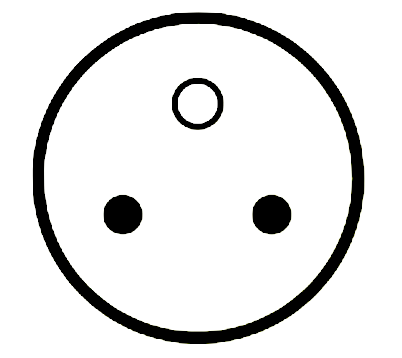 Type E
B. Practical Survival Notes
- Flights: Book into Paris Charles de Gaulle, Paris Orly, or Nice Côte d’Azur with extra connection time, because security checks and summer disruption can lengthen transfers. MODERATE risk of missed onward travel.
- Airport Transfers: Use licensed airport taxis, rail links, or pre-booked private transfers from the terminal rank, and avoid accepting unsolicited rides in arrivals halls. MODERATE risk of overcharging or theft.
- Car Hire: Choose a reputable rental firm, photograph the vehicle at pick-up and return, and confirm motorway toll payment terms before departure. MODERATE risk of disputed damage claims.
- Accommodation: Stay in properties with 24-hour reception, secure entry, and in-room safes, and split cash and cards between separate locked places. MODERATE risk of opportunistic theft.
- Attractions & Tours: Pre-book museum entry, major monuments, and guided day trips, then verify the operator name against the confirmation before travelling. MODERATE risk of counterfeit tickets or wasted time.
- Evacuation Routes: Identify the nearest railway station, motorway exit, and regional airport from your hotel before arrival so you can leave quickly if wildfires, transport strikes, or heat closures affect the area. MODERATE risk of delayed evacuation.
- Shelter-in-Place: If smoke, severe heat, or protest disruption closes movement routes, remain indoors in a hotel with air conditioning, sealed windows, and backup power rather than trying to cross the city. MODERATE risk of heat illness or exposure.
- Emergency Kit: Carry water, basic medication, a portable charger, a paper copy of your passport, and a small amount of cash for short-notice disruption. MODERATE risk of being stranded without essentials.
- Document Security: Keep your passport, insurance details, booking references, and emergency contacts in separate digital and paper copies, and store the originals in a secure location. MODERATE risk of loss or identity misuse.
- Alert Channels: Monitor official French prefecture notices, the national weather service, airport alerts, and your embassy’s travel updates each day, especially during summer wildfire periods. MODERATE risk of being caught by sudden closures.
C. Cultural Red Lines
- Identity Checks: Carry your passport or a secure copy when asked by police, because refusal or aggressive argument can escalate a routine check into a fine or detention. MODERATE risk of police sanctions.
- Monument Photography: Do not photograph security staff, checkpoints, or restricted infrastructure at airports, rail hubs, ports, or government buildings, because officers may stop you, delete images, or issue penalties. MODERATE risk of questioning or confiscation.
- Religious Spaces: Dress modestly and speak quietly inside churches, cathedrals, mosques, and memorial sites, because disruptive conduct can bring removal and severe social backlash. LOW risk of ejection.
- Public Conduct: Keep queue discipline, avoid loud phone calls on public transport, and do not push into service lines, because French public etiquette strongly favours order and restraint. LOW risk of social rejection.
- Alcohol Use: Drink only in licensed venues and respect local opening hours and venue rules, because public intoxication or disorderly behaviour can trigger police intervention. MODERATE risk of fines or arrest.
- Drugs: Do not possess, buy, or use narcotics, including cannabis, because enforcement can lead to arrest, prosecution, and deportation. HIGH risk of detention.
- Political Speech: Avoid insulting the Republic, the President, police, or local authorities in confrontational public settings, because hostile exchanges can quickly attract police attention and social hostility. MODERATE risk of fines or detention.
- LGBTQ+ Respect: Public discrimination, mocking language, or harassment on grounds of sexuality or gender can produce immediate police involvement and civil consequences. MODERATE risk of fines or arrest.
- Hate Speech: Do not post or repeat racist, antisemitic, Islamophobic, or extremist content in public or online while in France, because hate speech laws can carry criminal consequences. HIGH risk of prosecution.
- Dress and Exposure: Reserve beachwear for beaches and pool areas, and avoid entering shops, restaurants, or municipal buildings shirtless or in swimwear. LOW risk of refusal of service.
D. Connectivity
Primary Carriers
- Top Pick: Orange France gives strong national coverage and reliable urban performance in Paris, Lyon, Marseille, Lille, Bordeaux, and Nice.
- Budget Pick: SFR and Bouygues Telecom usually offer competitive prepaid data options for short stays and city use.
- Coverage Note: France delivers solid 4G and broad 5G in major urban corridors, while mountain areas, rural departments, and some coastal or forest zones can lose signal.
eSIM Readiness
- Status: Most major French carriers and global travel eSIM providers support instant activation for short visits.
- Action: Buy an eSIM before departure if you need immediate data on arrival at Charles de Gaulle, Orly, or Nice.
- Registration: French prepaid SIM buyers usually need identity registration, so keep your passport ready at purchase.
Essential Apps
- Transport: Use SNCF Connect for rail tickets, Île-de-France Mobilités for Paris transit, and Citymapper for multimodal routing.
- Communication: Locals widely use WhatsApp, Signal, and standard SMS for day-to-day contact and booking updates.
- Payment: Retail terminals widely accept contactless Visa, Mastercard, Apple Pay, and Google Pay, while cash still helps in smaller towns and some markets.
Offline Map Guidance
- Action: Download offline maps for Paris, your arrival city, and any rural driving route before you travel.
- Navigation Tip: Save hotel addresses in French and pin your nearest station, hospital, and embassy or consulate point of contact.
Digital Restrictions & VPNs
- Banned Apps: France does not routinely ban major consumer messaging or transport apps for travellers.
- VPN Status: Travellers can use VPNs legally for privacy and secure remote work in normal circumstances.
- Recommendation: Use a trusted VPN on hotel and café Wi-Fi, and avoid sensitive logins on open networks without two-factor authentication.
Wi-Fi & Workspaces
- Availability: Airports, hotel chains, cafés, coworking spaces, and many railway stations provide free or paid Wi-Fi in major cities.
- Security: Public Wi-Fi often lacks strong protection, so use mobile data or a VPN for banking, corporate email, and passport scans.
E. Potential Scams
- Nightlife Tabs: In Paris districts such as Pigalle, Bastille, and parts of the Champs-Élysées, some venues add inflated cover charges or surprise charges for drinks and seating. MODERATE risk of overpayment.
- Card Skimming: In busy tourist zones, kiosks, and unattended petrol stations, criminals may copy card details or distract you during contactless payment. MODERATE risk of financial fraud.
- Taxi Metering: Unscrupulous drivers around airports and major stations can take indirect routes or invent luggage surcharges, especially when passengers arrive late at night. MODERATE risk of inflated fares.
- Ticket Resale: Near the Eiffel Tower, Louvre, Versailles, and major rail hubs, fake tour sellers and resale agents may offer invalid entry passes or “last-minute” upgrades. MODERATE risk of wasted money.
- Train Station Cons: At Paris Gare du Nord, Gare de l’Est, and other high-footfall stations, distraction theft can pair with offers of “help” carrying luggage or buying tickets. MODERATE risk of pickpocketing.
- Street Petitioning: In central Paris and around major landmarks, fake petition or donation collectors may pressure visitors to sign forms and then demand money. MODERATE risk of theft or coercion.
- Online Booking Fraud: On rental platforms and informal social media listings, scammers may advertise non-existent apartments or demand deposits outside the official payment system. MODERATE risk of data theft or lost deposits.
- Phone and Text Scams: Messages that impersonate banks, delivery firms, or the tax service can push visitors to reveal card numbers, one-time codes, or passport images. MODERATE risk of identity fraud.
F. Things To Watch Out For
- Wildfire Season: Southern France, Corsica, and forested Mediterranean areas can face rapid summer fire spread, smoke, road closures, and evacuation orders. HIGH risk of transport disruption.
- Extreme Heat: Heatwaves can strain older buildings, public transport, outdoor queues, and sightseeing schedules, especially in Paris and the south. MODERATE risk of heat illness.
- Urban Protest Flare-ups: Major cities can see sudden demonstrations, transport interruptions, and police cordons around central districts and government sites. MODERATE risk of delayed movement.
- Terrorism Vigilance: Crowded transport hubs, tourist landmarks, and entertainment districts remain sensitive locations for security alerts and visible policing. HIGH risk of disruption.
- Rail and Airport Delays: Strikes, staffing shortages, and weather incidents can interrupt SNCF services and airport schedules with limited warning. MODERATE risk of missed connections.
- Flooding and Storm Runoff: Heavy rain can flood low-lying streets, underpasses, and underground stations in several regions, including Paris and river-adjacent towns. MODERATE risk of localised disruption.
- Crowd Pressure: Peak-season sites such as the Louvre, Mont-Saint-Michel, Disneyland Paris, and Riviera resorts can become congested enough to slow evacuation and worsen theft exposure. MODERATE risk of crowd-related incidents.
- Infrastructure Outages: Power cuts, telecom congestion, and temporary service closures can affect smaller towns and fire-impacted areas more sharply than large cities. LOW risk of limited communications failure.
G. Dos
- Local Phrases: Learn basic French greetings, thanks, and apology forms before arrival, because polite opening words improve service interactions and reduce friction. LOW risk of social awkwardness.
- Transport Planning: Use rail and metro systems with booked tickets and validated passes, and allow buffer time for city transfers and station security checks. LOW risk of missed connections.
- Travel Insurance: Buy comprehensive cover that includes medical treatment, cancellation, baggage, and wildfire or transport disruption before you depart. MODERATE risk of unrecovered losses.
- Identity Carrying: Keep a passport copy and proof of lodging with you when moving around cities, particularly at night or when using long-distance transport. LOW risk of delays during checks.
- Alert Monitoring: Check official weather, wildfire, transport, and prefecture notices daily, especially if you plan to visit the south, Corsica, or rural areas. MODERATE risk of exposure to changing conditions.
- Cash Backup: Carry some euros for taxis, market stalls, and small rural businesses, even though cards work in most urban settings. LOW risk of payment friction.
- Accommodation Choice: Pick hotels with air conditioning, strong Wi-Fi, secure entry, and 24-hour reception if you travel in summer or arrive late. MODERATE risk of inconvenience during disruption.
- Respectful Behaviour: Keep your voice low on trains, stand in orderly queues, and wait your turn in shops and cafés to align with common local expectations. LOW risk of poor reception.
H. Don'ts
- Loud Transport Behaviour: Do not shout, play audio aloud, or dominate phone calls on trains, metro services, or intercity coaches. LOW risk of social censure.
- Walking Meals: Do not eat full meals while walking through city centres, museums, or formal public spaces unless the setting clearly allows it. LOW risk of rudeness complaints.
- Street Solicitors: Do not stop for clipboard petitioners, unofficial guides, or charity collectors near landmarks and stations, because they often create distraction for theft. MODERATE risk of fraud.
- Sacred Spaces: Do not talk loudly, wear revealing clothes, or ignore signs inside churches, memorials, and religious monuments. LOW risk of removal.
- Protest Crowds: Do not join demonstrations, marches, or tense political gatherings as a spectator, because police cordons can close streets and create arrest risk. HIGH risk of detention.
- Bargaining Habits: Do not haggle aggressively in shops, taxis, or restaurants where fixed pricing applies, because it can damage relations and rarely improves the price. LOW risk of social friction.
- Phone Exposure: Do not leave your phone or wallet visible on café tables, train seats, or pavement terraces in busy districts. MODERATE risk of theft.
- Bathing Etiquette: Do not enter spa, sauna, or pool facilities without following posted hygiene and dress instructions, because operators can refuse entry and other guests may complain. LOW risk of denial of service.
I. Special Considerations
- Security Baseline: France combines strong institutions, visible policing in sensitive places, and a persistent elevated terrorism watch posture in major cities and tourist hubs. MODERATE risk of security disruption.
- Border and Immigration Scrutiny: Entry procedures now include mandatory biometric registration at external Schengen borders, with pre-authorisation increasingly required for visa-exempt travellers. MODERATE risk of longer processing times or denied boarding if pre-travel requirements are not met.
- Urban Density: Paris and other major cities concentrate crowds, transport nodes, and attractions into tight spaces that magnify delays, theft exposure, and response time. MODERATE risk of inconvenience and loss.
- Disaster Readiness: The country maintains strong emergency communications, but summer wildfire and heat conditions can still force rapid route changes in the south and on Corsica. MODERATE risk of sudden itinerary disruption.
- Healthcare Access: France offers high-quality healthcare in major centres, but travellers usually pay up front or settle charges first and claim back through insurance later. MODERATE risk of out-of-pocket expense.
- Punctuality Norms: Trains, bookings, and business appointments often run to schedule, so even small delays can quickly affect transfer chains and museum entry slots. LOW risk of missed reservations.
- Smoking Rules: France enforces no-smoking rules in many indoor public places and increasingly restricts smoking around transport and child-focused areas, so plan designated breaks carefully. LOW risk of fines.
- Tattoo Sensitivities: Tattoos usually pose no issue in normal public life, but some spas, pools, and leisure facilities apply their own entry rules that can require cover-up or refusal of access. LOW risk of access denial.
- Insurance and Rule of Law: France has reliable rule-of-law structures, but administrative processes, claims handling, and police reporting work best when you keep documentation, receipts, and official references. LOW risk of unresolved disputes.
- Healthcare Costs: Medical facilities expect you to pay out of pocket for non-urgent care. Consult your insurance provider before seeking treatment to understand coverage, co-pays, and reimbursement procedures. For emergencies, seek treatment first and contact your insurer immediately. HIGH risk of severe medical debt or delayed treatment.
- Travel Insurance Requirement: Purchase comprehensive travel insurance that includes emergency medical evacuation, repatriation, and trip cancellation. Verify your policy covers all planned activities and destinations. EXTREME risk of financial loss during a crisis.