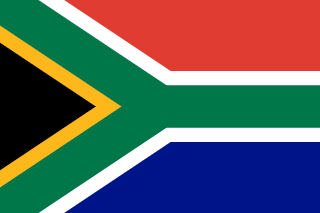


A. Key Information
Capital & Region
Cape Town (legislative), Pretoria
(administrative/executive) , Southern Africa
Emergency Numbers
Police: 110
Ambulance: 120
Fire: 119
General: 112
Ambulance: 120
Fire: 119
General: 112
Currency & Calling Code
South African Rand (ZAR) +27
Languages & Population
Zulu, Xhosa, Afrikaans, English, and others
, 62,027,503
Driving Side
Left
B. Practical Survival
Connectivity
Good mobile coverage in major cities.
SIM cards usually available on arrival.
SIM cards usually available on arrival.
Payments
Cards widely accepted in commercial hubs.
Cash still preferred in local markets.
Cash still preferred in local markets.
Power Adapters & Plugs
220V / 50Hz
 Type C
 Type D
 Type M
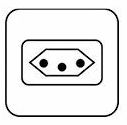 Type N
B. Practical Survival Notes
- Flights: Book direct arrivals into major gateways such as O. R. Tambo International, Cape Town International, or King Shaka International, and arrange a same-day onward transfer only if daylight arrival and accommodation confirmation already exist. HIGH risk of theft or delayed exposure if you land late and improvise transport.
- Airport Transfers: Use pre-booked hotel cars, licensed ride-hailing, or reputable chauffeur services collected from designated ranks inside the terminal, and verify the driver and vehicle before departure. HIGH risk of robbery, fare manipulation, or vehicle diversion if you accept unsolicited rides.
- Car Hire: Hire only from established firms, keep doors locked, avoid displaying phones or bags, and plan fuel and parking stops before leaving the city. HIGH risk of hijacking, opportunistic theft, or breakdown-related exposure on unfamiliar routes.
- Accommodation: Choose hotels with secure parking, controlled entry, backup power, and 24-hour reception in safer business or tourist districts rather than isolated inner-city locations. HIGH risk of burglary or movement restriction if you stay in poorly secured premises.
- Attractions & Tours: Use pre-arranged guided tours for townships, wildlife areas, wine routes, and city sightseeing, and confirm pickup points with the operator in advance. MODERATE risk of theft, getting stranded, or entering an unsafe area if you self-organise impulsively.
- Emergency Evacuation Routes: Identify the nearest major airport, police station, hospital, and main arterial roads from your hotel on arrival, and keep a second route in mind in case protests block the primary road. HIGH risk of delayed evacuation if you rely on one route or one transport provider.
- Shelter-in-Place Options: If unrest, flooding, or a security incident develops, remain inside a solid hotel or office building with controlled access, backup power, food, water, and charging capability until local conditions stabilise. HIGH risk of exposure or entanglement if you move during a fast-changing local disruption.
- Emergency Kit: Carry water, power bank, torch, cash in small notes, copies of your passport and visa, basic medication, and a paper list of emergency contacts. MODERATE risk of being stranded or unable to verify identity during outages or transport disruption.
- Document Security: Keep the original passport secure in your room safe or concealed pouch, and carry only certified copies unless a border, police, or check-in process requires the original. HIGH risk of loss, identity theft, or administrative delay if documents sit openly in bags or vehicles.
- Alert Channels: Monitor South African police notices, local news, your hotel reception, and embassy updates each day, especially before road travel, night movement, or long intercity drives. MODERATE risk of missing a changing protest, road closure, or weather disruption if you depend on informal advice.
C. Cultural Red Lines
- Inner-City Conduct: Avoid loud, confrontational behaviour in busy city centres and transport hubs, because aggressive public conduct can trigger police attention and social backlash. MODERATE risk of fines, detention, or escalation into a security incident.
- Political Speech: Do not post or repeat xenophobic, hate-filled, or intimidation-themed comments about local politics, protests, or foreign communities, especially on social media. HIGH risk of arrest, prosecution, or deportation if authorities treat the content as incitement.
- Public Drunkenness: Keep alcohol use restrained in nightlife districts and public spaces, because drunken disorder can attract police action and strong social disapproval. MODERATE risk of arrest, assault, or removal from venues.
- Photography Control: Ask before photographing people, police, security staff, informal settlements, checkpoints, or private property, and never film sensitive incidents for online posting without consent. HIGH risk of confrontation, confiscation, or criminal complaint.
- Religious Spaces: Dress modestly and follow local instructions in churches, mosques, temples, and heritage sites, and do not interrupt worship for selfies or jokes. MODERATE risk of ejection, fines at private venues, or severe social backlash.
- Public Affection: Keep overt physical affection discreet in conservative settings, rural communities, and religious spaces, where local norms may regard it as disrespectful. LOW risk of social embarrassment or venue refusal.
- Alcohol and Narcotics: Never buy or carry illegal drugs, and avoid accepting open drinks from strangers in bars or clubs. HIGH risk of arrest, drugging, theft, or serious personal harm.
- Dress in Townships and Rural Areas: Wear practical, low-profile clothing and avoid expensive display items when moving through unfamiliar local neighbourhoods, markets, or informal transport nodes. MODERATE risk of unwanted attention, theft, or social friction.
D. Connectivity
Primary Carriers
- Top Pick: Vodacom leads on broad national coverage and strong urban performance, including major cities and main road corridors.
- Budget Pick: MTN and Cell C both serve short-stay travellers well, while Telkom Mobile can suit lower-cost data use in populated areas.
- Coverage Note: Coverage stays strongest in metropolitan areas, tourist corridors, and major highways, while rural, mountain, and remote reserve zones can produce weak signal and patchy data.
eSIM Readiness
- Status: Major travel eSIM brands operate for South Africa, and many travellers can activate service before departure.
- Action: Install the eSIM before arrival, test activation on airport Wi-Fi, and keep a physical SIM option ready if your handset blocks eSIM profiles.
- Registration: South African SIM activation usually requires identity registration under local telecom rules, so carry passport details and buy from authorised outlets.
Essential Apps
- Transport: Uber and Bolt help with point-to-point urban travel, while Google Maps and local taxi-booking support route planning.
- Communication: WhatsApp remains the main messaging tool for hotels, guides, and many local contacts, and email still matters for formal confirmations.
- Payment: Visa and Mastercard work widely at formal merchants, while SnapScan and Zapper appear at some local card terminals and smaller businesses.
Offline Map Guidance
- Action: Download offline maps for Johannesburg, Cape Town, Durban, Pretoria, and your road route before you leave the airport.
- Navigation Tip: Pin your hotel, petrol stations, hospitals, and police stations in advance so you can move if live data drops or roads close.
Digital Restrictions & VPNs
- Banned Apps: South Africa does not maintain the broad social-media blocking seen in some restrictive markets.
- VPN Status: Travellers can generally use VPNs for privacy and work access.
- Recommendation: Use a reputable VPN on public Wi-Fi, but keep banking and identity checks on secure mobile data rather than open networks.
Wi-Fi & Workspaces
- Availability: Airports, major hotels, shopping centres, and many cafés provide free or password-protected Wi-Fi, with stronger options in business districts.
- Security: Use hotel or mobile data for banking, avoid automatic connection to open networks, and disable file-sharing on all devices.
E. Potential Scams
- Nightlife Bars: In central Johannesburg, Cape Town, Durban, and popular party districts, some venues inflate tabs, add hidden charges, or switch prices after entry. HIGH risk of overpayment, card misuse, or intimidation when you dispute the bill.
- Taxi Overcharging: At airports, intercity ranks, and tourist nodes, unlicensed drivers may quote inflated fares or take longer routes to raise the price. HIGH risk of financial loss or theft if you settle in cash without a fixed fare.
- Street Cash Swaps: Near shopping streets, transport hubs, and informal markets, criminals may distract you during change or card handling and replace notes or cards. MODERATE risk of short-change fraud or card compromise.
- Tour Resellers: Around major attractions, waterfronts, and CBD hotel zones, fake agents may sell invalid safari, township, or whale-watching tickets. MODERATE risk of losing money or missing the booked activity.
- Online Dating Meets: Dating-app arrangements in cities can lead to bar scams, pressured spending, or theft after meeting in nightlife areas. HIGH risk of robbery, drink spiking, or identity compromise.
- Phone Support Scams: Fraudsters may call or message foreign visitors posing as bank staff, courier staff, or accommodation managers to harvest card details or one-time codes. HIGH risk of account theft or unauthorised payments.
- Charity Approaches: At shopping precincts, tourist promenades, and traffic lights, unsolicited collectors may present fake donation stories or forged documentation. LOW risk of small cash loss, but repeated contact can escalate into pressure or diversion theft.
F. Things To Watch Out For
- Protest Activity: Sudden demonstrations, strikes, and road blockages can disrupt Johannesburg, Pretoria, Durban, and key commuting corridors, with little practical warning for visitors. HIGH risk of delayed movement or exposure to crowd unrest.
- Urban Crime Patterns: Inner-city areas of Johannesburg, Pretoria, Durban, and some Cape Town districts continue to carry elevated robbery and theft risk, especially after dark. HIGH risk of violent theft or vehicle-related crime.
- Road Conditions: Long-distance driving can expose travellers to night-time fatigue, poor lighting, livestock on roads, and opportunistic crime on isolated routes. HIGH risk of collision, breakdown exposure, or roadside robbery.
- Weather Shifts: Summer rainfall can cause flooding, slippery roads, and reduced visibility, while some regions also face seasonal storm disruption. MODERATE risk of transport delay or stranded travel.
- Coastal Water Safety: Unsupervised beaches, strong surf, and local warning flags matter on both the Atlantic and Indian Ocean coasts, especially outside guarded swimming zones. MODERATE risk of drowning or rescue delay.
- Health Geography: Malaria risk persists in parts of Mpumalanga, Limpopo, and KwaZulu-Natal, especially near Kruger-linked travel corridors during the rainy season. MODERATE risk of illness if travellers skip prophylaxis or mosquito protection.
- Utility Interruptions: Power cuts, lift outages, card-terminal downtime, and intermittent signal failures can affect hotels, malls, and road travel planning, particularly during local strain on infrastructure. MODERATE risk of missed bookings or cash-only situations.
G. Dos
- Learn Key Phrases: Use basic greetings in English and, where practical, simple local courtesy phrases when dealing with hotel staff, guides, and drivers. LOW risk of misunderstanding and avoidable friction if you communicate clearly.
- Carry ID Copies: Keep a paper copy and a secure digital copy of your passport, visa, and travel insurance while storing the originals separately. MODERATE risk of administrative delay if police, airlines, or hotels request identity checks.
- Use Trusted Transport: Pre-book reputable airport transfers and use licensed ride-hailing or hotel-arranged cars for city movement. HIGH risk of theft or route manipulation if you improvise transport on arrival.
- Plan Daylight Movement: Schedule intercity driving, sightseeing, and shopping for daylight hours, and leave evening movement to well-secured areas only. HIGH risk of carjacking, burglary, or getting lost after dark if you travel casually.
- Buy Strong Insurance: Choose travel insurance that covers medical treatment, road incidents, theft, cancellation, and possible evacuation from remote areas. HIGH risk of large out-of-pocket costs if an incident interrupts the trip.
- Use Alert Services: Register with your embassy’s traveller notifications and check local news before every long drive, beach visit, or nightlife outing. MODERATE risk of entering a blocked or unstable area if you rely on stale advice.
- Prepare for Load Shedding: Carry a power bank, torch, and offline bookings so you can cope with sudden power interruptions and connectivity gaps. MODERATE risk of missed transfers, stranded phones, or access problems if electricity drops.
- Respect Queue Order: Join queues neatly at airports, ticket offices, and shuttle pickups, and wait your turn rather than pushing forward. LOW risk of social friction or refusal of service if you ignore local order.
H. Don'ts
- Do Not Walk Off Airport Ranks: Do not leave the terminal with unsolicited drivers or people who promise cheaper fares in the car park. HIGH risk of robbery, overcharging, or disappearance of luggage.
- Do Not Drive at Night on Unknown Routes: Do not attempt long rural or unfamiliar road journeys after dark unless you have a clear, trusted reason and secure arrangements. HIGH risk of hijacking, breakdown exposure, or collision.
- Do Not Display Valuables: Do not carry phones, jewellery, laptops, or wallets in open view in streets, fuel stations, or queue lines. HIGH risk of snatch theft or violent robbery.
- Do Not Film Sensitive Scenes: Do not record police activity, protests, security incidents, or private homes without permission. HIGH risk of confrontation, confiscation, or legal complaint.
- Do Not Enter Township Areas Alone: Do not self-navigate informal settlements or unfamiliar inner-city shortcuts without a qualified local guide or driver. HIGH risk of getting lost, robbed, or entering a volatile area.
- Do Not Accept Open Drinks: Do not drink anything you did not watch being prepared and served directly to you. HIGH risk of spiking, theft, or assault after intoxication.
- Do Not Ignore Warning Signs: Do not bypass beach safety flags, road closures, flood warnings, or venue security instructions. HIGH risk of injury, drowning, arrest, or rescue delay.
- Do Not Join Street Arguments: Do not engage with touts, aggressive solicitors, or political arguments in transport hubs and nightlife zones. MODERATE risk of escalation, distraction theft, or police involvement.
I. Special Considerations
- Urban Density: Major cities combine large commuter flows, complex road systems, and uneven neighbourhood safety, so traveller experience changes sharply over short distances. HIGH risk of exposure if you assume all districts carry the same level of safety.
- Public Health Access: Private hospitals in major centres offer good care, but clinics and emergency treatment can require upfront payment or proof of insurance. MODERATE risk of significant out-of-pocket expense if you arrive uninsured.
- Rule of Law Reality: South Africa has formal institutions and generally clear legal processes, but response times, case follow-up, and local enforcement can vary by area and time of day. MODERATE risk of delay or inconsistent support after an incident.
- Punctuality Expectations: Business meetings, airport pick-ups, and guided services often run to schedule in formal settings, so late arrival can create practical and social problems. LOW risk of missed transfers or reduced service quality if you treat timing casually.
- Smoking Controls: Smoking restrictions apply in indoor public places and many hospitality settings, so check designated areas before lighting up. LOW risk of fines or venue refusal if you smoke in the wrong place.
- Tattoo Sensitivity: Most South African settings do not impose broad tattoo bans, but some conservative venues, churches, and workplaces may still judge visible body art negatively. LOW risk of social discomfort or restricted entry in specific settings.
- Cash Versus Card Use: Card use works broadly in formal retail, but small traders, tolls, rural stops, and some service providers still prefer cash. MODERATE risk of inconvenience or overreliance on a single payment method if you carry no rand.
- No Exit Visa Barrier: South Africa does not use an employer-controlled exit visa system for ordinary tourists, so the main departure risk comes from missed flights, document problems, or unpaid local charges. LOW risk of departure delay if you keep your paperwork and payments in order.
- Healthcare Costs: Medical facilities expect you to pay out of pocket for non-urgent care. Consult your insurance provider before seeking treatment to understand coverage, co-pays, and reimbursement procedures. For emergencies, seek treatment first and contact your insurer immediately. HIGH risk of severe medical debt or delayed treatment.
- Travel Insurance Requirement: Purchase comprehensive travel insurance that includes emergency medical evacuation, repatriation, and trip cancellation. Verify your policy covers all planned activities and destinations. EXTREME risk of financial loss during a crisis.