


A. Key Information
Capital & Region
Riyadh , Middle
East
Emergency Numbers
Police: 110
Ambulance: 120
Fire: 119
General: 112
Ambulance: 120
Fire: 119
General: 112
Currency & Calling Code
Saudi Riyal (SAR) +966
Languages & Population
Arabic (official); English widely used in business and
tourism , Approximately 35.0 million
Driving Side
Right
B. Practical Survival
Connectivity
Good mobile coverage in major cities.
SIM cards usually available on arrival.
SIM cards usually available on arrival.
Payments
Cards widely accepted in commercial hubs.
Cash still preferred in local markets.
Cash still preferred in local markets.
Power Adapters & Plugs
220V / 50Hz
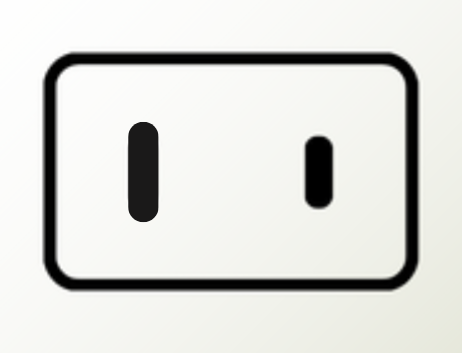 Type A
 Type B
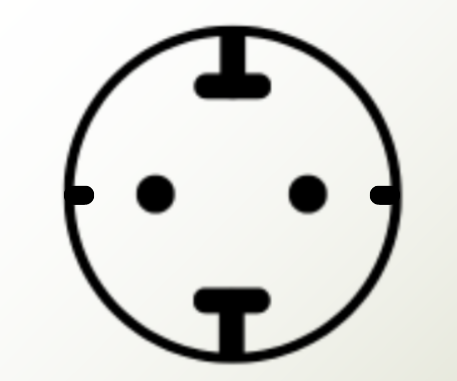 Type F
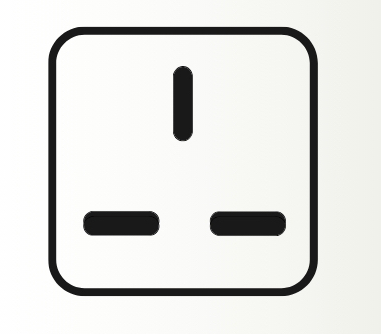 Type G
B. Practical Survival Notes
- Flights: Book flights into major hubs such as Riyadh (RUH) or Jeddah (JED) and avoid routings through Abha International Airport (AHB) and other southern airports when possible due to recent missile and drone activity and disruption. HIGH risk of sudden flight cancellations, diversions, and extended delays.
- Airport Transfers: Arrange pre-booked, vetted transfers from airports through reputable hotel car services or licensed operators, avoiding informal taxis and lingering outside terminal security perimeters, especially in Abha, Jazan, Najran, and Asir. HIGH risk of exposure to security incidents or opportunistic crime during ground movements.
- Car Hire: Use established international or major local car hire firms, insist on fully insured vehicles, and avoid self-driving in southern border provinces near Yemen or restricted zones near the Iraqi border, instead relying on local drivers who know checkpoints and high-risk routes. HIGH risk of accidental entry into restricted areas or encountering security checkpoints with potential detention.
- Accommodation: Select well-known hotels or serviced apartments in central, monitored districts of Riyadh, Jeddah, and Dammam that provide security screening, emergency procedures, and secure transport coordination, and avoid properties close to military installations or critical energy infrastructure. HIGH risk of being caught in security operations or targeted disruptions around sensitive sites.
- Attractions & Tours: Prioritise organised, licensed tours in areas like AlUla, Jeddah's historic district, and Riyadh's cultural sites, and avoid excursions near the Yemen border, military zones, or remote desert areas without robust local support and satellite communications. HIGH risk of becoming stranded or encountering restricted zones and questioning by authorities.
- Emergency Evacuation Routes: Map at least two exit options from each city, including alternative airports and overland routes, and keep printed and digital copies of embassy contacts and airline offices to support rapid departure if regional tensions or missile attacks escalate. HIGH risk of being unable to leave quickly during airspace closures or widespread flight disruption.
- Shelter-in-Place Planning: Identify internal rooms or basement areas in your accommodation that offer better protection from blast and debris, confirm hotel emergency protocols, and keep water, snacks, a torch, and a power bank ready for short-notice shelter-in-place during missile or drone alerts. HIGH risk of injury or distress if you remain exposed outdoors during attacks.
- Emergency Kits & Medical Prep: Carry a compact emergency kit including basic medications, first-aid supplies, a copy of prescriptions, and a list of nearby hospitals with their emergency departments for each city you visit. MODERATE risk of delayed medical care or complications if you face injury or acute illness.
- Document Security: Store passports, visas, and key documents in hotel safes or concealed pouches, keep high-quality digital copies in encrypted storage, and carry only necessary identification for daily movements. MODERATE risk of immigration complications, fines, or inability to evacuate if documents are lost or stolen.
- Monitoring Official Alerts: Regularly check official foreign office advisories, local civil defence channels, and embassy alerts, and enable notifications from your airline and airport apps to track missile or drone incidents and any resulting flight or curfew changes. HIGH risk of missing critical warning windows that affect personal safety and travel continuity.
C. Cultural Red Lines
- Criticism of Monarchy and Government: Avoid any public or online criticism of the King, Crown Prince, royal family, or senior officials, including jokes and memes, as such content can breach strict laws on loyalty and state security. HIGH risk of arrest, prosecution, and deportation.
- Religious Offence and Blasphemy: Do not make negative remarks about Islam, Islamic practices, the Prophet, or religious authorities, and avoid proselytising other religions in public or distributing religious materials without permission. HIGH risk of arrest, imprisonment, and deportation.
- Ramadan and Religious Observance: Refrain from eating, drinking, or smoking in public during daylight hours in Ramadan and avoid loud behaviour near mosques or religious gatherings at any time of year. MODERATE risk of fines, detention, and strong social backlash.
- Alcohol and Narcotics: Never attempt to purchase, possess, or consume alcohol or illegal drugs, and avoid carrying medication without prescriptions or with ingredients restricted locally, particularly at border controls and checkpoints. HIGH risk of long prison sentences, heavy fines, and deportation.
- Dress Codes and Modesty: Dress conservatively in public spaces, covering shoulders and knees and avoiding overtly tight or revealing clothing, while women should assess current local norms and any venue-specific requirements such as abaya use. MODERATE risk of ejection from venues, police questioning, or social hostility.
- Photography of Sensitive Sites: Do not take photographs or videos of military facilities, government buildings, border posts, security staff, or certain energy infrastructure, even incidentally, and avoid filming security procedures at airports. HIGH risk of arrest, equipment confiscation, and interrogation.
- Public Displays of Affection and Relationships: Avoid kissing, embracing, or overt romantic behaviour in public, and do not discuss or signal LGBTQ+ identity openly due to conservative laws and social norms. HIGH risk of detention, legal charges, and severe social backlash.
- Social Media Content and Online Speech: Refrain from posting or sharing material that authorities may view as insulting to religion, leadership, or national symbols, and avoid engaging in political debates about regional conflicts while in-country or on local networks. HIGH risk of investigation, arrest, and digital monitoring.
- Gatherings and Political Discussion: Do not organise or join public protests, political meetings, or demonstrations, and avoid expressing strong views on Saudi internal politics or regional conflicts in mixed company. HIGH risk of detention, deportation, and long-term entry bans.
D. Connectivity
Primary Carriers
- Top Pick: Choose STC for primary mobile service, as it provides strong coverage in major cities like Riyadh, Jeddah, and Dammam and robust data speeds suitable for business travel.
- Budget Pick: Select Mobily or Zain for more cost-effective plans if you mainly operate in urban areas and require reasonable data without premium pricing.
- Coverage Note: Expect weaker or more intermittent coverage in remote desert regions and conflict-affected southern border areas near Yemen and around some restricted zones near Iraq.
eSIM Readiness
- Status: Confirm that your device supports eSIM and note that leading Saudi carriers offer eSIM plans in flagship stores and via official apps in major cities.
- Action: Purchase and activate eSIMs through carrier apps or authorised retailers upon arrival, and avoid unofficial QR codes or resellers that could lead to fraud or deactivation.
- Registration: Present your passport and local contact details when you register SIM or eSIM services, as authorities require identity verification under national telecom regulations.
Essential Apps
- Transport: Use Careem, Uber, local taxi apps, and government transport portals to book rides and check public transport timelines, especially in Riyadh and Jeddah.
- Communication: Rely on WhatsApp, Telegram, and traditional voice calls for messaging and voice, and keep email access available for official and emergency correspondence.
- Payment: Pay with Mada (local debit), Apple Pay, Google Pay, and major card apps in malls, hotels, and many restaurants, and keep cash for small vendors that do not yet accept digital payments.
Offline Map Guidance
- Action: Download offline maps for key cities and routes on platforms like Google Maps or specialised navigation apps before you travel or when you have strong Wi-Fi.
- Navigation Tip: Mark your accommodation, embassy, nearest hospital, and key meeting locations as favourites, and cross-check desert or rural routes with local contacts due to occasional mapping inaccuracies.
Digital Restrictions & VPNs
- Banned Apps: Expect some calling features on VoIP apps to fail or disconnect, and anticipate that authorities restrict access to certain content platforms and websites for religious or security reasons.
- VPN Status: Treat VPN use cautiously, as unapproved VPNs may breach local rules and create scrutiny if you use them to bypass state content controls.
- Recommendation: Limit VPN use to reputable services for basic privacy, avoid accessing sensitive political or social content while connected from Saudi networks, and follow your corporate compliance guidance.
Wi-Fi & Workspaces
- Availability: Use Wi-Fi in major hotels, airports, cafés, and co-working spaces, which frequently provide reliable connections suitable for remote work and conferencing.
- Security: Enable device encryption and a corporate VPN where permitted, avoid conducting sensitive financial or strategic transactions on open networks, and rotate passwords if you work extensively on public Wi-Fi.
E. Potential Scams
- Airport Porter and Taxi Overcharging: At busy airports such as Riyadh, Jeddah, and Dammam, some porters and unlicensed taxi drivers may quote inflated prices or add unofficial surcharges once luggage is loaded. MODERATE risk of financial loss through overpayment.
- Fake Tour Operators in Historic Districts: In tourist areas like Jeddah's Al-Balad or parts of AlUla, unregistered guides may sell unofficial tours that cut corners on safety or fail to deliver promised access. MODERATE risk of financial loss and disrupted itinerary.
- Currency Exchange and 'Drop and Swap' Tricks: Around hotels and malls, informal exchangers may offer attractive rates and then switch notes or miscount cash during the handover. MODERATE risk of cash loss and inability to recover funds.
- Online Accommodation Impersonation: Fraudsters may create fake listings or impersonate legitimate Riyadh or Jeddah properties on booking platforms and messaging apps, then demand advance payment via bank transfer. HIGH risk of significant financial loss and arriving without a valid booking.
- Social Media and Messaging Investment Pitches: Travellers who share local contact details may receive unsolicited investment or business offers via WhatsApp or social platforms promising rapid returns linked to local projects. HIGH risk of substantial financial loss and exposure of personal data.
- Unlicensed Desert Excursions: In outskirts of Riyadh or near popular dune areas, informal operators may offer cheap desert trips without proper vehicles, insurance, or safety equipment. HIGH risk of injury, medical costs, and stranded situations.
- Nightlife and Private Gathering Costs: At high-end venues or private gatherings in major cities, intermediaries may inflate access or service fees for foreign guests beyond agreed amounts, especially when alcohol or restricted entertainment is implied. MODERATE risk of unexpected high charges and potential legal complications.
- SIM Card and Data Package Mis-selling: Some small kiosks near transport hubs may sell overpriced SIMs or claim tourist bundles that are far more expensive than official carrier offers. LOW risk of minor financial loss through unnecessary spending.
- Charity Collection and Donation Pressure: In certain market or mosque-adjacent areas, individuals may solicit donations for poorly documented causes and apply social pressure on foreign visitors. LOW risk of modest financial loss and unintended support of dubious organisations.
F. Things To Watch Out For
- Missile and Drone Attacks on Southern Airports: Houthi forces launched a major missile and drone attack on Abha International Airport in mid-July 2026 in retaliation for Saudi strikes on Sanaa airport, marking the sharpest escalation between the two sides in years and breaking a prior ceasefire. HIGH risk of sudden flight cancellations, airport closures, and potential collateral harm from falling debris.
- Direct Iranian Strikes on Energy Infrastructure: Iran has moved beyond backing Houthi proxy attacks and directly targeted Saudi oil industry infrastructure with drone strikes as of late July 2026, signalling a deepening of the conflict that draws Saudi Arabia further into the wider regional war it has tried to avoid. HIGH risk of sudden airspace restrictions, energy infrastructure disruption, and broader security lockdowns.
- Cross-Border Fire near Yemen: Border regions in Jazan, Najran, and Asir provinces face ongoing risks from cross-border fire, shelling, and sporadic clashes linked to the Yemen conflict, with Houthi forces having publicly warned airlines to avoid Saudi airspace. HIGH risk of serious injury or death and stranded travel if you enter these zones.
- Terrorism and Targeted Attacks: Authorities continue to warn about the threat of terrorism against local and foreign interests, including potential attacks on public gatherings, religious sites, and government-related venues. HIGH risk of injury or death in the event of an attack.
- Security Checkpoints and Restricted Zones: Travellers may encounter frequent checkpoints near borders, around energy facilities, and close to military areas, where authorities rigorously enforce access rules. MODERATE risk of detention, questioning, and vehicle searches if you approach sensitive zones.
- Heat, Sun Exposure, and Desert Conditions: Extreme heat and dry conditions, especially in summer and desert regions, can quickly lead to dehydration and heat-related illness for unprepared travellers. MODERATE risk of medical emergencies and performance degradation.
- Infrastructure Strain during Peak Periods: During Hajj and major holidays, airports, roads, and accommodation in cities like Jeddah and Mecca experience intense congestion and strain. MODERATE risk of long delays, missed connections, and reduced service reliability.
- Language Barriers Outside Major Cities: English remains less common in rural areas and among some frontline staff, complicating emergency communication or navigation. LOW risk of misunderstanding instructions and slower response during incidents.
- Financial System and Cash Handling Quirks: While cards and digital payments are widely used, smaller shops and older districts may rely more on cash, and foreign cards can sometimes fail without warning. LOW risk of minor disruption and missed purchases if you lack cash backup.
G. Dos
- Do Register with Your Embassy: Register your presence and itinerary with your embassy or consular service and keep emergency numbers handy for rapid support during missile alerts or sudden security changes. HIGH risk of delayed assistance and difficulty coordinating evacuation without prior registration.
- Do Purchase Comprehensive Insurance: Buy robust travel and medical insurance that explicitly covers terrorism, missile-related incidents, evacuation, and flight disruption within Saudi Arabia and the wider region. HIGH risk of substantial financial loss and inadequate medical care during a serious incident.
- Do Plan Conservative Routing: Structure travel around Riyadh, Jeddah, and other relatively stable hubs, avoiding border provinces near Yemen and restricted zones near Iraq, and build in flexible buffers for flights and meetings. HIGH risk of major itinerary disruption and exposure to higher threat corridors if you plan aggressive routing.
- Do Monitor Multiple Advisory Sources: Follow your home government advisories, local civil defence alerts, and airport updates concurrently, and adjust plans promptly when new warnings mention airports like Abha or specific regions. HIGH risk of operating in deteriorating conditions if you rely on outdated information.
- Do Learn Basic Arabic Phrases: Learn simple greetings, directions, and emergency phrases in Arabic to improve interactions with security staff, drivers, and local contacts, particularly outside main business districts. MODERATE risk of miscommunication and tension in stressful situations without minimal language skills.
- Do Respect Local Customs and Religious Practices: Observe modest behaviour near mosques, dress conservatively, and adapt schedules around prayer times and Ramadan norms to build goodwill and reduce unwanted attention. MODERATE risk of social friction and complaints if you appear disrespectful or oblivious.
- Do Carry Identification Daily: Keep a copy of your passport and visa, or an official ID card, readily available when moving around cities so you can respond quickly to any police or checkpoint request. MODERATE risk of short-term detention or fines if you cannot prove identity.
- Do Use Reputable Transport and Tours: Book cars and tours through recognised companies or your hotel concierge, especially for AlUla, desert excursions, and intercity travel, and avoid unverified operators. MODERATE risk of vehicle breakdowns, safety lapses, and cancellations with informal providers.
- Do Download Offline Maps and Key Contacts: Save offline navigation for main cities and store embassy, hospital, and hotel contact numbers both on your phone and in printed form. LOW risk of becoming disoriented or unable to reach assistance if networks fail.
H. Don'ts
- Do Not Travel near the Yemen Border: Do not plan trips within advisory exclusion zones near the Yemen border, including significant parts of Jazan, Najran, and Asir provinces, due to cross-border fire and missile threats. HIGH risk of severe injury, death, and loss of consular support.
- Do Not Ignore Missile or Security Alerts: Do not continue normal activities if local alerts mention drone or missile activity or if authorities instruct people to seek shelter, especially near southern airports. HIGH risk of injury from blast, debris, or panic movements.
- Do Not Join Protests or Political Gatherings: Do not attend demonstrations, marches, or public assemblies linked to regional conflicts, labour issues, or political causes, even as an observer. HIGH risk of arrest, legal charges, and deportation.
- Do Not Photograph Security Assets: Do not take pictures of police, military, checkpoints, or sensitive infrastructure, regardless of artistic or documentary intent. HIGH risk of equipment confiscation, interrogation, and detention.
- Do Not Rely on Informal Transport in High-Risk Areas: Do not use unlicensed taxis or informal lifts in southern cities or near restricted zones where checkpoints and documentation checks are common. MODERATE risk of overcharging, harassment, and entanglement in local investigations.
- Do Not Publicly Challenge Local Norms: Do not argue loudly with officials, security staff, or religious figures about dress, behaviour, or rules, and avoid confrontational debates about religion or politics. MODERATE risk of escalation to police involvement and fines.
- Do Not Ignore Heat and Hydration Risks: Do not underestimate high temperatures, particularly in midday outdoor work or desert travel, and avoid long exposures without shade, water, and appropriate clothing. MODERATE risk of heatstroke, dehydration, and diminished judgement.
- Do Not Share Sensitive Opinions Online While In-Country: Do not post location-tagged criticism or controversial views about Saudi policies or regional conflicts on social media during your stay. HIGH risk of digital monitoring, summons, and legal sanctions.
- Do Not Use Unauthorised Drones or Cameras: Do not fly drones or use advanced camera equipment near airports, border areas, or government sites without explicit permits. HIGH risk of arrest, equipment seizure, and prosecution.
I. Special Considerations
- Strict Legal Environment: Saudi Arabia enforces stringent laws on speech, religion, and public behaviour, with broad definitions of offences related to state security and morality. HIGH risk of serious legal consequences and long-term travel bans for breaches.
- Complex Regional Security Dynamics: The country sits at the centre of a widening regional war involving direct Iranian strikes and sustained Houthi attacks tied to the Yemen conflict, which can quickly shift the threat landscape for travellers. HIGH risk of sudden travel advisories, flight changes, and operational disruption.
- Evolving Social and Economic Reforms: Ongoing reforms under national development programmes change entertainment, gender interaction, and public space norms, but enforcement remains uneven between cities and conservative areas. MODERATE risk of confusion over rules and inconsistent treatment across regions.
- Healthcare Access and Payment Expectations: Major cities offer good private healthcare, but foreign nationals typically pay upfront or rely on insurance guarantees, while smaller centres have more limited facilities. MODERATE risk of high out-of-pocket costs and delayed advanced care without adequate coverage.
- Employer and Sponsor Influence on Mobility: Expatriate workers and some long-stay visitors may remain subject to sponsorship conditions that affect job changes and exit procedures, despite reforms. MODERATE risk of constrained movement and bureaucratic delays when altering plans.
- Civil Defence and Alert Systems: Authorities maintain security and civil defence systems that can issue instructions during emergencies, and compliance with these directives remains important for safety. HIGH risk of harm or legal issues if travellers disregard official guidance.
- Crowding and Event-Driven Pressure on Infrastructure: Large religious events and major sports or entertainment gatherings can sharply increase crowding in cities like Mecca, Medina, and Riyadh, straining transport and accommodation. MODERATE risk of logistical bottlenecks and heightened exposure to security incidents in crowded settings.
- Digital Monitoring and Data Sensitivities: Security agencies closely monitor online spaces for content deemed offensive or destabilising, including posts by foreigners on local networks. HIGH risk of investigation and sanctions if travellers share sensitive material or misuse digital platforms.
- Climate and Long-Term Environmental Stress: Rising temperatures and periodic dust or sandstorms shape daily life and can affect visibility, air quality, and outdoor work conditions. LOW risk of respiratory and heat-related health impacts for short-term visitors if they do not take basic protective measures.
- Healthcare Costs: Medical facilities expect you to pay out of pocket for non-urgent care. Consult your insurance provider before seeking treatment to understand coverage, co-pays, and reimbursement procedures. For emergencies, seek treatment first and contact your insurer immediately. HIGH risk of severe medical debt or delayed treatment.
- Travel Insurance Requirement: Purchase comprehensive travel insurance that includes emergency medical evacuation, repatriation, and trip cancellation. Verify your policy covers all planned activities and destinations. EXTREME risk of financial loss during a crisis.