


A. Key Information
Capital & Region
Berlin , Europe
Emergency Numbers
Police: 110
Ambulance: 120
Fire: 119
General: 112
Ambulance: 120
Fire: 119
General: 112
Currency & Calling Code
Euro (EUR) +49
Languages & Population
German , Approximately
83.5 million
Driving Side
Right
B. Practical Survival
Connectivity
Good mobile coverage in major cities.
SIM cards usually available on arrival.
SIM cards usually available on arrival.
Payments
Cards widely accepted in commercial hubs.
Cash still preferred in local markets.
Cash still preferred in local markets.
Power Adapters & Plugs
220V / 50Hz
 Type C
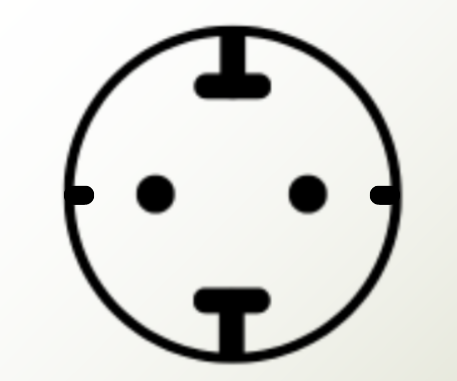 Type F
B. Practical Survival Notes
- Flights: Book flights through major hubs such as Frankfurt Airport (FRA), Munich (MUC) and Berlin Brandenburg (BER), preferring reputable airlines with flexible change policies to manage potential disruption or heightened security screening. LOW risk of missed connections or extended delays.
- Airport Transfers: Arrange airport transfers using licensed taxis, hotel shuttles, or pre-booked ride-hailing services, and confirm pick‑up locations at designated zones to avoid unregulated drivers around terminals. LOW risk of overcharging or minor harassment.
- Car Hire: Reserve hire cars in advance from established firms at major airports or city locations, and opt for full insurance cover while familiarising yourself with German road rules and Autobahn speed practices. MODERATE risk of costly liability or accidents.
- Accommodation: Choose accommodation in central, well‑connected districts (e.g. Berlin Mitte, Munich Altstadt, Frankfurt Innenstadt) and verify security measures such as staffed reception and secure access to floors. LOW risk of theft or personal security incidents.
- Attractions & Tours: Use vetted tour operators and official ticket sellers for visits to sites like the Reichstag, Neuschwanstein Castle, memorials and museums, and avoid last‑minute street offers that lack clear company details. MODERATE risk of financial loss or substandard services.
- Emergency Evacuation Routes: Identify multiple exit routes from your hotel and workplace, and note nearby major transport nodes (e.g. Berlin Hauptbahnhof, Munich Hauptbahnhof) for rapid evacuation if authorities issue warnings. LOW risk of entrapment during localised incidents.
- Shelter‑in‑Place Options: Confirm safe indoor locations within your accommodation or office, including interior rooms away from glass and large crowds, for short‑term shelter‑in‑place if instructed by police or emergency services. LOW risk of injury during civil emergencies.
- Emergency Kits: Prepare a compact kit with medications, bottled water, power bank, basic first‑aid supplies and a printed contact list, and keep it accessible in your day bag when moving between cities. LOW risk of health complications or communication breakdown.
- Document Security: Carry a photocopy or digital scan of your passport and visa while securing the originals in hotel safes, and avoid handing over documents except to verified officials or accommodation staff. LOW risk of identity theft or documentation loss.
- Monitoring Official Alerts: Monitor German Federal Foreign Office advisories and local police or city alerts, and cross‑check with your home government’s travel updates for changes in terrorism or protest‑related risk. MODERATE risk of being caught near unrest or targeted areas.
- Public Transport Planning: Use Deutsche Bahn and city public transport planners to time travel outside peak periods when possible, and plan alternative routes if major stations report disruptions or security incidents. LOW risk of crowd‑related stress or minor crime.
- Health & Medical Access: Locate nearby hospitals and clinics such as university hospitals in major cities, and carry insurance proof and payment means for out‑of‑pocket medical costs. LOW risk of delayed treatment or financial strain.
- Cross‑Border Travel: When driving or travelling by rail to neighbouring Schengen countries, ensure you carry identification and schedule extra time for possible ad‑hoc checks at border crossings. LOW risk of denied entry or prolonged questioning.
C. Cultural Red Lines
- Nazi Symbols and Gestures: Never display Nazi symbols, perform Nazi salutes, or make statements that glorify National Socialism, even as a joke, as German criminal law strictly prohibits such behaviour. HIGH risk of arrest and prosecution.
- Incitement and Hate Speech: Avoid any speech, social media posts or demonstrations that target groups with racist, antisemitic or extremist content, as authorities and courts treat incitement and Volksverhetzung very seriously. HIGH risk of fines, criminal charges or deportation.
- Holocaust and WWII Denial: Do not question or deny the Holocaust or minimise Nazi crimes in conversation, public speeches or online, especially near memorials and former sites, as this violates deeply protected historical memory. HIGH risk of legal action and severe social backlash.
- Insulting Public Officials: Refrain from insulting police, judges or elected officials in public or online, as defamation and insult laws can apply more readily than in some other jurisdictions. MODERATE risk of fines or formal complaints.
- Political Demonstrations: Avoid joining unauthorised protests or confrontational rallies, particularly around government buildings in Berlin, Hamburg or Leipzig, as police may disperse gatherings and detain non‑compliant participants. MODERATE risk of temporary detention or injury.
- Religious Spaces Etiquette: Dress modestly and behave quietly in churches, synagogues and mosques, and never disrupt services or take intrusive photos during worship. MODERATE risk of removal from the premises and strong social backlash.
- Alcohol Consumption in Public: While some public drinking occurs, you should not drink to excess or behave disorderly in trains, trams or residential streets, as police and transport staff can intervene. MODERATE risk of fines or removal from transport.
- Drug Use and Possession: Do not purchase, carry, or consume illegal narcotics, including cannabis, as legalisation applies strictly to long-term residents and remains illegal for visitors. HIGH risk of arrest and potential deportation.
- Photography of Sensitive Sites: Avoid photographing secure areas such as certain military facilities, guarded government buildings and individual police officers without consent, especially during operations. MODERATE risk of questioning or data deletion.
- Extreme Political Symbols: Do not wear or display far‑right or extremist symbols and slogans, even if sold at souvenir shops, as this provokes strong reactions and may cross legal boundaries. HIGH risk of both legal sanctions and physical confrontation.
- Public Displays of Affection: While moderate displays of affection are broadly accepted, you should avoid overtly sexual behaviour in public parks, trains or family areas. LOW risk of social backlash or police intervention.
- Respect for Memorials: Never climb on, sit disrespectfully on, or stage comedic photos at Holocaust memorials or war cemeteries, as locals and authorities consider these spaces solemn. HIGH risk of severe social backlash and potential fines.
- Social Media Content About Germany: Avoid posting content that mocks local tragedies, disasters or minority communities in Germany, as online investigations can follow if posts go viral. MODERATE risk of reputational damage and possible legal scrutiny.
D. Connectivity
Primary Carriers
- Top Pick: Choose Deutsche Telekom for strong 4G and 5G coverage across German cities and motorways, including reliable service at major airports and business districts.
- Budget Pick: Select Vodafone, O2, or discount brands like Aldi Talk for more economical plans while still maintaining adequate coverage in most populated regions.
- Coverage Note: Expect dense mobile coverage in urban and intercity corridors but prepare for weaker signals in remote rural, mountainous or forested areas, especially in parts of the Bavarian Alps and low‑density countryside.
eSIM Readiness
- Status: Confirm that major carriers and many travel SIM providers support eSIM activation for compatible smartphones before arrival.
- Action: Activate your eSIM plan online or at carrier shops in airports and city centres, bringing passport identification if staff request verification.
- Registration: Follow carrier instructions and provide accurate personal details when you register prepaid SIM or eSIM products to ensure uninterrupted service and compliance with German regulations.
Essential Apps
- Transport: Install Deutsche Bahn, local transport apps such as BVG Fahrinfo (Berlin), MVV (Munich) and DB Navigator to plan trains, trams, and buses and to buy digital tickets.
- Communication: Use WhatsApp, Signal or Telegram for messaging, and rely on standard voice and SMS for contact with local businesses and emergency services.
- Payment: Pay with apps linked to cards such as Apple Pay and Google Pay, and use banking apps from your home bank to monitor transactions and manage card security.
Offline Map Guidance
- Action: Download offline map sections for German cities and regions in advance using apps like Google Maps or Maps.me to maintain navigation if mobile data drops.
- Navigation Tip: Save key points such as hotels, offices, train stations and airports as favourites so you can navigate quickly even if you lose signal or run into coverage gaps.
Digital Restrictions & VPNs
- Banned Apps: Check that any work‑related or region‑locked apps you rely on function in Germany, as authorities generally allow mainstream platforms but corporate policies may restrict some tools.
- VPN Status: Use reputable VPN services for secure access to corporate networks and foreign media, ensuring you comply with your organisation’s security policies.
- Recommendation: Enable a VPN when you connect to public Wi‑Fi or handle sensitive data, and choose providers that maintain servers in neighbouring EU countries for stable connectivity.
Wi-Fi & Workspaces
- Availability: Use free or guest Wi‑Fi that airports, hotels, cafés and co‑working spaces widely provide, especially in business districts of Berlin, Munich, Frankfurt and Hamburg.
- Security: Protect your devices on public networks by disabling auto‑connect, using encrypted connections, and avoiding access to high‑risk accounts such as online banking without a VPN.
E. Potential Scams
- Taxi Overcharging Near Airports: Around airports and major stations, some unlicensed drivers may quote inflated fixed prices or run long routes for tourists unfamiliar with local fares. MODERATE risk of financial loss.
- Fake Ticket Sellers at Stations: In busy rail hubs like Berlin Hauptbahnhof or Munich Hauptbahnhof, individuals may offer “cheap” tickets or passes that are invalid or already used. MODERATE risk of fines and wasted expenditure.
- Bar and Nightlife Bill Padding: In tourist nightlife areas such as Berlin Friedrichshain, Hamburg Reeperbahn and Cologne’s old town, some bars may add hidden service fees or inflate drink prices for foreign visitors. MODERATE risk of significant overcharging.
- Street Charity Collections: In pedestrian zones and around major shopping streets, aggressive collectors may present clipboards or fake charity badges to pressure travellers into cash donations. LOW risk of minor financial loss.
- Card Skimming at ATMs: At unattended ATMs near transport hubs and nightlife districts, criminals may install skimming devices or observe PIN entry to capture card data. MODERATE risk of bank account compromise.
- Accommodation Phishing Emails: Travellers booking through major platforms may receive spoofed emails requesting prepayment to new bank accounts, allegedly from the hotel. HIGH risk of substantial financial loss.
- Currency “Drop and Swap”: In cash exchanges near tourist markets or informal change points, scammers may drop notes and quickly swap for lower denomination or counterfeit bills while claiming you mispaid. LOW risk of modest cash loss.
- Counterfeit Tour Guides: Around major attractions, individuals may pose as guides without accreditation, demanding upfront payment for poor‑quality or shortened tours. MODERATE risk of financial loss and wasted time.
- Online Rental Listing Frauds: Long‑stay visitors may encounter fake apartment listings on classifieds that demand deposits before viewing, with properties that do not exist. HIGH risk of losing large deposits.
- Spiked Drinks in Nightlife Districts: In some clubs and bars, particularly in dense nightlife zones, drink spiking incidents can occur targeting solo travellers. HIGH risk of assault and theft.
- Ticket Resale Outside Venues: Outside concert or football venues, unofficial sellers may offer forged or duplicated tickets, especially for high‑demand matches involving Bundesliga clubs. MODERATE risk of denied entry and financial loss.
- Mobile Phone ‘Help’ Scams: Individuals may offer help at ticket machines or vending machines, distracting you while an accomplice targets your bag or wallet. LOW risk of theft.
- Dating App Bar Scams: In large cities, some profiles may lure travellers to specific bars where staff and accomplices push overpriced drinks and fabricated bills. HIGH risk of substantial financial loss.
F. Things To Watch Out For
- Terrorism and Security Alerts: Germany faces an Increased Caution advisory from several Western governments due to terrorism concerns, particularly around crowded public places and major events. MODERATE risk of exposure to rare but high‑impact attacks.
- Large Demonstrations and Protests: Political rallies, labour marches or issue‑based demonstrations can occur in cities like Berlin, Hamburg and Leipzig, sometimes leading to clashes or police interventions. MODERATE risk of incidental injury or disruption.
- Crowded Transport Hubs: Major stations such as Berlin Hauptbahnhof, Munich Hauptbahnhof and Frankfurt Flughafen station experience heavy footfall, which increases vulnerability to pickpocketing and stress during disruptions. LOW risk of petty theft.
- Autobahn Speed and Road Hazards: Sections of the Autobahn without fixed speed limits create high closing speeds and limited reaction time, especially in poor weather. MODERATE risk of serious road accidents.
- Seasonal Weather Extremes: Severe storms, localised flooding or winter ice can affect rail lines, roads and regional air services, particularly in northern coastal regions and alpine areas. MODERATE risk of travel disruption and minor injury.
- Cyber Disruptions to Services: German infrastructure, including transport and municipal systems, occasionally faces cyber incidents that can impact ticketing or information systems. LOW risk of temporary loss of service.
- Petty Theft in Tourist Zones: Busy areas such as Berlin Alexanderplatz, Munich Marienplatz and Cologne Cathedral surroundings attract pickpockets and bag‑snatchers. MODERATE risk of loss of valuables.
- Language Barriers Outside Tourist Areas: While many urban residents speak English, travellers in smaller towns or rural areas may face communication challenges, particularly in emergencies. LOW risk of misunderstanding and delays.
- Industrial Action and Strikes: Public transport and aviation staff occasionally undertake strikes that disrupt train schedules and flights across Germany. MODERATE risk of cancelled journeys and missed meetings.
- Airspace Advisories: Germany currently holds a Level 2 ‘Exercise Increased Caution’ advisory on aviation, which may trigger heightened security procedures or minor routing changes. LOW risk of travel delay.
- Health System Load in Flu Season: During peak flu or respiratory seasons, hospitals and clinics may operate under strain, especially in densely populated regions. LOW risk of extended waiting times.
- Environmental Air Quality Episodes: Industrial regions and dense traffic corridors may experience short‑term drops in air quality affecting sensitive travellers. LOW risk of respiratory discomfort.
G. Dos
- Carry Identification at All Times: Do carry your passport or national ID, or a copy, when moving around cities so you can quickly verify your identity to police or officials if requested. LOW risk of temporary detention or fines.
- Use Reputable Public Transport: Do rely on Germany’s extensive rail, tram and bus networks for intercity and urban travel, planning routes through official apps and stations. LOW risk of accidents or serious crime.
- Purchase Comprehensive Travel Insurance: Do secure an insurance policy that covers medical care, cancellation, and personal liability, particularly if driving or engaging in outdoor activities. LOW risk of major financial loss from incidents.
- Learn Basic German Phrases: Do learn core phrases for greetings, directions and emergencies to facilitate smoother interactions, especially outside major tourist centres. LOW risk of miscommunication.
- Observe Quiet and Orderly Conduct: Do maintain moderate voice levels on trains and in public spaces, and respect queue discipline at ticket counters and checkouts. LOW risk of social backlash.
- Monitor Official Security Updates: Do check your home government’s advisory and local police or city communication channels for changes in terrorism, protest or transport risk. MODERATE risk of being near unexpected unrest if ignored.
- Secure Cash and Cards Separately: Do split your payment methods between wallet, hotel safe and backup cards to ensure resilience if you lose one set. LOW risk of complete loss of funds.
- Use ATMs in Secure Locations: Do withdraw cash from bank‑branch ATMs or well‑monitored machines rather than isolated units in nightlife districts. MODERATE risk of card compromise at less secure machines.
- Register With Embassy Services: Do enrol with your embassy’s traveller alert system if available, especially for longer stays or multi‑city itineraries. LOW risk of missing critical security information.
- Plan for Seasonal Clothing Needs: Do pack appropriate clothing and footwear for Germany’s seasons, including warm layers and waterproof items in colder months. LOW risk of weather‑related discomfort or minor health issues.
- Respect Local Recycling Norms: Do follow waste‑sorting instructions in accommodation and offices, which often separate plastics, paper and organic waste. LOW risk of landlord or neighbour complaints.
- Adopt Cash and Card Mix: Do carry a mix of cash and cards, as some smaller venues prefer cash while larger establishments rely on card and contactless payments. LOW risk of payment inconvenience.
H. Don'ts
- Do Not Ignore Transport Etiquette: Do not speak loudly, play music without headphones, or block doors on trains and trams, as this annoys passengers and can attract confrontation or staff intervention. LOW risk of social backlash.
- Do Not Engage with Aggressive Touts: Do not follow street promoters in nightlife areas like Reeperbahn or Berlin party zones into unknown venues offering “special deals”. MODERATE risk of overcharging and intimidation.
- Do Not Join Unauthorised Protests: Do not involve yourself in marches or protests you did not plan for, particularly if they show signs of tension or heavy policing. MODERATE risk of injury or detention.
- Do Not Leave Bags Unattended: Do not leave luggage or laptops unattended in stations, airports or cafés, as staff may treat them as suspicious and thieves can act quickly. MODERATE risk of confiscation or theft.
- Do Not Disregard Safety Announcements: Do not ignore emergency or disruption messages in stations, trains or airports, even if they appear routine. MODERATE risk of being caught in hazardous areas.
- Do Not Drink Heavily Before Late‑Night Travel: Do not board late‑night trains or trams while heavily intoxicated, as this increases vulnerability and can trigger police involvement. MODERATE risk of assault or fines.
- Do Not Handle Fireworks or Pyrotechnics Carelessly: Do not participate in unsafe private fireworks displays, particularly around New Year’s Eve in crowded streets. HIGH risk of injury.
- Do Not Share Sensitive Corporate Data on Public Wi‑Fi: Do not access high‑risk work systems or confidential files on unsecured public networks without strong encryption and VPN. MODERATE risk of data compromise.
- Do Not Challenge Ticket Inspectors: Do not attempt to travel without a valid ticket or argue aggressively with inspectors, as fare‑evasion penalties are strict. MODERATE risk of fines and legal follow‑up.
- Do Not Photograph People Without Consent in Private Settings: Do not take close photos of individuals, especially children, in playgrounds or private spaces without permission. LOW risk of confrontation and complaints.
- Do Not Ignore Weather Warnings: Do not continue outdoor or road travel when authorities issue severe storm, flood or ice warnings for your area. MODERATE risk of accidents and stranded travel.
I. Special Considerations
- Strong Rule of Law Environment: Germany maintains a robust legal framework and independent judiciary, which provides predictable treatment for compliant travellers but strictly enforces criminal and regulatory laws. LOW risk of arbitrary detention.
- High Infrastructure Standards: The country invests heavily in roads, railways, airports and public utilities, leading to reliable transport and services, though occasional strikes or upgrades can cause disruption. LOW risk of systemic service failure.
- Comprehensive Healthcare System: Germany’s healthcare system offers high‑quality treatment, but foreign nationals often pay upfront or claim through insurance later, especially outside emergency care. MODERATE risk of unexpected medical expenses.
- Data Protection and Privacy Norms: Strong data protection regulations shape how companies handle personal information, which benefits travellers but may require explicit consent for certain services. LOW risk of misuse of personal data.
- Population Density in Urban Cores: Major cities experience high density in central districts and public transport, particularly during rush hours, which can affect comfort and evacuation speed. LOW risk of crowd‑related stress.
- Smoking Regulations and Zones: Germany applies restrictions on smoking in indoor public spaces, trains and many workplaces, with some designated outdoor areas. LOW risk of fines for non‑compliance.
- Cash and Card Usage Balance: While electronic payments are frequent, smaller businesses and rural venues may prefer cash, so travellers should not rely solely on cards or mobile payments. LOW risk of payment difficulties.
- Punctuality and Time Expectations: Business and official appointments generally emphasise punctuality, and late arrival can damage professional relationships. LOW risk of reputational impact.
- Schengen and EU Framework: Germany’s integration within the Schengen Area facilitates cross‑border movement but can also trigger joint responses to regional crises, including temporary controls. LOW risk of short‑notice travel adjustments.
- Environmental and Sustainability Focus: Growing emphasis on sustainability influences transport options, packaging norms and corporate practices, which may affect how travellers dispose of waste or choose services. LOW risk of minor compliance issues.
- Digital Government Services: Many administrative and consular processes use online portals, but some procedures still require in‑person appointments, particularly for residence or work permits. LOW risk of bureaucratic delays.
- Healthcare Costs: Medical facilities expect you to pay out of pocket for non-urgent care. Consult your insurance provider before seeking treatment to understand coverage, co-pays, and reimbursement procedures. For emergencies, seek treatment first and contact your insurer immediately. HIGH risk of severe medical debt or delayed treatment.
- Travel Insurance Requirement: Purchase comprehensive travel insurance that includes emergency medical evacuation, repatriation, and trip cancellation. Verify your policy covers all planned activities and destinations. EXTREME risk of financial loss during a crisis.