


A. Key Information
Capital & Region
Amsterdam , Western
Europe
Emergency Numbers
Police: 110
Ambulance: 120
Fire: 119
General: 112
Ambulance: 120
Fire: 119
General: 112
Currency & Calling Code
Euro (EUR) +31
Languages & Population
Dutch; English is widely understood in urban and
tourism settings , Approximately 18.0 million
Driving Side
Right
B. Practical Survival
Connectivity
Good mobile coverage in major cities.
SIM cards usually available on arrival.
SIM cards usually available on arrival.
Payments
Cards widely accepted in commercial hubs.
Cash still preferred in local markets.
Cash still preferred in local markets.
Power Adapters & Plugs
220V / 50Hz
 Type C
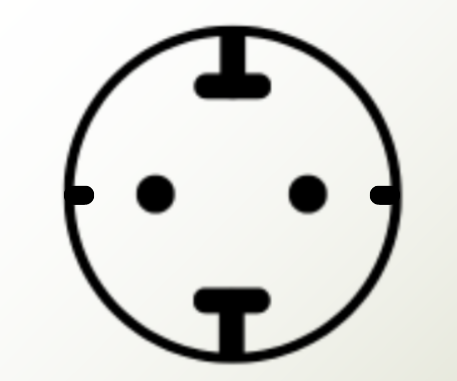 Type F
B. Practical Survival Notes
- Flights: Book direct into Amsterdam Schiphol or Eindhoven if you need the simplest arrival, and recheck departure boards before you leave for the airport because rail disruption can affect transfer timings. LOW risk of missed connections.
- Airport Transfers: Use official taxi ranks, pre-booked hotel shuttles, or scheduled rail links from Schiphol rather than informal drivers in the arrivals hall. LOW risk of fare overcharge or delay.
- Car Hire: Collect a car only if you need regional travel, because city parking, cycling lanes, and low-emission zones can complicate driving in Amsterdam, Utrecht, and Rotterdam. LOW risk of parking fines or navigation delays.
- Accommodation: Choose hotels near a main station or metro stop, and confirm late check-in procedures in case train or flight disruption pushes your arrival back. LOW risk of being stranded after public transport stops running.
- Attractions & Tours: Pre-book timed entry for major attractions such as the Rijksmuseum, Anne Frank House, Keukenhof, and canal cruises, then keep printed or offline confirmations on your phone. LOW risk of denied entry or wasted ticket costs.
- Evacuation Routes: Keep the quickest route back to Schiphol, Rotterdam The Hague Airport, or a major rail hub saved in your phone, and choose accommodation that lets you reach one of them within a short taxi or tram ride. LOW risk of slow exit during disruption.
- Shelter Options: If severe weather, transport suspension, or a major public-order incident affects movement, stay inside your hotel, a station-adjacent business hotel, or a large shopping centre with staff presence until local services stabilise. LOW risk of exposure to avoidable disruption.
- Emergency Kit: Carry water, a power bank, medication, a small torch, a card and cash mix, and a copy of your passport and insurance details in a separate bag. LOW risk of reduced self-sufficiency during delays.
- Document Security: Keep your passport, residence card, and travel insurance details in a zipped inner pocket or hotel safe, and store digital scans in encrypted cloud storage. LOW risk of loss and administrative delay.
- Alert Channels: Check Dutch government travel advice, local municipality alert pages, railway operator notices, and airport updates before every intercity move. LOW risk of relying on stale information.
C. Cultural Red Lines
- Alcohol in Public: Avoid drinking openly in places where local rules restrict it, especially around transport nodes and during festivals, because police can issue fines or require you to move on. LOW risk of fines or removal.
- Drug Use: Do not assume cannabis use is unrestricted everywhere, and avoid carrying or consuming harder drugs because possession can still trigger police action and deportation proceedings. MODERATE risk of arrest or deportation.
- Photography of People: Do not film or photograph strangers closely in red-light or nightlife areas without clear consent, because complaints can escalate into confrontation or police involvement. LOW risk of social backlash or confiscation issues.
- Sensitive Speech: Avoid racist, antisemitic, homophobic, or extremist commentary in public or online while in the country, because hate-speech laws and workplace or venue policies can lead to police action or exclusion. MODERATE risk of arrest, expulsion, or severe social backlash.
- Royal Criticism: Refrain from abusive public behaviour aimed at the monarchy during national celebrations or royal events, because it can trigger immediate confrontation and legal scrutiny. LOW risk of police attention or social backlash.
- Public Intimacy: Keep public affection modest in conservative family settings, places of worship, or formal events, because overt behaviour can attract complaints or hostile reactions. LOW risk of social backlash.
- Photography of Infrastructure: Do not photograph security staff, border controls, or sensitive transport infrastructure where signs forbid it, because staff may delete images or involve police. LOW risk of detention or device inspection.
- Religious Respect: Enter churches, mosques, and memorial spaces quietly, dress neatly, and follow posted instructions, because disruptive behaviour can lead to expulsion and complaints. LOW risk of ejection or social backlash.
D. Connectivity
Primary Carriers
- Top Pick: KPN gives strong nationwide coverage and reliable 4G/5G performance in cities, along motorways, and across most populated areas.
- Budget Pick: VodafoneZiggo and Odido often offer flexible prepaid and contract options for short stays and longer assignments.
- Coverage Note: Coverage stays excellent in urban and transport corridors, but rural polders, coastal edges, and some enclosed buildings can still show weaker indoor reception.
eSIM Readiness
- Status: Major Dutch carriers and many travel eSIM providers support quick activation for short-term visitors.
- Action: Activate your eSIM before arrival so you can use maps, ride-hailing, and messaging immediately after landing.
- Registration: Carriers normally request passport or ID details at purchase or activation, and they may link service to your identity under Dutch telecom rules.
Essential Apps
- Transport: NS, 9292, and the Schiphol app help you plan trains, trams, buses, airport transfers, and disruption checks.
- Communication: WhatsApp, Signal, and standard phone calling cover most traveller communication needs, while Dutch contacts often expect WhatsApp first.
- Payment: Many retailers accept Visa and Mastercard, while contactless card payment dominates daily spending and cash use remains less central than in some European markets.
Offline Map Guidance
- Action: Download offline maps for Amsterdam, Rotterdam, The Hague, Utrecht, and any coastal or regional destinations before arrival.
- Navigation Tip: Save station exits, hotel locations, and tram stops offline because dense street patterns and cycle-priority routes can confuse last-minute navigation.
Digital Restrictions & VPNs
- Banned Apps: The Netherlands does not impose broad routine bans on common consumer messaging or social platforms.
- VPN Status: VPN use remains legal for normal personal and business privacy purposes.
- Recommendation: Use a reputable VPN on hotel and airport Wi-Fi if you handle work files, banking, or personal data.
Wi-Fi & Workspaces
- Availability: Airports, railway stations, hotels, cafés, and co-working spaces in major cities routinely provide free or paid Wi-Fi.
- Security: Use secure networks for banking and sensitive logins, and disable automatic connection to open hotspots to reduce interception risk.
E. Potential Scams
- Nightlife Tabs: Watch for inflated bills in late-night bars and club districts in Amsterdam, especially around Leidseplein, Rembrandtplein, and De Wallen, where add-on charges can appear on the final bill. LOW risk of overpayment.
- Taxi Detours: Refuse unlicensed drivers at Schiphol, Amsterdam Central, and popular hotel fronts, because opportunistic drivers can quote inflated flat fares or take longer routes. LOW risk of fare overcharge.
- Tour Ticket Sales: Buy canal cruise, museum, and attraction tickets only from official vendors or trusted platforms, because street sellers near Dam Square and major canal stops can sell invalid or resold tickets. LOW risk of wasted money.
- Card Skimming: Stay alert at unattended card terminals and cash machines in busy transport corridors, because cloned-card and PIN capture attempts can still target foreign visitors. LOW risk of financial theft.
- Rental Damage Claims: Photograph hire cars, bicycles, and scooters before and after use, because disputed scratches and wheel damage can become an expensive claim. LOW risk of surprise charges.
- Online Booking Fraud: Verify apartment and short-stay listings carefully on peer-to-peer platforms, because fake hosts can request bank transfers and then fail to provide access details. LOW risk of payment loss.
- Phone Impersonation: Ignore calls or texts claiming to be from banks, parcel firms, or Dutch authorities unless you verify them independently, because fraudsters often request one-time codes or remote access. MODERATE risk of identity theft or account takeover.
F. Things To Watch Out For
- Rail Disruption: Monitor Eurostar and Dutch rail updates closely because recent fire damage near Rotterdam Central has already caused severe cross-border disruption and longer journey times. MODERATE risk of missed connections or stranded travel.
- Flood Exposure: Track rainfall and water-level alerts in low-lying districts, river edges, and coastal zones because parts of the country depend on flood management and heavy storms can still disrupt movement. LOW risk of local flooding.
- Wind and Storms: Watch for strong coastal winds that can interrupt ferry links, cycling conditions, and rail operations along exposed routes such as The Hague, Rotterdam, and North Sea-facing areas. LOW risk of transport delay or injury.
- Crowded Centres: Expect dense pedestrian and cycle traffic in Amsterdam, Utrecht, and around major event venues, where congestion can slow evacuation or make navigation difficult. LOW risk of minor injury or delay.
- Demonstrations: Monitor public gatherings around government buildings, embassies, and central squares, because transport may divert and crowding can escalate quickly. LOW risk of disruption or confrontation.
- Cashless Friction: Check whether small shops, cafés, or market stalls accept your card type before you order, because some venues prefer card-only or may reject certain foreign payment methods. LOW risk of payment inconvenience.
- Infrastructure Outages: Prepare for occasional telecom, rail, or power disruption during severe weather or technical incidents, especially when you rely on public transport for airport access. LOW risk of missed appointments or delayed departure.
G. Dos
- Local Phrases: Learn basic Dutch greetings and transit phrases so you can ask for directions, platform changes, or service help more efficiently. LOW risk of communication delay.
- Insurance Cover: Buy comprehensive travel insurance that includes medical treatment, cancellation, baggage loss, and rail disruption cover before you travel. LOW risk of high out-of-pocket costs.
- ID Carrying: Carry your passport or a compliant identity document when you move around, especially if you plan to check in at hotels, pick up rental vehicles, or collect tickets. LOW risk of administrative delay.
- Timetable Checks: Check train, tram, and airport departure times before you leave your hotel, then allow extra time for platform changes and cycling traffic. LOW risk of missed connections.
- Respectful Queueing: Join queues in an orderly way at stations, museums, and cafés, because locals value clear turn-taking and efficient service flow. LOW risk of social friction.
- Alert Registration: Register with your embassy’s travel notification service and turn on official weather and transport alerts for the Netherlands. LOW risk of missing urgent updates.
- Disaster Prep: Save emergency numbers, hotel details, and the nearest station or shelter option on your phone before you leave for the day. LOW risk of confusion during disruption.
- Card Backup: Carry at least one backup bank card and a small amount of cash, because most payments work by card but individual merchants may still prefer an alternate method. LOW risk of payment failure.
H. Don'ts
- Loud Transit Use: Do not hold loud conversations or take speakerphone calls on trains, trams, and at station platforms, because this draws disapproval and can interrupt others. LOW risk of social backlash.
- Walking While Eating: Do not assume eating on the move suits every setting, especially in formal centres, museums, or crowded station areas, because locals may view it as inconsiderate. LOW risk of social friction.
- Unsolicited Photos: Do not point a camera directly at people in nightlife streets, markets, or residential canals without asking first, because you can trigger complaints or conflict. LOW risk of confrontation.
- Shrine and Church Behaviour: Do not enter religious spaces loudly, dress inappropriately, or ignore posted visitor instructions, because staff can remove you immediately. LOW risk of ejection.
- Drug Curiosity: Do not buy or carry substances offered casually in entertainment districts, because Dutch tolerance does not protect you from police action for illegal possession or supply. MODERATE risk of arrest or deportation.
- Protest Attendance: Do not join political demonstrations unless you understand the context and route, because crowds can shift, police may seal streets, and your movement can become restricted. LOW risk of detention or missed travel.
- Touts and Promoters: Do not follow street promoters into bars, clubs, or private venues in red-light and nightlife zones, because hidden charges and aggressive upselling can follow. LOW risk of financial loss.
I. Special Considerations
- Seismic Comfort: You do not need to plan for earthquake evacuation in the way you would in high-seismic countries, but you should still follow normal emergency instructions from hotels and local authorities. LOW risk of confusion during a rare incident.
- Dense Cities: Expect heavy population density in Amsterdam, Rotterdam, Utrecht, and The Hague, which compresses public transport, cycling space, and hotel availability at peak times. LOW risk of delay or crowding stress.
- Punctual Culture: Build buffer time into schedules because Dutch rail, business, and appointment culture rewards punctuality and quick responses. LOW risk of missed meetings or service delays.
- Ageing Society: Plan for highly accessible but sometimes slower-moving service in quieter towns, where an ageing population can shape opening hours and local service rhythms. LOW risk of schedule mismatch.
- Smoke-Free Rules: Expect strict smoke-free policies in many indoor public spaces, transport settings, and hospitality venues, and look for designated outdoor smoking areas. LOW risk of fines or ejection.
- Tattoo Sensitivity: Check spa, pool, and wellness house rules before you go, because some facilities still restrict visible tattoos or require them to be covered in specific settings. LOW risk of denied entry.
- Healthcare Costs: Present your insurance details quickly if you need treatment, because private or non-resident charges can accumulate fast and providers often expect straightforward payment arrangements. MODERATE risk of high medical bills.
- Rule of Law: Expect strong public-order enforcement and clear administrative procedures, which makes compliance with tickets, ID checks, and local instructions important during your stay. LOW risk of fines or formal escalation.
- Healthcare Costs: Medical facilities expect you to pay out of pocket for non-urgent care. Consult your insurance provider before seeking treatment to understand coverage, co-pays, and reimbursement procedures. For emergencies, seek treatment first and contact your insurer immediately. HIGH risk of severe medical debt or delayed treatment.
- Travel Insurance Requirement: Purchase comprehensive travel insurance that includes emergency medical evacuation, repatriation, and trip cancellation. Verify your policy covers all planned activities and destinations. EXTREME risk of financial loss during a crisis.