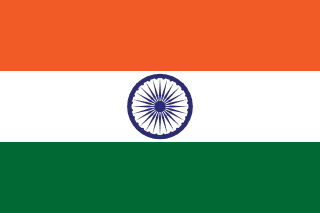


A. Key Information
Capital & Region
New Delhi , Asia
Emergency Numbers
Police: 110
Ambulance: 120
Fire: 119
General: 112
Ambulance: 120
Fire: 119
General: 112
Currency & Calling Code
Indian Rupee (INR) +91
Languages & Population
Hindi and English (with multiple regional
languages) , approximately 1.45 billion
Driving Side
Left
B. Practical Survival
Connectivity
Good mobile coverage in major cities.
SIM cards usually available on arrival.
SIM cards usually available on arrival.
Payments
Cards widely accepted in commercial hubs.
Cash still preferred in local markets.
Cash still preferred in local markets.
Power Adapters & Plugs
220V / 50Hz
 Type C
 Type D
 Type M
B. Practical Survival Notes
- Flights: Book international flights into major hubs such as Indira Gandhi International Airport (DEL), Chhatrapati Shivaji Maharaj International Airport (BOM), Kempegowda International Airport (BLR), and Rajiv Gandhi International Airport (HYD), and monitor airline advisories for monsoon‑related delays or diversions. MODERATE risk of missed connections and unexpected overnight stays.
- Airport Transfers: Arrange vetted airport transfers in advance using hotel cars or reputable app‑based taxis (Ola, Uber) at airports in Delhi, Mumbai, Bengaluru, and Hyderabad, and confirm driver details before exiting the terminal. MODERATE risk of overcharging, unsafe vehicles, or exposure to opportunistic crime.
- Car Hire: Use established rental firms or chauffeur‑driven services rather than self‑drive, especially in dense cities and hill regions, and avoid night driving on rural highways during the monsoon. HIGH risk of accidents, road rage incidents, and becoming stranded by landslides or flooding.
- Accommodation: Select hotels or serviced apartments in established districts (e.g. South Delhi, Bandra or Lower Parel in Mumbai, MG Road in Bengaluru) with 24‑hour security, backup power, and clear emergency procedures, and confirm flexible cancellation terms in case of civil unrest or weather disruption. MODERATE risk of theft, poor safety standards, or inability to relocate quickly.
- Attractions & Tours: Use licensed guides and tour operators for visits to major sites such as the Red Fort and Jama Masjid in Delhi, the Gateway of India and Elephanta Caves in Mumbai, and the Taj Mahal in Agra, and avoid unsanctioned excursions to border zones, Jammu and Kashmir, and Manipur. HIGH risk of being caught in security incidents, scams, or restricted‑area enforcement.
- Emergency Evacuation Routes: Identify at least two exit routes from your primary city, such as alternative airports (e.g. Jaipur as a backup for Delhi), major rail hubs, or highways, and keep sufficient cash and a packed grab‑bag to move quickly if unrest or flooding intensifies. HIGH risk of being trapped by transport shutdowns or localised curfews.
- Shelter‑in‑Place Options: Confirm where you can safely shelter‑in‑place within your accommodation, including secure interior rooms away from windows and ground‑floor street exposure, and discuss contingency plans with hotel management for extended stays during protests, terrorist alerts, or severe storms. MODERATE risk of injury or distress during nearby violence or extreme weather.
- Emergency Kits: Prepare a compact kit including bottled water, non‑perishable snacks, basic medicines, power bank, torch, copies of key documents, and local cash in small denominations, and store it in a day‑pack you can carry at all times. MODERATE risk of dehydration, medical complications, or loss of critical functionality during outages.
- Document Security: Keep your passport, visa, OCI or e‑OCI card, and hard copies of bookings in a hotel safe or concealed organiser, and carry digital copies in encrypted cloud storage for rapid access if originals are lost or stolen. HIGH risk of bureaucratic delays, fines, or forced trip curtailment.
- Monitoring Official Alerts: Regularly check advisories from your home government and Indian authorities, follow India Meteorological Department updates during the monsoon, and use official tourist helplines and local news channels to track security and health notices. MODERATE risk of being caught unprepared by sudden restrictions, health screening measures, or protest‑related disruption.
- Health Declaration Compliance: all international passengers must complete the mandatory Air Suvidha 2.0 Health Self-Declaration form online before boarding. This is a screening measure for a global Ebola health emergency (there is no outbreak in India) and requires a detailed 21-day travel history. Carry the confirmation digitally and printed. High risk of denied boarding or entry refusal if not completed prior to departure.
- Local Emergency Contacts: Note Indian national emergency numbers (112 and 100), local police station details around your accommodation, and your embassy or high commission contact numbers, and keep these written on paper in case your phone fails. HIGH risk of delayed assistance or inability to coordinate help during a crisis.
- Internal Flight Planning: During the monsoon, build generous buffers into itineraries involving flights to or from Mumbai, Delhi, the northeast, and hill stations, and avoid tight same‑day onward connections that depend on vulnerable routes such as Mumbai–Pune or Uttarakhand sectors. MODERATE risk of cascading travel disruption and missed business engagements.
C. Cultural Red Lines
- Respect for Religious Spaces: Dress modestly and remove shoes when entering temples, mosques, gurdwaras, and other religious sites, and avoid loud conversation, photography of worshippers, or intrusive behaviour during rituals. HIGH risk of severe social backlash, expulsion from sites, or police involvement.
- Blasphemy and Religious Insult: Refrain from mocking, questioning aggressively, or posting provocative content about Hinduism, Islam, Sikhism, Christianity, or other faiths, including on social media while in India. HIGH risk of arrest under local laws, mob aggression, or targeted harassment.
- Political and Separatist Speech: Avoid expressing support for separatist movements, criticising the Indian state’s territorial integrity, or discussing sensitive topics such as Kashmir, insurgency in the northeast, or communal tensions in public forums. HIGH risk of police scrutiny, detention, or deportation.
- Respect for National Symbols: Do not deface, mock, or mishandle the Indian flag or national emblems, and avoid jokes about the national anthem or key institutions during public events or online posts. HIGH risk of criminal charges and intense public hostility.
- Comments on Monarchy and Leaders: Although India is a republic, treat current and past political leaders and prominent figures with respect, and avoid inflammatory criticism or caricatures that could be interpreted as incitement. MODERATE risk of defamation complaints, online harassment, or police questioning.
- Alcohol and Narcotics Controls: Follow state‑specific rules on alcohol sale and consumption, avoid public drunkenness, and strictly avoid illegal drugs, which attract harsh penalties and protracted legal cases. HIGH risk of arrest, pre‑trial detention, and long‑term travel bans.
- Public Affection and Modesty Norms: Limit public displays of affection in conservative areas and around families, and choose clothing that covers shoulders and knees when visiting religious towns or rural communities. MODERATE risk of harassment, refusal of service, or police involvement.
- Photography and Filming Restrictions: Do not photograph military installations, border posts, critical infrastructure, or security personnel, and seek permission before photographing people, especially in rural or religious contexts. HIGH risk of equipment confiscation, questioning, or charges under security laws.
- Social Media Content about Communal Issues: Avoid posting or sharing content that comments negatively on caste, religion, or community relations within India, including reposts of foreign commentary. HIGH risk of online abuse, police cyber‑unit attention, or legal proceedings.
- Discussion of India–Pakistan Tensions: Steer clear of provocative conversation about India–Pakistan relations, border skirmishes, or perceived favouritism, especially near border states or in mixed company. MODERATE risk of aggressive confrontation or denunciation to authorities.
- Respect for Local Festivals and Processions: Do not obstruct religious processions, political rallies, or local festivals, and avoid filming in ways that appear mocking or intrusive during sensitive events. MODERATE risk of assault, forced deletion of footage, or police intervention.
- Handling of Sacred Objects: Never touch or move sacred objects, idols, or offerings without explicit permission, and avoid sitting or standing on raised platforms meant for rituals. HIGH risk of immediate expulsion and significant social hostility.
- Comments on Historical Conflicts: Avoid casually debating historical communal riots, partition, or recent conflicts in mixed groups, and decline invitations to take sides in polarised conversations. MODERATE risk of strained relationships, targeted hostility, or being reported to authorities.
D. Connectivity
Primary Carriers
- Top Pick: Choose Jio or Airtel for primary mobile service in major cities and business hubs, as they offer strong 4G and expanding 5G coverage along key corridors.
- Budget Pick: Select Vi (Vodafone Idea) where available if you prioritise lower cost over peak performance and can tolerate occasional congestion and slower data speeds.
- Coverage Note: Plan for weaker or unstable coverage in remote Himalayan regions, border areas near Pakistan, parts of the northeast, and sparsely populated rural belts, and download key information in advance.
eSIM Readiness
- Status: Check with your home operator and Indian carriers for compatible eSIM plans, as leading providers increasingly support tourist eSIMs for short‑term stays.
- Action: Activate an India‑specific eSIM or physical SIM on arrival to reduce roaming costs, and verify that your device remains unlocked for local networks.
- Registration: Bring your passport and a spare passport‑size photograph to complete mandatory SIM registration at authorised outlets, and retain the customer form or SMS confirmation.
Essential Apps
- Transport: Install apps such as Ola, Uber, Rapido, and redBus to book taxis, motorbike rides, and intercity buses, and use IRCTC‑linked apps to manage rail travel.
- Communication: Use WhatsApp, Signal, and Telegram for day‑to‑day messaging, and rely on voice and video calls over data when mobile coverage outperforms traditional voice services.
- Payment: Enable UPI‑linked apps such as PhonePe, Google Pay, and Paytm where possible, and link them to local bank accounts or cards to streamline payments in urban areas.
Offline Map Guidance
- Action: Download offline map packs for key cities and regions on Google Maps or Maps.me before travelling, focusing on hotel districts, business zones, and evacuation routes.
- Navigation Tip: Mark hospitals, police stations, and transport hubs as favourites and cross‑check GPS directions with local advice when you navigate dense old‑city areas.
Digital Restrictions & VPNs
- Banned Apps: Monitor local news for app bans or restrictions, as authorities occasionally remove or limit Chinese‑origin or security‑sensitive applications.
- VPN Status: Use reputable VPN services for secure access to corporate systems and international content, while complying with Indian law and avoiding any illegal activity.
- Recommendation: Configure your VPN before arrival, set it to auto‑connect on unsecured networks, and avoid using free VPNs that may log or sell your data.
Wi-Fi & Workspaces
- Availability: Choose hotels, cafes, and co‑working spaces in major cities that advertise high‑speed Wi‑Fi, and confirm backup power arrangements during the monsoon.
- Security: Connect through VPNs on public Wi‑Fi, avoid accessing sensitive financial accounts on shared networks, and use two‑factor authentication to protect key services.
E. Potential Scams
- Taxi Overcharging near Airports: Around DEL, BOM, BLR, and HYD, unlicensed drivers and touts may quote inflated fixed fares or tamper with meters, especially for visibly foreign travellers. HIGH risk of significant financial loss and exposure to unsafe vehicles.
- Currency Exchange and "Drop and Swap": In markets and near railway stations, some money changers or street exchangers may swap genuine notes for damaged or counterfeit rupees during counting. HIGH risk of receiving unusable currency and facing possible police issues.
- Fake Tour Operators in Delhi and Agra: Near Connaught Place, Paharganj, and at Taj Mahal approaches, impostors may pose as official tourism offices, selling overpriced or non‑existent tours and train tickets. HIGH risk of financial loss and ruined itineraries.
- Nightlife Bills in Mumbai and Goa: In tourist nightlife zones such as Colaba, Bandra, Baga, and Calangute, some bars may add hidden cover charges, inflated service fees, or charge for unsolicited items. MODERATE risk of overcharging and confrontational disputes.
- Spiked Drinks in Clubs and Bars: In major cities’ nightlife districts, particularly when drinks come from unknown patrons, criminals may spike beverages to facilitate theft or assault. HIGH risk of loss of valuables, physical harm, or sexual violence.
- Online Ticket and Hotel Fraud: Fraudulent websites and social media listings may mimic known brands to take payment for hotels, trains, or tours that do not exist or are not confirmed. HIGH risk of data theft, card compromise, and stranded travellers.
- Street Beggar and Charity Scams: Near religious sites and busy junctions, organised groups may use children or disabled individuals to solicit money or pressure travellers into signing fake charity pledges. MODERATE risk of persistent harassment and moderate financial loss.
- Shopping Commission Rackets: Auto‑rickshaw and taxi drivers in cities like Jaipur, Delhi, and Mumbai may divert travellers to specific shops that charge inflated prices and pay kickbacks. MODERATE risk of overpaying and wasting time.
- Dating‑App Bar Setups: In large metros, fraudsters may use dating apps to invite foreigners to specific bars where staff levy extreme bills or threaten police involvement to enforce payment. HIGH risk of extortion, card fraud, and intimidation.
- Counterfeit Ticket Sellers at Stations: Around major railway stations such as New Delhi, Mumbai CSMT, and Howrah, individuals may sell fake printed tickets or reservation slips to confused travellers. HIGH risk of denied boarding and loss of funds.
- Fake Monks and Religious Solicitors: In tourist‑heavy spiritual centres such as Varanasi, Rishikesh, and parts of Rajasthan, impostors dressed as monks or holy men may pressure travellers to buy expensive amulets or donate to dubious causes. MODERATE risk of financial loss and awkward confrontation.
- Mobile Phone Repair and Accessory Traps: At informal stalls, technicians may replace genuine parts with inferior ones or copy data while claiming to fix devices. MODERATE risk of data compromise and repeated repair costs.
- Tourist SIM Card Overpricing: Unofficial vendors around airports and bus stations may sell SIM cards at steep mark‑ups or with misleading data allowances. MODERATE risk of overspending and poor connectivity.
F. Things To Watch Out For
- Monsoon Flooding and Landslides: During the monsoon, cities such as Mumbai, Delhi, and Kolkata and corridors like the Mumbai–Pune route frequently experience flooding, landslides, and transport shutdowns. HIGH risk of travel disruption, accidents, and temporary isolation.
- Border Tensions with Pakistan: Areas within roughly 10 km of the India–Pakistan border and parts of Jammu and Kashmir remain sensitive, with periodic cross‑border incidents and a history of military confrontation. HIGH risk of sudden security escalations and restricted movement.
- Civil Unrest and Protests: Major urban centres occasionally face protests over political, economic, or communal issues, which can quickly block roads and trigger police responses. MODERATE risk of accidental involvement, tear gas exposure, or curfew measures.
- Terrorism Threats in Urban Hubs: Tourist and religious sites, markets, and transport hubs in cities such as Delhi and Mumbai have experienced past attacks and remain under heightened security. HIGH risk of being near an incident or caught in security operations.
- Health Hazards and Outbreak Alerts: Vector‑borne diseases such as dengue and broader global health alerts, including Ebola‑related screening, can affect entry procedures and local health risks. MODERATE risk of illness, quarantine, or medical diversion.
- Air Quality and Heat Stress: Delhi, parts of North India, and some industrial regions regularly experience poor air quality, extreme heat, and humidity that strain travellers with respiratory or cardiovascular conditions. MODERATE risk of health deterioration and reduced performance.
- Infrastructure Strain and Power Outages: Rapid urban growth and seasonal stress frequently lead to localised power cuts, water supply issues, and congestion in transport networks. MODERATE risk of business disruption and compromised comfort.
- Language Barriers in Rural Areas: Outside major cities, English usage decreases and local languages dominate, making it harder to navigate health care, police, and transport systems without support. LOW risk of miscommunication leading to delays or minor disputes.
- Petty Theft in Crowded Spaces: Railway stations, bus terminals, markets, and religious fairs present elevated risks of pickpocketing and bag snatching, particularly for visibly foreign travellers. MODERATE risk of loss of valuables and documents.
- Cyclones and Coastal Storms: Eastern and western coastal states can experience cyclones and severe storms, disrupting flights, ports, and road traffic. HIGH risk of evacuation needs, transport cancellations, and property damage.
- Animal Hazards and Stray Dogs: Stray dogs and livestock on roads pose collision and bite risks, especially at night or in peri‑urban and rural zones. LOW risk of injury and need for rabies post‑exposure treatment.
- Rail and Road Safety Concerns: Overcrowded trains and buses, coupled with aggressive driving norms, increase accident risk on busy intercity routes. MODERATE risk of injury and extended delays.
G. Dos
- Carry Comprehensive Identification: Keep your passport, Indian visa or OCI/e‑OCI proof, and a photocopy of these documents with you when moving between states or checking into hotels. MODERATE risk of delays, fines, or denied service.
- Purchase Robust Travel Insurance: Arrange insurance that covers medical evacuation, trip interruption, and high‑risk activities before departure, and verify coverage for monsoon events and political unrest. HIGH risk of heavy out‑of‑pocket costs and compromised care.
- Learn Basic Local Phrases: Memorise key Hindi phrases and, where relevant, local language greetings and polite forms to ease interactions with drivers, hotel staff, and police. LOW risk of misunderstandings escalating into disputes.
- Use Reputable Public Transport Patterns: Prefer metro systems in Delhi, Mumbai, and Bengaluru and reserved‑class rail travel on intercity routes, and avoid overcrowded unreserved carriages. MODERATE risk of theft, harassment, and delay.
- Download Offline Maps and Key Contacts: Save offline maps for core cities, hospital locations, embassy contacts, and your accommodation address before you begin local travel. MODERATE risk of getting lost or being unable to seek help promptly.
- Register with Your Embassy or Notification Service: Enrol in your home country’s traveller registration or alert system and keep embassy details handy for rapid assistance. HIGH risk of delayed consular support during emergencies.
- Follow Local Weather and IMD Alerts: Check India Meteorological Department updates daily during the monsoon and adjust travel plans away from heavily affected states or routes. HIGH risk of exposure to floods, landslides, and severe storms.
- Adopt Cash and Digital Payment Mix: Carry a mix of cash and cards and, when possible, use UPI payments for urban transactions while keeping emergency cash for rural or outage scenarios. MODERATE risk of payment failures and transactional delays.
- Respect Queuing and Space Norms: Observe local queuing practices at security lines, ticket counters, and boarding gates, and maintain patience in crowded conditions. LOW risk of confrontations and negative attention.
- Use Hotel Safes and Split Valuables: Store spare cards, passports, and higher cash reserves in a hotel safe and keep a separate wallet with limited cash for day‑to‑day use. MODERATE risk of severe loss during theft or scams.
- Prepare for Air Quality Challenges: If you have respiratory issues, carry masks, inhalers, and necessary medication and plan indoor days during peak pollution periods in northern cities. MODERATE risk of health deterioration and cancelled meetings.
- Follow Security Force Instructions: Comply promptly with directions from police and security personnel at checkpoints, religious sites, and public events, and avoid argument. HIGH risk of detention or escalated confrontation.
- Use Verified Medical Facilities: Identify reputable private hospitals or clinics in advance for each city on your itinerary and carry proof of insurance for faster admission. HIGH risk of delays and substandard treatment if you rely on unknown facilities.
H. Don'ts
- Do Not Join Protests or Political Rallies: Avoid participating in demonstrations, marches, or overt political gatherings, even if they appear peaceful. HIGH risk of detention, injury, or forced relocation.
- Do Not Ignore Disaster Warnings: Do not travel into areas under heavy rain, flood, or cyclone alerts, and avoid crossing rivers or landslide‑prone hills against local advice. HIGH risk of serious injury or entrapment.
- Do Not Engage with Street Touts in Nightlife Areas: Decline unsolicited offers for bars, clubs, or massage services around tourist nightlife districts such as Colaba, Baga, and Connaught Place. HIGH risk of scams, extortion, or assault.
- Do Not Display Large Amounts of Cash or Jewellery: Avoid overtly wearing expensive watches, jewellery, or showing thick wads of cash in markets and crowded transport. MODERATE risk of targeted theft or robbery.
- Do Not Disrespect Temples, Mosques, or Shrines: Do not touch idols, take disruptive photos, eat inside prayer halls, or sit with feet pointing towards sacred objects. HIGH risk of social backlash and ejection.
- Do Not Drink Tap Water or Unhygienic Beverages: Avoid tap water, ice of unknown origin, and street beverages made with unfiltered water, especially in hot conditions. MODERATE risk of gastrointestinal illness and dehydration.
- Do Not Rely Solely on Unreserved Trains and Buses: Avoid last‑minute travel in overcrowded and unreserved compartments on long routes. MODERATE risk of theft, harassment, and exhaustion.
- Do Not Use Unregulated Ride Offers: Do not accept rides from strangers or unofficial vehicles at airports, stations, or tourist sites. HIGH risk of kidnapping attempts, theft, or serious harm.
- Do Not Share Sensitive Work Data on Public Networks: Avoid uploading confidential corporate documents or accessing critical systems over unsecured Wi‑Fi in cafes and hotels. MODERATE risk of data breaches and cyber compromise.
- Do Not Handle Street Animals: Refrain from petting or feeding stray dogs, monkeys, and cattle, particularly in temple towns and markets. MODERATE risk of bites, scratches, and infection.
- Do Not Challenge Police Authority in Public: Avoid arguing loudly, filming confrontational encounters, or refusing reasonable instructions from officers. HIGH risk of arrest or legal complications.
- Do Not Overstay Your Visa or Misuse Entry Category: Do not extend your stay beyond visa validity or work on a tourist visa without proper permits. HIGH risk of fines, detention, and future entry bans.
I. Special Considerations
- Regional Security Variation: Recognise that India’s security profile varies sharply, with mainstream metros relatively stable but Jammu and Kashmir, sections of the northeast, and border zones carrying elevated risk. HIGH risk of severe incidents if travellers ignore regional advisories.
- Monsoon‑Driven Travel Dynamics: Understand that monsoon patterns from June to September significantly shape mobility, with periodic shutdowns of major highways, rail corridors, and airports. HIGH risk of trip disruption and prolonged delays.
- Healthcare Access and Payment Expectations: Expect good‑quality private healthcare in major cities but weaker facilities in rural areas, and prepare to pay upfront for care despite having insurance. MODERATE risk of limited access and high immediate expenses.
- Population Density and Crowding: Anticipate heavy crowding at transport hubs, markets, and religious sites due to India’s high population density and urbanisation. MODERATE risk of stress, petty crime, and slower movements.
- Governance and Rule‑of‑Law Realities: Be aware that enforcement of laws can differ between states and that bureaucratic processes may require patience and strict documentation. MODERATE risk of inconsistent treatment and extended procedures.
- Digital Payments and Cash Coexistence: Note that UPI and digital payments see wide usage in cities, while cash remains important in smaller towns and during network outages. LOW risk of payment friction if travellers prepare both options.
- Disaster‑Warning and Response Systems: Expect improving but uneven disaster‑warning mechanisms, with stronger systems in some states and variable local capacity to respond quickly. MODERATE risk of under‑warning or delayed evacuation.
- Time and Punctuality Expectations: Recognise that official start times may be flexible for some domestic services, while airlines and high‑end business operations maintain stricter punctuality. LOW risk of missed opportunities due to misaligned expectations.
- Smoking Regulations and Public Health Norms: Follow designated smoking area rules and note increasing enforcement against smoking in public spaces. LOW risk of fines or confrontation.
- Long‑Term Visa and Registration Rules: For extended stays, expect reporting obligations to local authorities or FRROs and carefully track visa renewals and address registrations. HIGH risk of legal action or forced departure if neglected.
- Cyber and Data Environment: Understand that India hosts a dynamic digital ecosystem, with varying levels of data protection awareness and some regulatory interventions affecting platforms. MODERATE risk of privacy exposure and platform volatility.
- Demographic and Social Trends: Factor in a young, urbanising population with rapid change in social norms, leading to contrasts between progressive pockets and conservative communities. LOW risk of cultural friction if travellers adapt sensitively.
- Healthcare Costs: Medical facilities expect you to pay out of pocket for non-urgent care. Consult your insurance provider before seeking treatment to understand coverage, co-pays, and reimbursement procedures. For emergencies, seek treatment first and contact your insurer immediately. HIGH risk of severe medical debt or delayed treatment.
- Travel Insurance Requirement: Purchase comprehensive travel insurance that includes emergency medical evacuation, repatriation, and trip cancellation. Verify your policy covers all planned activities and destinations. EXTREME risk of financial loss during a crisis.