

A. Key Information
Capital & Region
Tokyo , East Asia
Emergency Numbers
Police: 110
Ambulance: 120
Fire: 119
General: 112
Ambulance: 120
Fire: 119
General: 112
Currency & Calling Code
Japanese yen (JPY) +81
Languages & Population
Japanese ,
Approximately 123.8 million
Driving Side
Left
B. Practical Survival
Connectivity
Good mobile coverage in major cities.
SIM cards usually available on arrival.
SIM cards usually available on arrival.
Payments
Cards widely accepted in commercial hubs.
Cash still preferred in local markets.
Cash still preferred in local markets.
Power Adapters & Plugs
220V / 50Hz
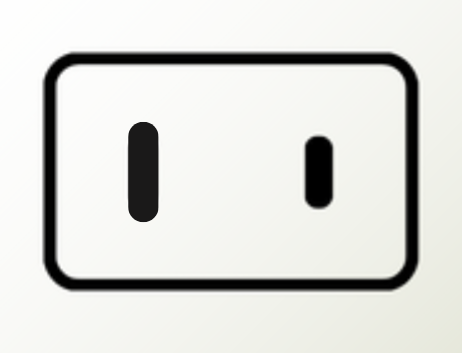 Type A
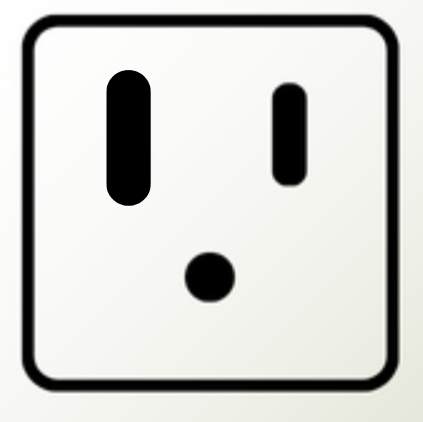 Type B
B. Practical Survival Notes
- Flights: Book flexible tickets for Tokyo Haneda, Tokyo Narita, Osaka Kansai, Osaka Itami, Fukuoka, and Kumamoto if you route through Kyushu, because the current Kyushu earthquake has disrupted flights to and from Kumamoto Airport and may affect wider domestic connections. HIGH risk of missed departures and stranded onward travel.
- Airport Transfers: Pre-arrange airport rail, limousine bus, or licensed taxi transfers before arrival, and keep a backup route in case airport rail links or expressways close after a quake, typhoon, or flood. MODERATE risk of delayed arrival and last-mile disruption.
- Car Hire: Use car hire only if you understand left-hand driving, toll roads, winter rules in mountainous areas, and local parking constraints, and avoid relying on a vehicle as your sole evacuation option in earthquake-prone regions. MODERATE risk of navigation errors and delayed evacuation.
- Accommodation: Choose hotels that publish earthquake procedures, clearly mark evacuation routes, and maintain backup power, then store passports, cash, medicines, and chargers in a grab bag near the door. MODERATE risk of loss of access to essentials during an outage or evacuation.
- Attractions & Tours: Confirm opening status for temples, museums, theme parks, and rail-based sightseeing before travel each day, especially in Kyushu where transport disruption can affect day trips and intercity itineraries. MODERATE risk of cancelled excursions and unsafe access routes.
- Emergency Evacuation Routes: Identify the nearest tsunami vertical evacuation building, hill, or inland assembly point from your hotel, beach resort, or port area, and save the route offline before you need it. HIGH risk of delayed escape after a coastal quake or tsunami alert.
- Shelter-in-Place Options: Use sturdy indoor cover near interior walls or under strong furniture during shaking, then keep at least one hotel or apartment room where you can wait out short transport stoppages safely. HIGH risk of injury from falling objects.
- Emergency Kit: Carry water, snacks, a torch, power bank, spare medication, small first-aid items, and a paper note with key addresses in Japanese for use during rail closures or reception loss. MODERATE risk of dehydration, low battery, and communication failure.
- Document Security: Keep your passport, visa records, insurance details, and booking confirmations in a waterproof pouch and store digital copies offline, because sudden evacuations can force quick hotel or station changes. MODERATE risk of document loss and administrative delay.
- Alert Channels: Monitor Japan Meteorological Agency alerts, local government disaster notices, your embassy alerts, and hotel SMS or app notifications several times daily during typhoon season or after seismic activity. HIGH risk of missing time-critical warnings.
C. Cultural Red Lines
- Quiet Transport: Keep your voice low on trains, buses, and station platforms, and silence your phone before boarding because loud conversations and speaker use trigger strong social disapproval. MODERATE risk of public backlash and refusal of service.
- Queue Discipline: Join queues in the exact order they form at stations, ticket gates, lifts, taxis, and attractions, because queue-jumping creates immediate social conflict and can lead to staff intervention. MODERATE risk of confrontation and removal from the queue.
- Shoe Removal: Remove shoes when entering homes, some temples, traditional inns, and certain restaurants, and place them neatly where staff indicate. MODERATE risk of severe social offence and denied entry.
- Chopstick Etiquette: Never stick chopsticks upright in rice, pass food from chopstick to chopstick, or point with them, because these actions carry strong funerary associations. MODERATE risk of serious offence and hostile reactions.
- Public Affection: Keep kissing, hugging, and prolonged physical affection discreet in public, especially in conservative neighbourhoods, shrines, and family venues. LOW risk of unwanted attention and social backlash.
- Alcohol Use: Drink only in permitted settings and avoid public intoxication near stations, nightlife streets, or shrines, because disruptive drunken behaviour quickly attracts police attention and venue refusal. MODERATE risk of ejection, fines, or detention for disorderly conduct.
- Narcotics: Do not carry, use, or accept cannabis, stimulants, or prescription medicines without checking legality first, because Japan enforces drug laws strictly and foreign offenders can face arrest and deportation. HIGH risk of arrest and deportation.
- Political Speech: Avoid hostile public criticism of the Emperor, national symbols, or current institutions in ways that intentionally provoke crowds, because such conduct can create severe social backlash and may escalate at demonstrations. LOW risk of public hostility and police attention.
- Photography Limits: Ask before photographing people, private homes, geisha districts, shop interiors, or security-sensitive sites, because unauthorised filming can trigger complaints, removal, or equipment checks. LOW risk of conflict and confiscation of access.
- Social Media Posts: Do not post mocking content about disasters, sacred spaces, or local customs while travelling, because public ridicule can spread rapidly and damage your professional reputation. LOW risk of reputational harm and exclusion from venues.
D. Connectivity
Primary Carriers
- Top Pick: NTT Docomo gives the strongest nationwide reach, especially outside the largest cities and along long-distance rail corridors.
- Budget Pick: Rakuten Mobile often suits lighter users in major urban areas, while SoftBank and au/KDDI can also work well in cities and tourist zones.
- Coverage Note: Mountain areas, remote islands, and some coastal stretches can still show weaker signal than Tokyo, Osaka, Nagoya, or Fukuoka.
eSIM Readiness
- Status: Travellers can usually activate eSIM plans before departure, and many Japan-focused products support immediate use on arrival.
- Action: Install the eSIM, test data access before departure, and keep a physical backup SIM or roaming plan in case handset compatibility causes issues.
- Registration: Japan generally does not require foreign short-stay visitors to complete the same formal SIM registration that some higher-risk markets impose, but carriers may still ask for identity details for specific products.
Essential Apps
- Transport: Use Google Maps, Apple Maps, Japan Travel by NAVITIME, and regional rail apps to plan train changes, platform numbers, and delay alerts.
- Communication: Use WhatsApp, LINE, and email for coordination; local contacts often favour LINE for day-to-day messaging.
- Payment: Carry Suica, PASMO, PayPay, and major contactless card options, while keeping cash ready for smaller shops, rural taxis, and some temples.
Offline Map Guidance
- Action: Download offline maps for Tokyo, Kansai, Fukuoka, Sapporo, and any island or mountain destination before you travel.
- Navigation Tip: Save station names, hotel addresses in Japanese, and the nearest evacuation point so you can move without live data during outages.
Digital Restrictions & VPNs
- Banned Apps: Japan does not broadly block mainstream messaging or mapping apps for ordinary travellers, but some overseas streaming libraries and region-locked services may limit access by licence.
- VPN Status: Travellers can generally use VPNs legally for privacy and work access, provided they do not use them for unlawful activity.
- Recommendation: Install a reputable VPN before arrival if you need secure business access, but keep it off when bank apps or transport services flag unusual logins.
Wi-Fi & Workspaces
- Availability: Airports, major hotels, cafés, co-working spaces, station complexes, and many shopping malls provide free or paid Wi-Fi, especially in Tokyo, Osaka, Kyoto, and Fukuoka.
- Security: Use a VPN on public networks, avoid sensitive logins on open hotspots, and prefer hotel or office Wi-Fi for banking, insurance, and corporate email.
E. Potential Scams
- Bottakuri Bars: Late-night districts in Tokyo such as Kabukichō and Roppongi still attract rip-off bars that add inflated drink bills, hidden service charges, or pressure to pay cash on the spot. HIGH risk of overcharging and intimidation.
- Drink Spiking: Busy nightlife streets in Roppongi, Shibuya, and Kabukichō can expose travellers to drink tampering when they leave beverages unattended or accept drinks from strangers. HIGH risk of theft, assault, or loss of consciousness.
- Taxi Detours: Unscrupulous drivers can exploit language barriers by taking longer routes from airports, nightlife areas, or late-night stations, especially when passengers do not check the meter route on maps. MODERATE risk of inflated fares.
- Ticket Resellers: Around major attractions, concert venues, and busy station areas, unauthorised sellers may offer fake, cancelled, or marked-up tickets for trains, events, and tours. MODERATE risk of financial loss and denied entry.
- Drop-and-Swap Cash: In crowded stations, cash offices, and convenience-store queues, a distracted handover can let a thief switch notes or pocket change before you notice. LOW risk of cash loss.
- Dating-App Meetings: Meetings arranged through dating platforms in entertainment districts can lead to coercive bar bills, drink pressure, or attempts to obtain personal details for later extortion. MODERATE risk of fraud and personal data compromise.
- Charity Appeals: Fake donation collectors can appear around tourist crowds, major events, and temple approaches, using emotional stories or foreign-language petitions to solicit cash. LOW risk of minor financial loss.
- Phone and Message Scams: English-language calls, text messages, and phishing emails that claim to come from banks, delivery firms, or immigration offices can push travellers to reveal card details or login codes. MODERATE risk of account theft and identity fraud.
- Cover Charges: Small bars and hostess venues in entertainment districts may add compulsory seating charges, table charges, or minimum-spend rules that they disclose only after entry. MODERATE risk of unexpected expense.
F. Things To Watch Out For
- Earthquakes: Japan sits in a major seismic zone, and the recent Kyushu quake showed how quickly rail, air, utilities, and medical services can be disrupted even when the wider country remains stable. HIGH risk of transport interruption and injury.
- Tsunamis: Coastal areas in Kyushu, the Pacific coast, and low-lying bays can face rapid tsunami alerts after strong offshore quakes, so seafront travel needs real-time warning checks. HIGH risk of coastal inundation and evacuation delay.
- Typhoons: Summer and early autumn storms can bring severe rain, wind, ferry suspensions, and flight cancellations, with current alerts already warning of dangerous rainfall in several regions. HIGH risk of stranded travel and flooding.
- Flooding: Urban basements, river valleys, underpasses, and station approaches can flood quickly during heavy rain, especially where drainage overloads coincide with tidal or storm surge effects. HIGH risk of road closure and property damage.
- Landslides: Mountain roads, cliffside resorts, and rural rail corridors can close after prolonged rain or seismic shaking, especially in Kyushu, Shikoku, and other steep terrain. MODERATE risk of blocked routes and isolated communities.
- Volcanic Activity: Active volcanic areas can trigger ashfall, gas hazards, or local access restrictions, so itineraries near mountains need daily status checks. MODERATE risk of respiratory irritation and exclusion zones.
- Crowd Pressure: Tokyo, Osaka, Kyoto, and major festival sites can feel extremely crowded at peak hours, creating delays at stations, packed footpaths, and slower evacuation if an incident occurs. MODERATE risk of stampede or missed transfers.
- Service Outages: Earthquakes and storms can interrupt electricity, water, gas, and post office operations in affected prefectures, so travellers should not rely on one payment or one communication method. MODERATE risk of service failure and inconvenience.
- Language Barriers: Outside central tourist corridors, English support can drop quickly, and disruption becomes harder to manage when staff must prioritise local-language instructions. LOW risk of miscommunication and missed alerts.
G. Dos
- Basic Phrases: Learn simple greetings, apologies, and transport phrases in Japanese before arrival so you can ask for directions, report disruption, and show respect in daily interactions. LOW risk of misunderstanding and social friction.
- Punctuality: Plan to arrive early for trains, tours, restaurant reservations, and business meetings because local schedules place strong value on timekeeping. LOW risk of missed services and poor impression.
- Travel Insurance: Buy comprehensive cover that includes medical care, trip interruption, earthquake disruption, and evacuation support, then keep the policy number accessible offline. HIGH risk of major out-of-pocket expense without cover.
- Disaster Alerts: Register for embassy messages, hotel alerts, and local warning apps, and keep sound enabled for seismic or weather notifications while moving around. HIGH risk of missing a life-saving warning.
- Cash Reserve: Carry yen in small notes and coins for rural buses, small eateries, shrines, and some taxi fares, even if you also use cards and mobile payment. LOW risk of payment refusal and delays.
- Identification: Carry your passport or a secure copy at all times, especially for hotel check-in, tax-free shopping, or any police identity request. MODERATE risk of administrative delay.
- Respectful Gestures: Bow lightly, queue neatly, and keep your voice measured in public areas to blend in smoothly and reduce friction with staff and other passengers. LOW risk of social embarrassment.
- Mobile Backups: Charge a power bank, save emergency contacts, and keep hotel names in Japanese characters so you can reroute quickly if rail services stop. MODERATE risk of communication failure and delay.
- Embassy Registration: Register your trip with your embassy or national traveller notification service if available, particularly for longer stays, regional travel, or work assignments. MODERATE risk of slower assistance in an emergency.
H. Don'ts
- Loud Train Use: Do not make long phone calls, play audio aloud, or speak boisterously on trains and buses, because passengers expect quiet carriage behaviour. MODERATE risk of public criticism and venue removal.
- Walking Meals: Do not eat or drink while walking in places where local custom discourages it, especially on busy streets, near shrines, or on packed platforms. LOW risk of offence and messy spill hazards.
- Finger Pointing: Do not point directly at people with a single finger; use an open hand when indicating a person, place, or direction. LOW risk of rude signalling and social offence.
- Bathing Order: Do not enter communal baths or onsen without washing thoroughly first, and do not let towels into the bath water. MODERATE risk of ejection and strong social backlash.
- Temple Behaviour: Do not treat shrines, temples, memorials, or grave sites as casual photo backdrops, and do not climb onto sacred structures. MODERATE risk of removal and severe offence.
- Protest Attendance: Do not join political protests, counter-demonstrations, or sensitive public gatherings unless you fully understand the local context and legal limits. MODERATE risk of police questioning and travel disruption.
- Touting Contact: Do not follow street solicitors, aggressive promoters, or informal nightclub hosts in entertainment districts, because they often lead to inflated bills or pressure sales. HIGH risk of financial loss and intimidation.
- Disaster Signs: Do not ignore tsunami sirens, evacuation maps, or local emergency announcements, even if the weather looks calm after shaking stops. HIGH risk of injury or death.
- Tattoo Assumptions: Do not assume all spas, gyms, pools, or onsen accept visible tattoos; confirm entry rules before you arrive. LOW risk of denied entry and embarrassment.
I. Special Considerations
- Seismic Readiness: Japan invests heavily in earthquake-resistant building design and public warning systems, so most urban travellers benefit from strong structural resilience even though major quakes still cause sudden disruption. MODERATE risk of transport interruption and temporary evacuation.
- Population Density: Tokyo, Osaka, Kyoto, and major station hubs operate under very high crowd density, which increases boarding pressure, luggage friction, and congestion during holidays and peak commuting times. MODERATE risk of missed connections and crowd-related stress.
- Ageing Society: An ageing population shapes service style, accessibility priorities, and medical demand, so older travellers often find many facilities accessible while small businesses may keep limited hours. LOW risk of reduced service flexibility.
- Rule of Law: Police, immigration, and local authorities generally enforce regulations consistently, so visitors should expect formal treatment for document issues, drug offences, or disorderly behaviour. MODERATE risk of arrest, detention, or deportation for violations.
- Healthcare Access: Major cities provide strong healthcare access, but clinics and hospitals usually expect prompt payment, so travellers should keep a card, cash, and insurance evidence ready. MODERATE risk of out-of-pocket expense and treatment delay.
- Smoking Controls: Japan restricts smoking in many enclosed public spaces, station areas, and some restaurant settings, and local ordinances can vary by city. LOW risk of fines and complaints.
- Tattoo Restrictions: Some public baths, pools, gyms, beaches, and private leisure venues still limit visible tattoos, so visitors may need covers or alternative facilities. LOW risk of denied entry.
- Departure Rules: Short-term tourists usually do not face exit visas or employer-controlled departure rules, but long-stay workers and students should keep residence status, re-entry permissions, and sponsor documents current. LOW risk of immigration delay.
- Healthcare Costs: Medical facilities expect you to pay out of pocket for non-urgent care. Consult your insurance provider before seeking treatment to understand coverage, co-pays, and reimbursement procedures. For emergencies, seek treatment first and contact your insurer immediately. HIGH risk of severe medical debt or delayed treatment.
- Travel Insurance Requirement: Purchase comprehensive travel insurance that includes emergency medical evacuation, repatriation, and trip cancellation. Verify your policy covers all planned activities and destinations. EXTREME risk of financial loss during a crisis.