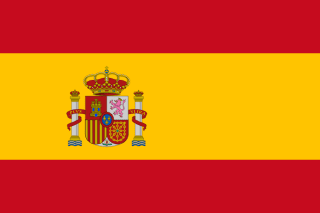


A. Key Information
Capital & Region
Madrid , Southern
Europe
Emergency Numbers
Police: 110
Ambulance: 120
Fire: 119
General: 112
Ambulance: 120
Fire: 119
General: 112
Currency & Calling Code
Euro (€) +34
Languages & Population
Spanish ,
Approximately 49.7 million
Driving Side
Right
B. Practical Survival
Connectivity
Good mobile coverage in major cities.
SIM cards usually available on arrival.
SIM cards usually available on arrival.
Payments
Cards widely accepted in commercial hubs.
Cash still preferred in local markets.
Cash still preferred in local markets.
Power Adapters & Plugs
220V / 50Hz
 Type C
 Type F
B. Practical Survival Notes
- Flights: Book into Madrid-Barajas, Barcelona-El Prat, Málaga, Valencia, Seville, or Alicante with flexible tickets if you travel during heatwaves or wildfire season, because route changes and surface transport disruption can follow regional emergency measures. LOW risk of delay, rerouting, or missed connections.
- Airport Transfers: Use licensed airport taxis, official ride-hailing pick-up points, or pre-booked transfers from the terminal forecourt, and confirm any low-emission zone access before going into central Madrid or Barcelona. LOW risk of overcharging, fines, or transfer refusal.
- Car Hire: Hire a vehicle only if the company provides a reflective jacket, warning triangle, and V16 emergency beacon, and verify that the car meets local low-emission zone rules before driving into major city centres. LOW risk of fines or roadside non-compliance.
- Accommodation: Choose hotels with 24-hour reception, climate control, and clear evacuation instructions, and keep one night’s spare cash and a charging bank in case heat, smoke, or power interruption affects your stay. LOW risk of discomfort, relocation, or short-notice room evacuation.
- Attractions & Tours: Reconfirm museum, beach, hiking, and countryside bookings on the day of travel, especially in Catalonia, the Community of Madrid, and inland areas affected by fire or heat alerts, and switch to indoor options if access restrictions appear. LOW risk of cancelled excursions or exposure to fire closures.
- Emergency Exits: Save 112 for emergencies and identify the nearest main road, station, or airport before you enter rural areas, so you can leave quickly if authorities close parks, hills, or road corridors. LOW risk of delayed evacuation.
- Shelter Options: Use your hotel, a shopping centre, or a major station as a shelter-in-place option when smoke, extreme heat, or local disorder interrupts movement, and keep doors and windows shut if authorities advise it. LOW risk of heat injury or smoke exposure.
- Document Security: Carry your passport or a secure copy separately from your wallet, and store scans in encrypted cloud access so you can replace documents quickly if theft or a hotel loss occurs. LOW risk of identity loss or travel interruption.
- Alert Monitoring: Check regional civil protection notices, local council feeds, airline notifications, and official embassy messages before and during each transfer, because Spanish regional warnings can change quickly during wildfires or severe weather. LOW risk of moving into a restricted area.
C. Cultural Red Lines
- Nightlife Conduct: Avoid filming strangers inside bars, clubs, or beach venues without consent, because Spain applies privacy and image rights seriously and staff may eject you or police may fine you for intrusive recording. LOW risk of fines, confrontation, or removal.
- Monarchy Criticism: Do not stage insulting public gestures, placards, or online posts targeting the monarchy, national symbols, or major state institutions at demonstrations or public events, because escalations can trigger police attention and social backlash. LOW risk of arrest, fine, or deportation scrutiny.
- Hate Speech: Do not make racist, antisemitic, anti-LGBT, or extremist remarks in public or on social media, because Spanish law and employers can treat such conduct as punishable hate speech. MODERATE risk of prosecution, fines, or job loss.
- Drug Use: Do not buy or carry narcotics in clubs, on beaches, or around tourist districts such as Barcelona’s beachfront or Madrid’s nightlife zones, because possession can lead to police action and removal from venues or the country. MODERATE risk of arrest, fine, or deportation.
- Alcohol Behaviour: Do not drink to visible excess on streets, in squares, or on late-night transport, because local police and venue staff may intervene quickly in party districts and resort areas. LOW risk of ejection, fine, or injury.
- Dress Codes: Do not enter churches, basilicas, or formal civic buildings in beachwear, bare-chested clothing, or very revealing outfits, because staff can refuse entry and other visitors may react strongly. LOW risk of refusal of entry or severe social backlash.
- Photography Limits: Do not photograph security checkpoints, airport control areas, police operations, or private homes from close range, because officers and residents may object and may demand deletion or identification. LOW risk of device inspection, reprimand, or police questioning.
- Public Affection: Do not use overtly intimate behaviour in conservative family settings, religious processions, or small-town plazas, because this can provoke complaints rather than legal action. LOW risk of social backlash or venue removal.
D. Connectivity
Primary Carriers
- Top Pick: Movistar, Vodafone Spain, and Orange Spain give the broadest national reach, with strong urban and coastal performance across Madrid, Barcelona, Valencia, Málaga, and Seville.
- Budget Pick: Digi Mobil and Yoigo usually offer cheaper data packages, but you should check local 5G and rural coverage before you rely on them outside major cities.
- Coverage Note: The main networks cover most populated corridors well, while remote mountain, inland rural, and some coastal fringe areas can lose signal more quickly during travel.
eSIM Readiness
- Status: Major Spanish networks and many travel eSIM providers support quick activation for short-stay visitors.
- Action: Install and test your eSIM before departure, keep your primary number active for banking verification, and carry a second data option if you will drive through rural regions.
- Registration: Spain generally requires ID registration for SIM activation, so keep your passport ready when you buy a local physical SIM or complete eSIM identity checks.
Essential Apps
- Transport: Use Renfe for rail, EMT Madrid and TMB Barcelona for city transport, and official taxi or ride-hailing apps for airport runs and night transfers.
- Communication: Travellers widely use WhatsApp for calls and messaging, and many hotels and tour operators answer quickly through it.
- Payment: Retail terminals widely accept Visa, Mastercard, Apple Pay, and Google Pay, while small bars and rural businesses may still prefer cards with chip-and-PIN or occasional cash.
Offline Map Guidance
- Action: Download Google Maps or Maps.me for Madrid, Barcelona, your coast, and any hiking zone before you leave hotel Wi-Fi.
- Navigation Tip: Save your airport, station, accommodation, and embassy pins offline, because road closures or wildfire cordons can change routing without notice.
Digital Restrictions & VPNs
- Banned Apps: Spain does not block mainstream social, messaging, or mapping platforms in normal travel conditions.
- VPN Status: Travellers can generally use VPNs legally for privacy and work access.
- Recommendation: Use a reputable VPN on public Wi-Fi, but keep bank logins and two-factor authentication available on your trusted device and number.
Wi-Fi & Workspaces
- Availability: Airports, rail stations, hotels, cafés, malls, and many co-working spaces provide free or paid Wi-Fi in Madrid, Barcelona, and other major cities.
- Security: Avoid banking on open café networks without a VPN, and prefer hotel business centres or co-working desks for sensitive calls and file transfers.
E. Potential Scams
- Beach Bar Tabs: Watch for nightlife venues in Barcelona’s beachfront districts, Palma, Ibiza, and Alicante that add surprise service charges or inflate the final bill after repeated drink rounds. MODERATE risk of overpayment or card dispute difficulty.
- Taxi Route Games: Be cautious in Madrid, Barcelona, Málaga, and airport queues where drivers may claim traffic problems and take longer routes if you do not insist on a meter or a pre-agreed fare. LOW risk of inflated fares.
- Fake Tour Sellers: Ignore unlicensed street sellers around Sagrada Família, Park Güell, La Rambla, the Alhambra approaches, and resort promenades who offer last-minute tickets or “fast-track” access. MODERATE risk of counterfeit tickets or failed entry.
- Pickup Crowds: Watch your phone and wallet in busy metro hubs, train stations, and sightseeing queues in Barcelona, Madrid, and Seville, where distraction theft often targets visitors during boarding or photo moments. HIGH risk of wallet or device loss.
- Currency Swaps: Count change carefully in busy bars, kiosks, and late-night kiosks, because incorrect notes, short change, or fast handovers can cause small cash losses. LOW risk of repeated petty loss.
- Dating-App Meets: Treat first meetings arranged through dating apps in nightlife districts as a payment risk, because some groups steer visitors into expensive bars or fixed-price venues near party streets. MODERATE risk of inflated bills or pressured spending.
- Phone Support Calls: Treat unsolicited calls or messages that claim to be from banks, parcel firms, or government offices as suspicious, because criminals often seek one-time passwords or card details from foreign visitors. MODERATE risk of account compromise or identity theft.
F. Things To Watch Out For
- Wildfire Belt: Monitor inland areas around Madrid, Ávila, Catalonia, and other dry rural zones during heatwaves, because fast-moving fires can close roads, hiking routes, and whole districts at short notice. HIGH risk of evacuation or travel disruption.
- Active 2026 Fire Season: Spain declared a national emergency in the Madrid region during summer 2026 amid one of its most severe wildfire seasons on record, with recurring evacuations across Toledo, Ávila, and Castellón. HIGH risk of sudden regional lockdown or evacuation.
- Heat Stress: Watch official heat alerts across the centre, south, and Mediterranean coast, because extreme temperatures can affect older travellers, children, drivers, and anyone walking long distances. HIGH risk of dehydration or heat illness.
- Water Safety: Treat beaches, river mouths, and pools as active hazard zones when local warnings or strong surf appear, because drownings and sudden currents remain a recurring seasonal problem. HIGH risk of drowning or serious injury.
- Urban Theft: Expect the highest petty theft pressure in Barcelona, Madrid, and the busiest resort strips, especially on crowded transport, outdoor terraces, and around landmark attractions. MODERATE risk of theft or document loss.
- Transport Disruption: Watch for rail delays, local road closures, and airport surface-access problems when regional strikes, weather, or fire cordons affect Madrid-Barajas, Barcelona-El Prat, or coastal routes. MODERATE risk of missed connections.
- Festival Crowding: Follow crowd density carefully during major fiestas, concerts, and religious processions, because packed streets can slow evacuation and increase pickpocketing pressure. MODERATE risk of injury or theft.
- Power and Signal Gaps: Expect occasional mobile or local service interruption in remote inland zones, mountain routes, and fire-affected areas, especially when emergency crews prioritise access. LOW risk of communication loss.
- Low Emission Zones: Watch the warning signs in major city centres, because unauthorised vehicles can trigger fines if you enter or park inside a regulated zone without checking local rules first. LOW risk of fines.
G. Dos
- Basic Spanish: Learn simple greetings, transport phrases, and emergency words before arrival, because staff and officials respond faster when you can explain needs clearly in Spanish. LOW risk of misunderstanding or delayed help.
- ID Carrying: Keep your passport or a secure copy on you when you move between airports, hotels, and major cities, because police checks and hotel registration can require identification. LOW risk of administrative delay.
- Insurance Cover: Buy comprehensive travel insurance that covers medical care, wildfire disruption, cancellation, and car-hire liability, because you may need to pay upfront and reclaim costs later. MODERATE risk of unreimbursed expense.
- Alert Apps: Register with your embassy or travel notification service and keep Spain’s local emergency and civil protection alerts enabled on your phone. LOW risk of missing critical safety updates.
- Cash Backup: Carry a modest amount of euro cash for rural cafés, taxis, and small shops, while using cards for larger payments in cities. LOW risk of payment refusal or delay.
- Timed Travel: Build extra time into rail, motorway, and airport transfers during summer and festival periods, because Spanish cities can become congested and punctuality matters for reserved services. LOW risk of missed reservations.
- Cautious Swimming: Choose lifeguarded beaches and check surf, flag, and local warning signs before entering the water. HIGH risk of drowning or rescue intervention.
H. Don'ts
- Loud Transit Use: Do not speak loudly on trains, in coach sections, or in church-adjacent quiet areas, because locals value restraint and staff may correct disruptive behaviour. LOW risk of social friction or removal.
- Street Solicitors: Do not engage with persistent touts, fake promoters, or unofficial ticket sellers outside major attractions, nightlife streets, and transport hubs. MODERATE risk of fraud or intimidation.
- Walking Meals: Do not assume you can eat or drink while moving through every public space, because some restaurants, transit areas, and civic venues expect seated consumption and orderly conduct. LOW risk of embarrassment or refusal of service.
- Finger Pointing: Do not point directly at people, staff, or officials with one finger when you ask questions, because an open-handed gesture reads as more polite and less confrontational. LOW risk of offence.
- Sacred Spaces: Do not enter churches, monasteries, or procession routes while ignoring dress expectations, flash restrictions, or quiet zones. LOW risk of refusal of entry or severe social backlash.
- Protest Attendance: Do not join demonstrations, labour protests, or politically charged gatherings as a casual spectator, because police can redirect crowds and authorities may question foreign visitors. MODERATE risk of detention, delay, or deportation scrutiny.
- Beach Risk Taking: Do not dive into unknown water, swim near river mouths, or ignore red-flag warnings on beaches and pool areas. HIGH risk of drowning or major injury.
I. Special Considerations
- Disaster Alerts: Spain uses strong regional and national alert systems for fires, heat, floods, and civil protection warnings, so your phone and accommodation should stay ready to receive short-notice instructions. LOW risk of missing urgent evacuation advice.
- Building Standards: Modern Spanish buildings and tourist infrastructure generally meet solid safety standards, but older rural properties, beach apartments, and historic centres can still create stairs, heat, or smoke challenges. LOW risk of access difficulty or discomfort.
- Crowding Pressure: Barcelona, Madrid, Valencia, Seville, and the Balearic and Canary Islands can feel heavily crowded in summer, festivals, and cruise days, which increases queues, noise, and petty theft pressure. MODERATE risk of delay or theft.
- Ageing Demographics: Spain’s ageing population shapes service speed, healthcare demand, and the rhythm of small-town life, so some rural areas close earlier and offer fewer late-night options. LOW risk of limited services after hours.
- Punctuality Norms: Major transport runs to published schedules, but restaurant, social, and regional timing often feels more flexible than in Northern Europe, so you should confirm booking windows and arrival buffers. LOW risk of missed reservations.
- Healthcare Access: Private clinics and hospitals in major cities offer good care, but visitors may face upfront payment or card guarantees unless their insurance arranges direct billing. MODERATE risk of out-of-pocket expense.
- Smoking Rules: Spain restricts smoking in many enclosed public spaces and some outdoor areas, so you should check local signage before lighting up on terraces, beaches, or transport platforms. LOW risk of fines or ejection.
- Tattoo Facilities: Some pools, spas, and religious or municipal facilities still treat visible tattoos with caution or ask for cover in certain contexts, so you should check venue rules in advance. LOW risk of refusal of entry or awkward confrontation.
- Healthcare Costs: Medical facilities expect you to pay out of pocket for non-urgent care. Consult your insurance provider before seeking treatment to understand coverage, co-pays, and reimbursement procedures. For emergencies, seek treatment first and contact your insurer immediately. HIGH risk of severe medical debt or delayed treatment.
- Travel Insurance Requirement: Purchase comprehensive travel insurance that includes emergency medical evacuation, repatriation, and trip cancellation. Verify your policy covers all planned activities and destinations. EXTREME risk of financial loss during a crisis.