


A. Key Information
Capital & Region
Rome , Europe
Emergency Numbers
Police: 110
Ambulance: 120
Fire: 119
General: 112
Ambulance: 120
Fire: 119
General: 112
Currency & Calling Code
Euro (EUR) +39
Languages & Population
Italian (official), regional languages in specific
areas , Approximately 59 million
Driving Side
Right
B. Practical Survival
Connectivity
Good mobile coverage in major cities.
SIM cards usually available on arrival.
SIM cards usually available on arrival.
Payments
Cards widely accepted in commercial hubs.
Cash still preferred in local markets.
Cash still preferred in local markets.
Power Adapters & Plugs
220V / 50Hz
 Type C
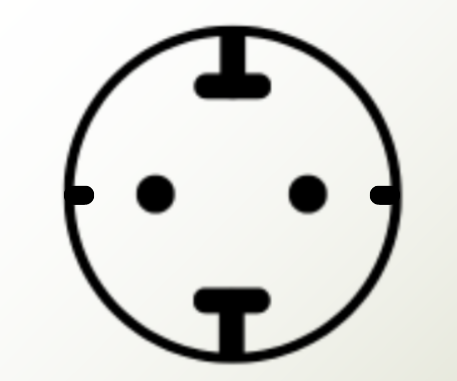 Type F
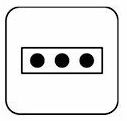 Type L
B. Practical Survival Notes
- Flights: Choose direct flights into major hubs such as Rome Fiumicino (FCO), Milan Malpensa (MXP) or Venice Marco Polo (VCE) and allow extra time for security checks, passport control and potential summer congestion. MODERATE risk of missed connections or delays.
- Airport Transfers: Pre‑book licensed airport transfers or use official taxis and airport trains such as the Leonardo Express in Rome or Malpensa Express in Milan, avoiding unlicensed drivers in arrivals halls. MODERATE risk of overcharging or unsafe transport.
- Car Hire: Reserve reputable car hire companies at airports or central stations and photograph existing vehicle damage, while familiarising yourself with ZTL (limited traffic zones) rules in historic centres before driving. MODERATE risk of fines, disputes or accidents.
- Accommodation: Select accommodation with good reviews in central but not isolated areas, and use room safes for passports and high‑value items while confirming 24‑hour reception or security where possible. MODERATE risk of theft or limited support during incidents.
- Attractions & Tours: Book tickets for major attractions such as the Colosseum, Vatican Museums, Uffizi Gallery or Pompeii in advance through official channels and join small, licensed tours to reduce queuing and exposure to touts. MODERATE risk of scams, overcrowding or heat‑related illness.
- Emergency Evacuation Routes: Identify nearest hospital, police station and main roads or rail lines from your accommodation, and keep a printed map noting alternate routes to major airports like FCO, MXP or Naples Capodichino (NAP) in case of strikes or local disruptions. LOW risk of becoming stranded during an emergency.
- Shelter‑in‑Place Options: Confirm that your hotel or apartment has secure doors, emergency lighting and clear fire exits, and plan an internal room away from street‑level windows as a short‑term shelter‑in‑place point during civil unrest or severe storms. LOW risk of injury during external disturbances.
- Emergency Kits: Prepare a compact kit with water, basic medicines, high‑energy snacks, a torch, power bank and a copy of key documents, tailoring contents for heatwaves or heavy rain if you travel in summer or autumn. MODERATE risk of health complications or inability to move during disruptions.
- Document Security: Carry a photocopy or digital scan of your passport and visa while keeping the original in a hotel safe whenever feasible, and separate payment cards between person and luggage to reduce single‑point loss. HIGH risk of financial loss or administrative complications after theft.
- Monitoring Official Alerts: Regularly check your home government’s travel advisories and Italy‑specific alerts from local authorities, and install regional weather or civil protection apps that issue notifications on heatwaves, floods or seismic events. MODERATE risk of being caught unaware by fast‑moving hazards.
- Local Transport Planning: Use high‑speed trains for inter‑city travel and avoid unregulated ride‑sharing offers around major stations such as Roma Termini, Milano Centrale or Napoli Centrale, planning journeys to arrive before late night. MODERATE risk of theft or harassment on poorly controlled services.
- Cash and Payment Logistics: Carry a mix of cards and modest cash in euros, using ATMs inside banks and keeping a backup card separate from your main wallet to manage payment continuity. MODERATE risk of card cloning or temporary inability to pay.
- Health Access Preparation: Verify your travel insurance’s coverage for private and public healthcare in Italy and note emergency numbers (112 for general emergencies) plus nearby hospitals in the cities you visit. MODERATE risk of high out‑of‑pocket medical costs.
- Contingency for Strikes: Check for planned transport or public sector strikes, especially affecting trains, buses or airports, and build flexible buffer days or alternate routes into your itinerary. MODERATE risk of sudden itinerary disruption.
C. Cultural Red Lines
- Respect for Religious Sites: Dress modestly and behave quietly in churches, particularly major sites like St Peter’s Basilica, Milan Cathedral or Assisi’s basilicas, following posted rules on entry and photography. MODERATE risk of removal from the site or strong social backlash.
- Handling Historical Symbols: Avoid displaying or joking about fascist, Nazi or extremist symbols and slogans, including the Roman salute, which authorities and locals treat as highly offensive and potentially unlawful. HIGH risk of arrest or fines.
- Political Commentary in Public: Refrain from aggressive or provocative statements about Italian political parties, migration, or sensitive historical events when in bars, trains or public squares, especially during demonstrations. MODERATE risk of confrontation or police intervention.
- Treatment of Monuments and Heritage: Do not sit, climb or deface fountains, statues or archaeological remains such as the Colosseum, Roman Forum or Pompeii walls, even for photos, as authorities actively prosecute such acts. HIGH risk of heavy fines or criminal charges.
- Alcohol Consumption Laws: Avoid public drunkenness, drinking in prohibited public areas and carrying open bottles near schools or certain historic zones where local by‑laws restrict consumption. MODERATE risk of fines or police questioning.
- Drug Use and Possession: Do not purchase, carry or use illegal narcotics, including cannabis, as enforcement remains strict and penalties escalate for trafficking or supply offences. HIGH risk of arrest, prosecution and deportation.
- Respect for Local Quiet Hours: Keep noise levels low in residential streets during late evening and early night, avoiding loud music or shouting outside bars and holiday rentals in historic centres. MODERATE risk of fines or eviction from accommodation.
- Photography of Sensitive Areas: Avoid photographing military facilities, secure government buildings, certain border infrastructure or visible security staff in a way that appears intrusive. MODERATE risk of questioning or device inspection.
- Public Displays of Affection: Exercise discretion with intimate displays of affection in conservative or rural areas, and near religious sites, even though moderate affection is generally accepted in cities. LOW risk of social backlash or verbal confrontation.
- Gestures and Insults: Do not use offensive hand gestures or coarse language directed at locals, particularly in traffic disputes or football‑related conversations, as tempers can escalate quickly. MODERATE risk of physical altercation.
- Social Media Content: Avoid posting mocking or disrespectful content about Italian culture, religion, or current political issues while geotagged in Italy, especially if you identify local individuals or businesses. MODERATE risk of reputational harm or legal complaints.
- Behaviour During Religious Events: During major religious ceremonies, processions or papal events in Rome, respect crowd control measures, avoid disruptive behaviour and do not treat sacred rites as mere entertainment. MODERATE risk of removal from the area or police attention.
- Modesty in Small Towns: In smaller towns and villages, avoid overly revealing clothing in everyday settings, particularly when entering municipal buildings or family‑run establishments. LOW risk of social disapproval affecting service quality.
D. Connectivity
Primary Carriers
- Top Pick: Choose TIM or Vodafone for strong nationwide 4G and growing 5G coverage, especially if you travel between Rome, Milan, Florence and Naples.
- Budget Pick: Select Iliad or WINDTRE if you prioritise lower prices and mainly stay in urban or suburban areas.
- Coverage Note: Confirm coverage maps before visiting remote alpine regions, rural Sicily or lesser‑known coastal areas where signals may drop.
eSIM Readiness
- Status: Check whether your handset supports eSIM and confirm with major Italian carriers that they provide tourist‑friendly eSIM plans.
- Action: Purchase an eSIM or physical SIM soon after arrival at airports or city shops to secure local data at predictable costs.
- Registration: Present your passport and complete basic registration details when you buy a SIM or eSIM in retail outlets.
Essential Apps
- Transport: Install apps such as Trenitalia, Italo, regional transport apps, and local taxi or ride‑hailing services to manage trains, buses and licensed cars.
- Communication: Use WhatsApp, Telegram or Signal for messaging and calls, as residents and service providers respond quickly on these platforms.
- Payment: Add your cards to Apple Pay or Google Pay and keep your bank’s app active to authenticate transactions and monitor card activity.
Offline Map Guidance
- Action: Download offline map areas for cities and regions you plan to visit so you can navigate narrow streets and rural roads without active data.
- Navigation Tip: Mark key points such as your accommodation, train stations and meeting locations in advance to reduce confusion in crowded or poorly signed zones.
Digital Restrictions & VPNs
- Banned Apps: Verify whether your home banking or streaming apps function in Italy and plan alternatives if licensing limits access.
- VPN Status: Use reputable VPN services for privacy and secure connections, but avoid using them to engage in activities that contravene Italian or EU law.
- Recommendation: Activate a VPN on public networks, choose European servers for better performance, and test critical services like email and cloud storage before travel.
Wi-Fi & Workspaces
- Availability: Rely on Wi‑Fi offered by hotels, cafés, libraries and co‑working spaces in major cities when you need heavier data use.
- Security: Enable two‑factor authentication, avoid sensitive financial operations on unsecured networks, and use encrypted messaging to reduce interception risk.
E. Potential Scams
- Restaurant Overcharging in Tourist Zones: In areas such as central Rome, Venice’s San Marco and Florence’s historic centre, some restaurants add unexpected cover charges, inflated service fees or charge for unsolicited bread. MODERATE risk of financial loss.
- Taxi Fare Manipulation: Around airports, major stations and nightlife districts, a minority of taxi drivers may avoid metres, take longer routes or misstate fixed fares, particularly with non‑Italian speakers. HIGH risk of overpayment.
- Currency "Drop and Swap" near ATMs: In busy spots around Roma Termini, Milano Centrale or Venice’s Piazzale Roma, scammers may offer help at ATMs and swap genuine notes for lower‑value bills or counterfeit currency. HIGH risk of cash loss.
- Fake Ticket Sellers at Attractions: Individuals around the Colosseum, Vatican Museums, Uffizi or Pompeii may sell unofficial or partially valid tickets and "skip‑the‑line" passes that do not match entry rules. HIGH risk of denied entry and monetary loss.
- Nightlife Drink Scams: In party areas of Rome’s Trastevere, Milan’s Navigli or coastal resorts, certain bars may charge extreme prices for drinks ordered without clear menus, and there is a risk of spiked drinks in crowded venues. HIGH risk of financial loss or personal harm.
- Unlicensed Tour Guides: Around major landmarks, informal guides may claim official status without certification and provide poor‑quality tours or demand higher payment than agreed. MODERATE risk of overcharging and wasted time.
- Street Charity and "Friendship" Bracelets: Around tourist hubs, individuals may place bracelets on your wrist or press small items into your hand and then insist aggressively on payment or donation to a vague cause. MODERATE risk of unwanted charges.
- Counterfeit Goods in Markets: In some street markets and beach areas, vendors sell counterfeit luxury items while implying legitimacy, exposing buyers to confiscation and wasted expenditure. MODERATE risk of goods seizure and financial loss.
- Online Apartment Listings: On classified platforms and social media, fraudulent listings for holiday apartments can request bank transfers before you verify ownership or genuine booking channels. HIGH risk of losing prepaid accommodation funds.
- Ticket Resale Platforms: Third‑party websites for trains, ferries or events may charge high booking fees or issue tickets with restrictive conditions not obvious at purchase. MODERATE risk of extra costs and travel disruption.
- Phone and Email Phishing Targeting Tourists: Scammers sometimes call or email visitors claiming to be from hotels, airlines or police and request card details or remote access to "solve" problems. HIGH risk of identity theft and card fraud.
F. Things To Watch Out For
- Terrorism Threat in Crowded Spaces: Authorities highlight an ongoing terrorism risk affecting transport hubs, religious sites and large public gatherings, including around Rome, Milan and other major cities. MODERATE risk of mass‑casualty incidents.
- Petty Crime in Tourist Areas: Pickpocketing and bag‑snatching frequently occur around central train stations, metro lines, buses and busy attractions such as Rome’s historic centre, Florence’s Duomo area and Venice’s vaporetto routes. HIGH risk of theft.
- Heatwaves and Drought: Summer heatwaves, particularly in southern regions and coastal tourist belts like the Amalfi Coast, Sicily and Puglia, can combine with drought to strain water supplies and increase wildfire risk. MODERATE risk of heat‑related illness and travel disruption.
- Heavy Rain and Localised Flooding: Autumn and winter storms can trigger localised flooding and landslides, especially in mountainous and riverine areas in the north and central regions. MODERATE risk of transport delays and hazardous journeys.
- Seismic Activity and Volcanic Risk: Italy experiences earthquakes and has active volcanoes such as Vesuvius and Etna, with potential impact on nearby urban centres, roads and tourist sites. MODERATE risk of injury and infrastructure damage.
- Crowd Crush Risk in Peak Season: High visitor volumes in popular cities and religious events in Rome, including papal ceremonies, can create dense crowds, bottlenecks and crowd‑control measures that complicate movement. MODERATE risk of minor injuries and separation from companions.
- Demonstrations and Labour Strikes: Protests and strikes occasionally affect central squares and public services, especially transport networks, causing sudden closures or heavy police presence. MODERATE risk of itinerary disruption and incidental exposure to unrest.
- Regional Crime Variations: Some neighbourhoods on the outskirts of large cities, and parts of Naples and other southern urban areas, experience higher rates of street crime and organised theft. MODERATE risk of robbery or intimidation.
- Language Barriers Outside Tourist Zones: In remote towns and non‑tourist districts, limited English proficiency can slow emergency responses and complicate navigation or medical consultations. LOW risk of miscommunication.
- Seasonal Coastal Hazards: Strong currents, rough seas and cliffside paths along coasts such as Cinque Terre or Amalfi can pose risks to swimmers and hikers, especially during storms or off‑season conditions. MODERATE risk of falls or drowning.
- Infrastructure Strain in Historic Centres: Ageing buildings, narrow streets and older transport infrastructure in historic districts sometimes amplify impacts from floods, fires or structural incidents. MODERATE risk of building‑related hazards.
G. Dos
- Learn Basic Italian Phrases: Do learn simple greetings, polite forms and emergency phrases to ease interactions with locals and authorities, especially outside major tourist centres. LOW risk of miscommunication.
- Carry Identification at All Times: Do keep your passport or a high‑quality copy and additional ID with you, particularly when checking into accommodation or dealing with police checks. MODERATE risk of administrative issues or delays.
- Use High‑Speed Trains for Inter‑City Travel: Do prioritise high‑speed services between major cities such as Rome, Milan, Naples and Florence to reduce driving stress and exposure to road hazards. LOW risk of transport accidents.
- Purchase Comprehensive Travel Insurance: Do arrange insurance that covers medical care, theft, cancellation and disruption, including coverage for sporting activities or car hire as needed. HIGH risk of substantial financial loss without coverage.
- Download Offline Maps and Transport Apps: Do save offline maps and install train and local transport apps before travel to navigate stations and historic centres efficiently. MODERATE risk of becoming disoriented or delayed.
- Register with Your Embassy or Notification Service: Do sign up for your country’s travel registration or alert system if available, so you receive security updates and can be contacted in a crisis. MODERATE risk of missing critical information during incidents.
- Observe Queuing and Public Space Etiquette: Do queue orderly, lower your voice on public transport and avoid blocking pavements or entrances, especially in busy tourist areas. LOW risk of social friction.
- Plan for Weather and Seasonal Hazards: Do check local forecasts and civil protection bulletins and adjust outdoor activities during heatwaves, storms or high fire risk periods. MODERATE risk of weather‑related illness or disruption.
- Secure Valuables Proactively: Do use hotel safes, anti‑theft bags and money belts, and keep phones out of easy reach on tables in busy cafés or trains. HIGH risk of losing essential valuables to theft.
- Respect Local Mealtimes and Customs: Do adapt to Italian meal schedules and expectations around dining length and tipping, which supports smoother service and reduces misunderstandings. LOW risk of minor disputes or service issues.
- Stay Informed About Strikes and Protests: Do monitor news and local advisories for announcements of strikes or demonstrations that could affect your movements and bookings. MODERATE risk of stranded travel plans.
- Carry Small Cash for Minor Purchases: Do keep modest euro amounts for small cafés, rural shops and tips, even though cards function well in most cities. LOW risk of inconvenience at cash‑preferring businesses.
H. Don'ts
- Do Not Ignore Pickpocket Risks: Do not leave bags open or valuables in back pockets on metros, buses or in queues at attractions such as the Colosseum, Vatican or main stations. HIGH risk of theft.
- Do Not Engage with Aggressive Street Vendors: Do not follow or argue with persistent street sellers or unofficial guides around major landmarks, and instead walk away firmly. MODERATE risk of harassment or scams.
- Do Not Join Protests or Political Rallies: Do not participate in or linger near demonstrations, marches or heated political gatherings, even if they appear peaceful. MODERATE risk of injury or police involvement.
- Do Not Swim Outside Marked Areas: Do not enter the sea during red‑flag conditions or outside supervised zones on busy beaches, particularly along rugged coasts. HIGH risk of drowning or injury.
- Do Not Climb or Sit on Historic Structures: Do not mount onto fountains, statues, walls or ruins for photos or rest, especially in Rome, Florence, Venice or Pompeii. HIGH risk of fines or criminal proceedings.
- Do Not Leave Bags Unattended in Public: Do not place luggage or backpacks out of sight in stations, trains or cafés, as this invites theft and may trigger security concerns. HIGH risk of loss and security scrutiny.
- Do Not Ignore Local Weather Warnings: Do not continue hikes, coastal walks or outdoor excursions when authorities issue severe weather alerts or close trails. MODERATE risk of accidents and rescue operations.
- Do Not Rely Solely on Cards in Remote Areas: Do not assume all smaller establishments accept card payments, especially in rural villages or older family‑run venues. LOW risk of being unable to pay.
- Do Not Use Unlicensed Accommodation Offers: Do not accept last‑minute room offers from strangers at stations or airports without verification and proper booking records. HIGH risk of scams or unsafe lodging.
- Do Not Display Large Amounts of Cash: Do not count or show large sums of money openly in markets, bars or on public transport. HIGH risk of targeted theft.
I. Special Considerations
- Strong but Varied Infrastructure Quality: Italy maintains robust transport and healthcare systems with modern high‑speed rail and reputable hospitals, though older infrastructure in some historic centres may respond less effectively to extreme weather or seismic events. MODERATE risk of localised service disruption.
- Heightened but Routine Security Posture: Authorities sustain an elevated security stance due to wider European terrorism risks, resulting in visible checks at stations, airports and major events without indicating imminent threats. LOW risk of arbitrary interference for compliant travellers.
- Seasonal Tourism Peaks and Crowding: Summer and major religious periods bring intense visitor influxes to Rome, Venice, Florence and coastal resorts, raising crowding, booking scarcity and petty crime opportunities. MODERATE risk of reduced comfort and higher incident likelihood.
- Healthcare Access and Payment Expectations: Public healthcare offers competent service but may involve waits, while private clinics expect prompt payment and insurance documentation, particularly from foreign nationals. MODERATE risk of delay or significant costs.
- Schengen Area Entry and Passport Rules: Italy follows Schengen regulations, limiting short‑stay durations and enforcing passport validity rules, which border officers apply firmly at airports and land crossings. MODERATE risk of denied boarding or entry for non‑compliant documents.
- Ongoing Environmental Pressures: Drought, pollution in some urban basins and climate‑related events influence water availability, air quality and disaster responses, particularly during prolonged heatwaves. MODERATE risk of health discomfort and travel constraints.
- Ageing Population and Service Culture: An ageing demographic and strong family‑oriented culture shape service expectations, with formality in some settings and reliance on cash or in‑person processes in smaller enterprises. LOW risk of minor administrative friction.
- Smoking Regulations and Public Norms: Smoking restrictions apply in enclosed public spaces, but outdoor smoking remains common, especially at café terraces and station platforms. LOW risk of discomfort for non‑smokers.
- Digitalisation with Remaining Paper Processes: Many services, especially in major cities, support online bookings and digital payments, yet certain municipal or small‑business interactions still require paper forms or in‑person arrangements. LOW risk of inconvenience for travellers used to fully digital systems.
- Natural Hazard Preparedness and Building Codes: Italy invests in seismic and hydrogeological risk management, but the mix of historic and modern constructions means resilience varies by region and building age. MODERATE risk of uneven protection during major events.
- Healthcare Costs: Medical facilities expect you to pay out of pocket for non-urgent care. Consult your insurance provider before seeking treatment to understand coverage, co-pays, and reimbursement procedures. For emergencies, seek treatment first and contact your insurer immediately. HIGH risk of severe medical debt or delayed treatment.
- Travel Insurance Requirement: Purchase comprehensive travel insurance that includes emergency medical evacuation, repatriation, and trip cancellation. Verify your policy covers all planned activities and destinations. EXTREME risk of financial loss during a crisis.