


A. Key Information
Capital & Region
Mexico City , North
America
Emergency Numbers
Police: 110
Ambulance: 120
Fire: 119
General: 112
Ambulance: 120
Fire: 119
General: 112
Currency & Calling Code
Mexican peso (MXN) +52
Languages & Population
Spanish ,
Approximately 130.9 million
Driving Side
Right
B. Practical Survival
Connectivity
Good mobile coverage in major cities.
SIM cards usually available on arrival.
SIM cards usually available on arrival.
Payments
Cards widely accepted in commercial hubs.
Cash still preferred in local markets.
Cash still preferred in local markets.
Power Adapters & Plugs
220V / 50Hz
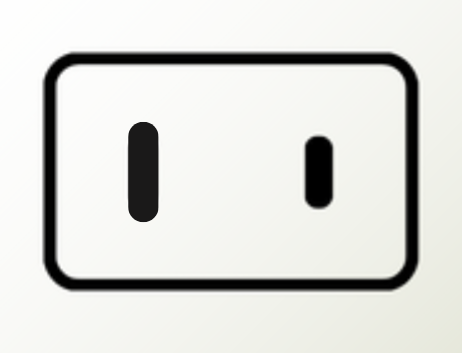 Type A
 Type B
B. Practical Survival Notes
- Flights: Book direct arrivals into major airports such as Mexico City, Cancún, Los Cabos, Guadalajara, or Puerto Vallarta, and avoid unnecessary domestic connections into high-risk states. MODERATE risk of disruption, delay, or diversion if you route through exposed airports or border hubs.
- Airport Transfers: Pre-book a hotel car, vetted ride-hailing pick-up, or authorised airport taxi before landing, and confirm the driver, plate, and fare inside the terminal. HIGH risk of robbery or fare overcharge if you accept unsolicited transport at arrivals.
- Car Hire: Use daylight driving only, keep journeys on main toll roads, and hand back the vehicle before dark rather than driving cross-country through unfamiliar states. HIGH risk of carjacking, extortion, or breakdown response delays if you drive isolated routes.
- Accommodation: Choose international chains or well-reviewed properties with controlled entry, 24-hour reception, secure parking, and backup power in major cities or resort zones. MODERATE risk of theft or shelter-related disruption if you stay in poorly secured lodging.
- Attractions & Tours: Use pre-paid, hotel-arranged, or operator-verified tours for archaeological sites, beaches, and city visits, and avoid ad hoc street operators in transit corridors. HIGH risk of scams, poor supervision, or route exposure if you buy from unverified sellers.
- Evacuation Route: Keep a same-day exit option via the nearest major airport or a land border crossing you have already mapped, and do not rely on a single transport provider. HIGH risk of being stranded if unrest, roadblocks, or crime spikes disrupt local movement.
- Shelter Plan: Identify a hotel room, office, or shopping mall where you can stay inside for several hours if local violence, flooding, or protest activity interrupts movement. MODERATE risk of exposure in the street if you have no place to wait safely.
- Document Control: Carry a passport copy separately from the original, store digital scans in encrypted cloud storage, and keep immigration and insurance details accessible offline. MODERATE risk of delayed assistance or identity theft if you lose documents.
C. Cultural Red Lines
- Police Interaction: Present your passport copy calmly if stopped and keep all responses short, factual, and respectful. MODERATE risk of fines, detention delays, or harassment if you argue or appear evasive.
- Drug Possession: Do not carry cannabis, vaping liquids with unknown ingredients, or any narcotics across borders or into nightlife venues. EXTREME risk of arrest, deportation, or long legal proceedings if officers find controlled substances.
- Political Expression: Avoid slogans, symbols, or insults aimed at the government, security forces, or political parties in public gatherings and on social media. HIGH risk of arrest, confrontation, or severe social backlash if you cross political lines.
- Religious Spaces: Dress modestly, speak quietly, and follow local instructions at churches, shrines, and pilgrimage sites. MODERATE risk of public reprimand, refusal of entry, or social offence if you act casually in sacred places.
- Photography Limits: Ask before filming police, security posts, private homes, market staff, or children, especially near sensitive infrastructure and border areas. HIGH risk of confrontation, equipment seizure, or police attention if you record restricted subjects.
- Public Affection: Keep kissing, intimate touching, and sexually explicit displays discreet in conservative towns and family venues. MODERATE risk of social backlash or removal from venues if your behaviour draws attention.
- Alcohol Use: Follow local closing times and venue rules, and never drive after drinking even a small amount. HIGH risk of arrest, crashes, or extortion if you ignore alcohol laws or road controls.
- Online Posting: Do not publish live location details, hotel names, or photos showing valuables, cash, or route plans in real time. HIGH risk of targeted theft, stalking, or extortion if criminals use your posts to profile you.
D. Connectivity
Primary Carriers
- Top Pick: Telcel covers the widest area and usually performs best on intercity routes, resort corridors, and many smaller towns.
- Budget Pick: AT&T Mexico often gives strong urban data speeds and practical prepaid options for short stays.
- Coverage Note: Movistar can work well in cities, but remote highways, mountain areas, and some border or conflict-affected zones can show weaker service.
eSIM Readiness
- Status: Major international eSIM providers usually support Mexico, and many travellers can activate service before arrival.
- Action: Buy a backup eSIM before departure and keep a physical SIM option ready in case you need local registration or better rural coverage.
- Registration: Mexico usually lets travellers buy prepaid SIMs with a passport at official shops, and operators may ask for identity details for activation.
Essential Apps
- Transport: Use Uber, DiDi, and in some cities official airport taxi apps or hotel booking tools for pre-arranged transfers.
- Communication: Use WhatsApp for local messaging, Telegram for some group coordination, and standard phone calls for hotel and driver confirmation.
- Payment: Use bank card apps, Apple Pay, Google Pay, and your bank's fraud controls; many merchants still prefer card or cash depending on location.
Offline Map Guidance
- Action: Download Google Maps and Maps.me for your arrival city, hotel zone, airport route, and any road transfer before you lose signal.
- Navigation Tip: Save toll-road routes, border crossings, and your hotel pin offline so you can reroute quickly if coverage drops.
Digital Restrictions & VPNs
- Banned Apps: Mexico does not impose broad nationwide blocks on mainstream foreign apps, but some employer or venue networks may restrict streaming or VoIP.
- VPN Status: Travellers can usually use VPNs legally for personal security and remote work, provided they do not use them for illegal conduct.
- Recommendation: Use a reputable VPN on public Wi-Fi, but keep mobile banking and sensitive logins on your own data connection where possible.
Wi-Fi & Workspaces
- Availability: Airports, malls, hotel chains, cafés, and many co-working spaces provide free or paid Wi-Fi in major cities and resort areas.
- Security: Treat open networks as untrusted, disable automatic connection, and avoid financial transactions on shared Wi-Fi unless you use a VPN and two-factor authentication.
E. Potential Scams
- Taxi Padding: Unlicensed taxi drivers around airports, nightlife strips, and bus terminals may inflate fares, claim a broken meter, or reroute the journey. HIGH risk of overpayment, intimidation, or partial robbery if you negotiate on the spot.
- Bar Overcharging: Nightlife zones in Mexico City, Cancún, Playa del Carmen, and resort centres can feature inflated tabs, hidden service charges, and fake premium spirit claims. HIGH risk of financial loss or drink tampering if you accept unordered drinks or do not check the bill closely.
- Fake Booking Sites: Fraudulent hotel, tour, and attraction pages can mimic legitimate operators for beaches, ruins, and day trips, especially on social media marketplaces. HIGH risk of losing card details, deposits, or the full booking fee if you pay an unverified seller.
- Cash Exchange Tricks: Street exchangers and informal kiosks may use sleight-of-hand, short-change methods, or poor rates in airport corridors and city centres. MODERATE risk of cash loss if you exchange money outside banks or official desks.
- Dating-App Set-Ups: Criminals sometimes use dating apps to arrange meetings in bars or private homes and then push theft, extortion, or forced withdrawals. HIGH risk of robbery or blackmail if you meet without verifying the person and venue.
- Ride-Hailing Spoofs: Some offenders pose as drivers outside airports or hotels and try to lure travellers into unregistered vehicles. HIGH risk of kidnapping, theft, or extortion if you enter a car that does not match the app details.
- Online Support Scams: Fake airline, bank, and delivery-support accounts target foreign visitors through social media and messaging platforms with urgent payment or account-reset requests. MODERATE risk of identity theft or account takeover if you share codes or card data.
F. Things To Watch Out For
- State Violence: Colima, Guerrero, Michoacán, Sinaloa, Tamaulipas, and Zacatecas remain the clearest no-go areas, with criminal fighting and foreign visitors sometimes caught in crossfire. EXTREME risk of injury, kidnapping, or death if you enter these states.
- Road Insecurity: Federal and secondary roads outside major corridors can see armed robbery, vehicle interception, and sudden checkpoints, especially at night and in rural areas. HIGH risk of violence or being stranded if you travel without route verification.
- Hurricane Season: The Caribbean and Gulf coasts can face tropical storms, flooding, and transport disruption during the wet season, including airport delays and road closures. MODERATE risk of missed departures or property damage if storms intensify.
- Earthquake Exposure: Central and southern Mexico face recurring seismic activity, and strong tremors can interrupt power, lifts, mobile networks, and building access. HIGH risk of injury or evacuation if you stay in poorly prepared accommodation.
- Urban Petty Crime: Tourist districts, bus terminals, and crowded markets can see pickpocketing, bag snatching, and distraction theft, especially where visitors carry phones openly. MODERATE risk of loss if you move through dense crowds without keeping valuables secured.
- Cash Dependence: Smaller towns, roadside stops, and some taxis still prefer cash, while card terminals may fail during outages or in weak-signal areas. MODERATE risk of service refusal or forced cash withdrawals if you arrive unprepared.
- Health Outbreaks: Gastrointestinal illness, mosquito-borne disease, and heat stress can affect travellers quickly in coastal and inland destinations. MODERATE risk of missed travel days or medical treatment if you ignore hydration and food hygiene.
- Infrastructure Outages: Power cuts, fuel shortages in isolated areas, and telecom drops can affect movement planning, especially after storms or during local disruptions. MODERATE risk of navigation failure or delayed assistance if systems go offline.
G. Dos
- Basic Spanish: Learn essential phrases for transport, medical help, and directions before arrival, and use them with a calm, polite tone. LOW risk of misunderstanding if you can explain where you need to go or what you need.
- Registered Transport: Arrange airport pick-ups through your hotel, airline, or a reputable app, and keep the vehicle details saved on your phone. MODERATE risk of delay or fraud if you rely on random street offers.
- Secure Carry: Keep your passport, insurance, and payment cards in separate places and use a money belt or zipped inner pocket in crowded areas. MODERATE risk of theft impact if one item goes missing.
- Travel Insurance: Buy cover that includes medical evacuation, road incidents, theft, and trip interruption before you leave, and confirm that it covers your planned states. HIGH risk of major out-of-pocket expense if you need private care or repatriation.
- Alert Monitoring: Check official embassy notices, airline advisories, and local weather or civil protection alerts each day, especially if you plan road travel or coastal stays. MODERATE risk of missing urgent changes if you rely only on hotel staff.
- Offline Back-up: Save boarding passes, hotel confirmations, route maps, and emergency contacts offline on at least two devices. LOW risk of being stuck without details if battery or signal fails.
- Cash Split: Carry a mix of small and medium peso notes and keep only limited cash in your wallet for the day. MODERATE risk of loss if a theft or scam hits your main reserve.
- Local Courtesy: Queue neatly, speak at a moderate volume in enclosed spaces, and thank service staff clearly. LOW risk of friction if you match local service expectations.
H. Don'ts
- Do not enter Level 4 states for leisure, and do not improvise side trips into exposed areas because roads can change quickly. EXTREME risk of violent crime or kidnapping if you ignore the state-level warnings.
- Do not accept taxis, minibuses, or private cars from touts outside airports, bars, or terminals when you have not verified the operator. HIGH risk of robbery or assault if you follow an unvetted driver.
- Do not display expensive jewellery, large cameras, or phones while moving through crowded streets, markets, or nightlife districts. HIGH risk of pickpocketing or targeted theft if you signal wealth.
- Do not drive at night on unfamiliar intercity roads, especially after long flights or in rural areas with limited lighting. HIGH risk of collision, roadside crime, or mechanical isolation if you push through after dark.
- Do not argue with police, security staff, or private guards, and do not film them at close range without a clear reason. HIGH risk of escalation, detention, or equipment seizure if you provoke a confrontation.
- Do not eat and walk through busy transport hubs or beach promenades while carrying valuables in open hands or pockets. MODERATE risk of distraction theft if you split attention.
- Do not join protests, convoy blockades, or crowd gatherings about local politics, labour disputes, or sensitive incidents. HIGH risk of arrest, injury, or route disruption if a demonstration turns tense.
- Do not share real-time location posts, hotel check-ins, or departure plans on open social media. HIGH risk of targeted theft, stalking, or opportunistic fraud if criminals can track your movements.
I. Special Considerations
- State-by-State Reality: Mexico's risk profile changes sharply by state, so a resort city can feel manageable while a nearby route sits under much higher concern. HIGH risk of bad decisions if you judge the country from one destination alone.
- Tourist Corridors: Cancun, Los Cabos, Mérida, Mexico City, and parts of Oaxaca continue to receive visitors normally, which means you can travel safely in selected areas with tight planning. MODERATE risk of disruption if you assume all destinations share the same security level.
- Urban Density: Large cities combine strong services with congestion, long transfer times, and more pickpocket exposure in stations and markets. MODERATE risk of missed connections or petty theft if you overestimate travel speed.
- Healthcare Access: Private hospitals in major cities often expect up-front payment or strong insurance guarantees, and clinics outside big centres may have limited English support. HIGH risk of large bills or treatment delays if you arrive uninsured.
- Seismic Preparedness: Many buildings and civil protection systems handle earthquakes better than in less prepared countries, but you still need to follow evacuation instructions immediately. MODERATE risk of injury if you ignore local emergency drills or lift use restrictions.
- Informal Economy: Cash still matters in taxis, markets, small restaurants, and rural stops, even when cards work in hotels and chains. MODERATE risk of inconvenience if you rely on a single payment method.
- Punctuality Expectations: Business meetings and airport transfers in major cities often run close to schedule, while informal services can run late without warning. LOW risk of friction if you build buffer time into every movement.
- Smoking and Vaping: Public smoking controls and venue-specific rules can vary, so you should check before lighting up in hotels, bars, or transport areas. MODERATE risk of fines or removal from premises if you smoke where staff forbid it.
- Healthcare Costs: Medical facilities expect you to pay out of pocket for non-urgent care. Consult your insurance provider before seeking treatment to understand coverage, co-pays, and reimbursement procedures. For emergencies, seek treatment first and contact your insurer immediately. HIGH risk of severe medical debt or delayed treatment.
- Travel Insurance Requirement: Purchase comprehensive travel insurance that includes emergency medical evacuation, repatriation, and trip cancellation. Verify your policy covers all planned activities and destinations. EXTREME risk of financial loss during a crisis.