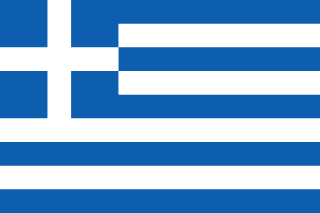


A. Key Information
Capital & Region
Athens , Europe
Emergency Numbers
Police: 110
Ambulance: 120
Fire: 119
General: 112
Ambulance: 120
Fire: 119
General: 112
Currency & Calling Code
Euro (EUR) +30
Languages & Population
Greek , Approximately
9.9 million
Driving Side
Right
B. Practical Survival
Connectivity
Good mobile coverage in major cities.
SIM cards usually available on arrival.
SIM cards usually available on arrival.
Payments
Cards widely accepted in commercial hubs.
Cash still preferred in local markets.
Cash still preferred in local markets.
Power Adapters & Plugs
220V / 50Hz
 Type C
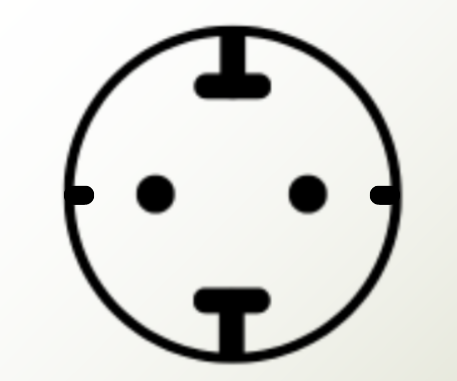 Type F
B. Practical Survival Notes
- Flights: Book flights into Athens International Airport (ATH) or Thessaloniki Airport (SKG) with routing that avoids currently constrained Gulf airspace and allow buffers for possible delays and re-routes. MODERATE risk of missed connections and schedule disruption.
- Airport Transfers: Arrange licensed taxis, hotel shuttles, or pre-booked ride services from ATH and SKG rather than accepting unsolicited offers in arrivals halls, and confirm fares or use metered rides. MODERATE risk of overcharging and exposure to petty crime.
- Car Hire: Reserve reputable car hire from major providers at airports or city locations and inspect vehicles, insurance coverage, and excess terms carefully before driving, especially on island roads. MODERATE risk of financial disputes, road accidents, and liability issues.
- Accommodation: Choose hotels or serviced apartments with strong recent reviews, 24-hour reception, and clear safety protocols, prioritising locations away from frequent protest flashpoints such as Syntagma Square, Omonia, and Exarchia in Athens. MODERATE risk of being caught near demonstrations, noise, or police activity.
- Attractions & Tours: Book guided tours to sites like the Acropolis, Delphi, Meteora, Santorini and Crete through established operators, verify licensing, and confirm cancellation policies for heatwaves, wildfires, or strikes. MODERATE risk of last-minute cancellations, financial loss, and exposure to unsafe conditions.
- Emergency Evacuation Routes: Identify multiple exit routes from your accommodation, know the nearest main roads and ports or airports, and keep a written plan for relocation in case of wildfire, flood, or urban unrest. HIGH risk of entrapment or delayed evacuation during fast-moving environmental or security incidents.
- Shelter-in-Place Options: Confirm where you can safely shelter inside your hotel or office (interior rooms away from glass, higher floors for flood, lower stable areas for fire smoke) and know how staff communicate emergency instructions. MODERATE risk of injury or distress if you respond poorly to sudden unrest or environmental hazards.
- Emergency Kit Preparation: Pack a small kit with water, basic first aid, power bank, torch, high-factor sunscreen, hat, and photocopies of key documents, kept accessible during transfers and excursions. LOW risk of minor medical issues escalating or becoming travel-threatening.
- Document Security: Store passports and spare payment cards in hotel safes or concealed money belts and carry only necessary identification and limited cash during day trips, especially in crowded areas and on public transport. MODERATE risk of identity theft, financial loss, and disrupted onward travel.
- Monitoring Official Alerts: Regularly check foreign-office advisories from your home country and Greek Civil Protection announcements for wildfire, flood, and heat alerts, particularly between late spring and early winter. MODERATE risk of missing evolving hazards and being caught unaware by restrictions or evacuations.
- Local Transport Choices: Use metro, tram, and buses in Athens and Thessaloniki outside major protest times, avoiding stations around Syntagma and Omonia when demonstrations are advertised, and favour ferries with reputable operators for island transfers. MODERATE risk of crowd-related theft and delays.
- Health & Medical Access Planning: Note nearby hospitals, private clinics, and pharmacies near your base, carry any required prescriptions, and keep travel insurance details at hand for direct billing or reimbursement. MODERATE risk of out-of-pocket medical costs and treatment delays.
C. Cultural Red Lines
- Political Demonstration Participation: Avoid joining or filming protests or confrontations near Syntagma Square, Omonia, Exarchia, and other government districts, and do not shout slogans or insult political figures. HIGH risk of police attention, detention, or assault charges.
- Disrespecting Historical Sites: Do not climb restricted areas, deface ruins, or stage provocative photos at archaeological sites such as the Acropolis, Delphi, or ancient theatres, and follow all posted rules. HIGH risk of fines, arrest, and strong public backlash.
- Insulting Greek Identity or Religion: Avoid derogatory comments about Greek Orthodoxy, national history, or sensitive periods such as the military junta era, and refrain from mocking religious ceremonies. MODERATE risk of severe social backlash and potential charges under public order laws.
- Hate Speech and Extremist Symbols: Do not display Nazi or extremist symbols, give fascist salutes, or share supporting content online while in Greece, given European hate-speech and extremism laws. HIGH risk of arrest, prosecution, and deportation.
- Drug Use and Possession: Do not possess or use illegal narcotics, including cannabis, even in nightlife areas of Athens, Thessaloniki, or islands like Mykonos and Ios, as Greek drug laws remain strict. HIGH risk of arrest, long legal proceedings, and imprisonment.
- Public Disorder through Alcohol: Avoid aggressive drunken behaviour, brawls, or vandalism in bars and clubs in districts like Gazi, Psiri, and island party zones, as authorities act firmly against disorder. MODERATE risk of fines, detention, and removal from venues.
- Photography of Sensitive Sites: Do not photograph military installations, certain port facilities, or security forces at close range, and seek permission before filming police operations or court buildings. HIGH risk of questioning, confiscation of equipment, and possible charges.
- Disrespect toward Monuments and Memorials: Avoid sitting on, climbing, or mocking war memorials, religious statues, or commemorative plaques, especially in central squares. MODERATE risk of fines and strong social condemnation.
- Public Displays of Affection in Conservative Areas: Limit overt displays of affection in more conservative rural communities and religious sites, even though major cities are more relaxed. LOW risk of social backlash and refusal of service.
- Online Insults of Local Institutions: Refrain from posting inflammatory or defamatory comments about Greek courts, police, or politicians on social media while identifiable as present in Greece. MODERATE risk of legal complaints and reputational damage.
- Ignoring Local Dress Expectations: Do not enter churches or monasteries like Meteora or island chapels with revealing clothing; cover shoulders and legs appropriately. MODERATE risk of denial of entry and social criticism.
D. Connectivity
Primary Carriers
- Top Pick: Choose Cosmote for primary mobile service to gain strong nationwide 4G/5G coverage across mainland Greece and most major islands.
- Budget Pick: Choose Vodafone Greece or NOVA for lower-cost prepaid plans if you mainly stay in urban centres and tourist islands.
- Coverage Note: Expect weaker signal and occasional dead zones when you travel into remote mountain regions and smaller islands, and plan communications accordingly.
eSIM Readiness
- Status: Confirm eSIM support with Cosmote, Vodafone, or international providers before arrival, as many travellers activate eSIMs for short stays.
- Action: Purchase or activate your eSIM once you land or in advance and test data and voice immediately to avoid delays during airport transfers.
- Registration: Present your passport when you buy a physical SIM from Greek retailers, as staff often request ID for registration and activation.
Essential Apps
- Transport: Install Freenow (formerly Beat) or local taxi apps for urban rides, download the Hellenic Train and ferry operator apps for schedules, and use Google Maps or similar for public transport routing.
- Communication: Use WhatsApp, Viber, and Messenger to stay in touch with local contacts and tour providers, as residents frequently prefer these platforms.
- Payment: Add your cards to Apple Pay or Google Pay and keep your banking app ready, since many shops and restaurants accept contactless payments alongside cash.
Offline Map Guidance
- Action: Download offline map areas for Athens, Thessaloniki, and the islands you visit before departure or when you first connect to strong Wi-Fi.
- Navigation Tip: Mark your accommodation, key transport hubs, and medical facilities in your offline maps to navigate easily during network outages or congested events.
Digital Restrictions & VPNs
- Banned Apps: Check your home country and employer guidance on any restricted apps, as Greece generally allows mainstream Western platforms but compliance policies may differ.
- VPN Status: Use reputable VPN services legally in Greece for corporate access or privacy, while respecting local and foreign cybercrime laws.
- Recommendation: Activate your VPN on unsecured Wi-Fi networks and set multi-factor authentication on key accounts to reduce interception and account-takeover risk.
Wi-Fi & Workspaces
- Availability: Use free Wi-Fi in airports, ferry terminals, cafés, and hotels and rely on co-working spaces in Athens and Thessaloniki if you need stable work environments.
- Security: Avoid sensitive transactions on open networks, enable device encryption, and use secure browsers or apps to protect your communications and financial data.
E. Potential Scams
- Overpriced Bar Bills in Tourist Districts: In nightlife zones like Gazi, Psiri, and island strips on Mykonos or Santorini, staff may push expensive drinks or add undisclosed charges to bills. MODERATE risk of substantial financial loss and card disputes.
- Taxi Overcharging from Airports and Ports: At Athens airport and Piraeus port, some drivers may refuse meters, claim false fixed rates, or take unnecessarily long routes. MODERATE risk of overpayment and conflict with drivers.
- Rental Vehicle Damage Claims: Certain small rental agencies on islands may allege pre-existing damage on return or inflate repair costs after minor incidents. MODERATE risk of deposit loss and legal disputes.
- Fake Tour Operators Near Attractions: Around major sites such as the Acropolis, Plaka, and island harbours, unlicensed guides may sell low-quality tours or tickets that do not match advertised content. MODERATE risk of wasted time and financial loss.
- Currency ‘Drop and Swap’ at Busy Counters: In crowded markets and some bars, staff or individuals may switch notes or claim you handed a smaller denomination. MODERATE risk of cash loss and difficult resolution.
- Spiked Drinks in Party Areas: In high-energy clubs on islands like Ios and party areas of Athens, criminals may spike drinks to facilitate theft or assault. HIGH risk of serious health harm and loss of valuables.
- Online Apartment Listing Fraud: Fraudsters may post non-existent or misrepresented apartments, especially for peak season island stays, and request full payment via unsecured channels. HIGH risk of significant financial loss and lack of accommodation.
- Street Charity and Petition Scams: Around Monastiraki, Syntagma, and along waterfront promenades, individuals may solicit donations or signatures and then aggressively demand money. LOW risk of small but repeated financial loss.
- Ticket Resale and Queue-Jumping Schemes: At popular ferries or events, intermediaries may offer ‘fast-track’ tickets that turn out invalid or overpriced. MODERATE risk of missed departures and monetary loss.
- Dating-App Linked Bar Setups: In large cities, scammers may lure visitors via dating apps to specific bars that charge inflated prices or add hidden fees for time or entertainment. MODERATE risk of financial loss and personal safety concerns.
- Mobile Phone and Gadget Repair Rip-Offs: Unscrupulous repair shops in tourist corridors can quote low initial prices then claim extra parts or work after holding devices. MODERATE risk of device compromise and financial loss.
F. Things To Watch Out For
- Urban Protests and Political Violence: Central Athens areas such as Syntagma Square, Omonia, and Exarchia regularly see demonstrations, some involving firebombs or fireworks aimed at police. HIGH risk of being caught in crowd clashes, tear gas exposure, and temporary movement restrictions.
- Seasonal Wildfires and Heatwaves: Between late spring and early autumn, mainland regions and islands can experience fast-moving wildfires and extreme heat that threaten roads, suburbs, and rural attractions. HIGH risk of evacuation, itinerary disruption, and health impacts.
- Transport Strikes and Service Disruptions: Public transport, ferries, and occasionally air traffic can be disrupted by short-notice strikes, affecting connections to and from islands and regional cities. MODERATE risk of delays, missed reservations, and forced rebooking.
- Petty Theft in Crowded Tourist Zones: Pickpocketing and bag snatches occur around Monastiraki, Plaka, public transport hubs, and busy island ports, particularly in high season. MODERATE risk of loss of cash, documents, and devices.
- Extreme Weather and Flooding: Heavy rain events can trigger localised flooding and landslides in urban and rural areas, impacting road safety and lower-lying accommodation. MODERATE risk of travel disruption and personal injury.
- Political Tension and Targeted Attacks: Isolated firebomb or crude explosive attacks against political targets, such as party-linked residences in Thessaloniki, occasionally occur. MODERATE risk of incidental exposure if you stay or move near affected neighbourhoods.
- Language Barriers Outside Tourist Areas: In smaller towns or islands, English proficiency may drop, complicating emergency communication with local services. LOW risk of misunderstanding during medical or security incidents.
- Crowding and Infrastructure Stress in Peak Season: Popular islands like Santorini, Mykonos, Rhodes, and Crete experience intense crowding, queueing, and strain on ferries, roads, and utilities. MODERATE risk of safety incidents linked to overcrowding and reduced emergency response times.
- Road Safety on Rural and Island Routes: Narrow, winding roads and mixed driving standards can create hazardous conditions, especially at night or during bad weather on islands. MODERATE risk of traffic accidents and injury.
- Maritime Hazards on Ferries and Boats: Strong winds, choppy seas, and overloading risks on smaller boats around islands present maritime safety concerns. MODERATE risk of injury or trip disruption.
G. Dos
- Learn Basic Greek Phrases: Do learn simple greetings, thank-you, and emergency phrases in Greek to ease interactions and gain cooperation from locals. LOW risk of miscommunication in stressful situations.
- Carry Identification at All Times: Do carry a copy of your passport and proof of legal stay, keeping the original secure but accessible for hotel check-in or police checks. MODERATE risk of complications during identity verification or incidents.
- Use Established Public Transport Patterns: Do use metro, tram, buses, and ferries following local peak-time norms and posted rules, avoiding overcrowded car journeys where public transport serves routes well. MODERATE risk of delay or exposure to minor crime if you choose poorly planned routes.
- Purchase Comprehensive Travel Insurance: Do obtain cover including medical care, evacuation, trip interruption, and wildfire or extreme-weather disruption prior to travel. HIGH risk of significant financial and health consequences without insurance.
- Download Offline Maps and Key Contacts: Do save offline maps, embassy contact details, and emergency numbers on your phone before exploring, especially on islands and rural areas. MODERATE risk of navigation errors and delays in reaching assistance.
- Follow Local Disaster and Weather Alerts: Do monitor local news and civil protection alerts for wildfires, heatwaves, and floods, adapting plans promptly when warnings escalate. HIGH risk of being caught unprepared if you ignore changing conditions.
- Respect Local Customs in Churches and Monasteries: Do dress modestly, speak softly, and follow posted guidance when visiting religious sites like Meteora or island chapels. LOW risk of social friction and denial of entry.
- Register with Your Embassy or Notification Service: Do enrol in overseas traveller registration or alert services offered by your home government for better support during crises. MODERATE risk of delayed assistance if major incidents occur.
- Plan Hydration and Sun Protection: Do carry water, wear sunscreen, and schedule strenuous activity outside peak heat hours in summer. MODERATE risk of heat-related illness and trip disruption.
H. Don'ts
- Ignore Protest and Riot Warnings: Do not enter or linger near announced protest sites or visible confrontations in central Athens and other cities, even out of curiosity. HIGH risk of injury, arrest, or being trapped during police operations.
- Leave Valuables Visible in Public Spaces: Do not place phones, wallets, or bags on café tables or open ferry decks unattended, particularly in crowded tourist zones. MODERATE risk of theft and loss of key documents.
- Drive Recklessly on Rural and Island Roads: Do not speed, overtake aggressively, or drive under the influence on narrow coastal or mountain roads. HIGH risk of serious road accidents and legal consequences.
- Swim or Sail in Poor Conditions: Do not enter the sea or board small boats during strong winds, high waves, or when local authorities advise against it. HIGH risk of drowning or maritime accidents.
- Engage with Aggressive Street Touts: Do not follow unlicensed touts to bars, clubs, or ‘special deals’ around busy squares or ports. MODERATE risk of scams, overcharging, and personal safety concerns.
- Disregard Safety Instructions at Archaeological Sites: Do not cross barriers, climb unstable structures, or ignore staff directions at ruins and cliffsides. MODERATE risk of falls, injury, and fines.
- Join Local Political Debates in Bars: Do not engage in heated arguments about domestic politics, migration, or regional disputes with strangers late at night. LOW risk of conflict escalating to harassment or assault.
- Rely Solely on Card Payments in Remote Areas: Do not assume every rural shop or taverna accepts cards; carry some cash for small transactions. LOW risk of being unable to pay and facing awkward situations.
- Dismiss Heat and Wildfire Restrictions: Do not ignore bans on hiking or entering forested areas during high-risk periods. HIGH risk of being caught in hazardous conditions or facing legal penalties.
I. Special Considerations
- Strong but Strained Tourism Infrastructure: Greece maintains robust tourism infrastructure, yet peak-season demand strains ferries, airports, and hospitality on major islands. MODERATE risk of crowd-related discomfort and slower emergency response.
- Evolving Border and Schengen Entry Systems: The full roll-out of EES and forthcoming ETIAS changes how visitors register biometrics and entry permissions at external Schengen borders. MODERATE risk of longer queues and refusal of entry for poorly prepared travellers.
- Healthcare Access and Payment Expectations: Public hospitals and private clinics provide competent care, but foreign visitors often pay upfront and claim later through insurance. MODERATE risk of financial stress and delayed treatment without adequate cover.
- Rule-of-Law and Police Approach: Greece follows EU legal frameworks, yet police responses to protests and public disorder can be firm, especially in central Athens. MODERATE risk of harsh treatment if you misjudge public-order boundaries.
- Seasonal Climate Extremes: Hot summers, occasional winter cold, and increasing frequency of severe weather events shape travel comfort and safety across the year. MODERATE risk of itinerary disruption and health impacts.
- Population and Urban Density Patterns: Dense urban centres like Athens face congestion and pollution, while islands and rural areas may offer calmer environments but fewer services. LOW risk of limited support in remote areas during emergencies.
- Smoking Culture and Public Spaces: Although smoking restrictions exist, enforcement can vary, and travellers may encounter smoke in some indoor and outdoor venues. LOW risk of discomfort and respiratory irritation.
- Digital and Financial Systems: Greece operates modern banking and telecom systems, yet occasional strikes or technical issues can affect access to services. LOW risk of short-term disruptions to payments and communication.
- Long-Term Environmental Pressures: Ongoing climate and environmental stresses contribute to wildfire frequency and coastal erosion, influencing future travel patterns, especially on islands. MODERATE risk of changing accessibility and seasonal risk profiles over time.
- Healthcare Costs: Medical facilities expect you to pay out of pocket for non-urgent care. Consult your insurance provider before seeking treatment to understand coverage, co-pays, and reimbursement procedures. For emergencies, seek treatment first and contact your insurer immediately. HIGH risk of severe medical debt or delayed treatment.
- Travel Insurance Requirement: Purchase comprehensive travel insurance that includes emergency medical evacuation, repatriation, and trip cancellation. Verify your policy covers all planned activities and destinations. EXTREME risk of financial loss during a crisis.