


A. Key Information
Capital & Region
Vienna , Europe
Emergency Numbers
Police: 110
Ambulance: 120
Fire: 119
General: 112
Ambulance: 120
Fire: 119
General: 112
Currency & Calling Code
Euro (EUR) +43
Languages & Population
German (official), regional minority languages
recognised , Approximately 9.2 million
Driving Side
Right
B. Practical Survival
Connectivity
Good mobile coverage in major cities.
SIM cards usually available on arrival.
SIM cards usually available on arrival.
Payments
Cards widely accepted in commercial hubs.
Cash still preferred in local markets.
Cash still preferred in local markets.
Power Adapters & Plugs
220V / 50Hz
 Type C
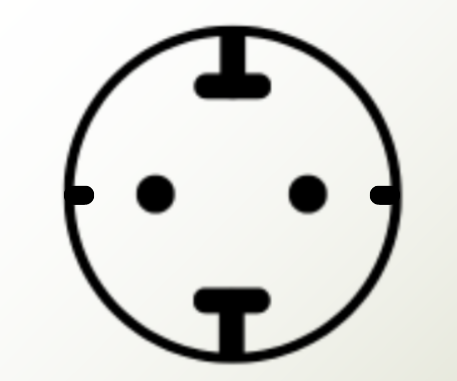 Type F
B. Practical Survival Notes
- Flights: Choose direct flights into Vienna International Airport (VIE) or major regional airports such as Salzburg (SZG) and Innsbruck (INN) where possible, and build at least a 2–3 hour buffer for winter connections due to potential de-icing and weather delays. LOW risk of disruptive missed connections or overnight airport stays.
- Airport Transfers: Use official City Airport Train (CAT), ÖBB Railjet, or licensed taxi and ride-hailing ranks at Vienna International Airport rather than informal drivers, and pre-book corporate transfers for late-night arrivals. MODERATE risk of overcharging, minor scams, or longer journey times if you use unregulated transport.
- Car Hire: Book hire cars only from established operators at airports or major train stations, specify winter tyres and snow chains for alpine routes between November and April, and inspect and photograph the vehicle for existing damage before departure. MODERATE risk of costly damage disputes, fines, or loss of mobility on mountain roads.
- Accommodation: Select hotels or serviced apartments with 24/7 reception, clear fire safety signage, and in-room safes in central districts of Vienna (Innere Stadt, Leopoldstadt, Neubau) or close to main stations in secondary cities, and keep passports and spares of key documents locked away. LOW risk of theft from rooms or reduced evacuation capability in an emergency.
- Attractions & Tours: Book tours for Schönbrunn Palace, Salzburg Old Town, Danube cruises, and alpine excursions through reputable operators or official tourist offices, and verify that winter sports guides hold appropriate mountain or ski instructor certification and insurance. MODERATE risk of financial loss, inadequate safety standards, or injuries during poorly supervised activities.
- Rail & Intercity Travel: Use ÖBB trains for intercity movement between Vienna, Linz, Salzburg, Graz, and Innsbruck, and reserve seats during peak ski and summer seasons to ensure predictable itineraries and access to onboard facilities. LOW risk of crowding, luggage theft, or travel disruption around holidays and major events.
- Urban Transport: Use Vienna’s integrated U-Bahn, tram, and bus network with validated tickets, avoid empty carriages late at night, and keep valuables secured in cross-body bags in busy hubs such as Stephansplatz, Karlsplatz, and Praterstern. MODERATE risk of pickpocketing and targeted bag theft in crowded public transport.
- Emergency Evacuation Routes: Familiarise yourself with exit routes in hotels, conference centres, and alpine lodges, keep a small grab-bag with essentials by the door, and identify Vienna Hauptbahnhof and major regional stations as primary overland evacuation points. LOW risk of confusion or delays during fire, security incidents, or sudden weather-related evacuations.
- Shelter-in-Place Options: Identify interior rooms away from street-facing windows in your accommodation and workplace as potential shelter-in-place locations, and ensure you can secure doors quickly during civil disturbances or incidents near government buildings. LOW risk of injury from glass, debris, or being caught in localised unrest.
- Emergency Kit & Medication: Carry a compact kit with EU-compatible plug adapter, power bank, basic first-aid supplies, and at least several days of essential medication and prescriptions in hand luggage. MODERATE risk of treatment delays or inability to maintain medication regimes during travel disruption.
- Document Security: Keep passport, visa evidence, and insurance details in a hotel safe or concealed money belt, and store encrypted digital copies in a secure cloud account accessible from a secondary device. LOW risk of identity theft or prolonged administrative difficulties after loss or theft.
- Official Alert Channels: Monitor Austrian authorities’ alerts via the Federal Ministry of the Interior, local police social media channels, and the GeoSphere Austria weather alerts, and combine these with your home government advisories for terrorism and severe weather updates. MODERATE risk of missed warnings about elevated terror alerts, protests, or hazardous weather if you rely only on informal news.
- Cash & Payments Logistics: Austria remains one of the most cash-loving societies in Europe. In rural areas, traditional taverns (Heurige), and alpine mountain huts (Hütten), card payments are not just "inconsistent"—they are frequently non-existent. Many of these places strictly display signs saying "Nur Barzahlung" (Cash Only). LOW risk of not being able to pay for goods and services due to payment limitations.
C. Cultural Red Lines
- Nazi Symbols and Gestures: Do not display Nazi symbols, salute, or promote related ideology in any context, including jokes or social media posts, because Austrian law strictly criminalises such behaviour. HIGH risk of arrest, prosecution, fines, or deportation.
- Holocaust Denial and Extremist Speech: Avoid any statements that deny, trivialise, or glorify the Holocaust or Nazi crimes, including during private conversations that others might overhear. HIGH risk of criminal charges, detention, and long-term legal consequences.
- Public Hate Speech and Incitement: Refrain from racist, antisemitic, or xenophobic remarks in public, including on social media while in Austria, as hate speech falls under strict criminal law. HIGH risk of arrest, substantial fines, and damage to professional reputation.
- Political Protests and Police Operations: Do not join spontaneous demonstrations, interfere with police activity, or photograph officers aggressively at close range around the Parliament, Ballhausplatz, or major squares without awareness of local sensitivities. MODERATE risk of detention, on-the-spot fines, or involvement as a witness or suspect.
- Religious Sites and Practices: Dress modestly, speak quietly, and avoid disruptive photography in churches, synagogues, and cemeteries such as Vienna’s Central Cemetery and historic inner-city churches. MODERATE risk of removal from the site, social confrontation, or involvement of security staff.
- Alcohol and Public Behaviour: Avoid aggressive drunken behaviour, loud shouting at night in residential streets, and open-container drinking near schools or family areas, even though alcohol consumption is generally permitted. MODERATE risk of police intervention, fines, or being barred from venues.
- Drugs and Narcotics: Do not purchase, possess, or consume illegal drugs, including small amounts of cannabis, and avoid carrying substances for others across borders. HIGH risk of arrest, criminal charges, and potential custodial sentences.
- Photography of Sensitive Locations: Avoid photographing critical infrastructure such as border posts, military facilities, and certain government buildings in a manner that appears suspicious or systematic, this even includes train stations and transit tunnels, following European security updates, transit hubs have increased surveillance, and systematic photography of tracks, security checkpoints, or tunnels can trigger immediate intervention by the Federal Police (Bundespolizei).. MODERATE risk of questioning by police or security services and forced deletion of images.
- Public Displays of Affection: Keep displays of affection moderate in traditional or rural areas and in conservative venues, even though urban areas like Vienna and Graz show broad tolerance. LOW risk of social backlash, verbal harassment, or ejection from premises.
- Social Media Content on Local Politics: Avoid provocative or mocking posts about Austrian political figures, migration debates, or far-right and far-left groups while tagging locations, as this can inflame local tensions. MODERATE risk of online harassment, doxxing, or targeted hostility in person.
- Dress Codes in Formal and Cultural Venues: Respect smart-casual or formal dress expectations in high-end restaurants, opera houses like the Wiener Staatsoper, and cultural events, and avoid sportswear or beach clothing in these settings. LOW risk of being refused entry or causing reputational issues during business travel.
D. Connectivity
Primary Carriers
- Top Pick: Choose A1 Telekom Austria for broad 4G and growing 5G coverage across cities, main highways, and many alpine valleys.
- Budget Pick: Select HoT, Drei, or Magenta MVNO options if you prioritise cost savings and mainly operate in urban areas.
- Coverage Note: Expect strong coverage in major cities and established ski resorts, but plan for patchy or slower data service in remote hiking trails, deep uninhabited valleys, and high alpine wilderness zones.
eSIM Readiness
- Status: Major Austrian carriers and several travel eSIM providers support eSIM for unlocked smartphones.
- Action: Arrange an eSIM or physical SIM upon arrival at Vienna International Airport, major train stations, or carrier shops, and confirm that your device remains unlocked.
- Registration: Carry your passport when you purchase a SIM, as Austrian providers typically register customer identity for mobile services.
Essential Apps
- Transport: Use the ÖBB app and Wiener Linien apps (WienMobil) for train, U-Bahn, tram, and bus planning and ticketing, and add regional apps for Salzburg and Innsbruck public transport where relevant.
- Communication: Rely on WhatsApp, Signal, or Telegram for messaging and voice calls, and use standard mobile voice for critical communications with local contacts or services.
- Payment: Pay with cards through Apple Pay, Google Pay, or contactless debit and credit cards, and add your bank’s app to manage two-factor authentication and fraud alerts while abroad.
Offline Map Guidance
- Action: Download offline maps for Austria, with detailed layers for Vienna, Salzburg, and your target alpine regions, before you depart or while on reliable Wi-Fi.
- Navigation Tip: Mark your accommodation, key meeting venues, hospitals, embassies, and main transit hubs as favourites to navigate quickly if mobile data fails.
Digital Restrictions & VPNs
- Banned Apps: Expect mainstream social media and communication apps to function normally, with no routine nationwide bans on common Western platforms.
- VPN Status: Use VPN services legally for corporate access and enhanced privacy, while respecting Austrian and EU law on content and data use.
- Recommendation: Enable a reputable VPN on unsecured networks in hotels, cafés, and airports to protect corporate data, but disconnect when local services like banking apps exhibit compatibility issues.
Wi-Fi & Workspaces
- Availability: Access free or customer Wi-Fi in airports, major train stations, hotels, many cafés, and co-working spaces in larger cities, but expect fewer options in remote rural areas.
- Security: Connect through secured networks where possible, avoid sensitive transactions on open hotspots, and enable device-level encryption and automatic lock to reduce exposure to opportunistic cyber theft.
E. Potential Scams
- Overpriced Taxi Routes from Airports: At Vienna International Airport and main stations, some drivers may take longer routes or claim broken meters to inflate fares, especially for visibly foreign passengers. MODERATE risk of financial loss through excessive charges.
- Unlicensed Transfer Drivers: In front of airports, hotels, and major nightlife areas, unlicensed drivers may offer cheap rides without meters or official identification. MODERATE risk of overcharging, disputes, or personal safety concerns.
- Restaurant and Bar Bill Padding: In tourist-heavy zones like Vienna’s Innere Stadt or around Salzburg Old Town, some venues may add unmentioned cover charges, bread charges, or expensive drinks to the bill. MODERATE risk of paying significantly more than expected for meals and drinks.
- Street Charity Collectors and Petitioners: In busy pedestrian areas such as Kärntner Straße or near Stephansdom, aggressive petitioners or “charity” collectors may request signatures then demand money or card donations. LOW risk of small but repeated financial losses and potential exposure of personal details.
- Fake Ticket Sellers for Concerts and Tours: Around major cultural sites and concert venues in Vienna and Salzburg, unauthorised sellers may offer “last-minute” opera tickets or tour packages that are invalid or far above face value. MODERATE risk of complete loss of ticket cost and disruption to planned itineraries.
- ATM ‘Helper’ and Card Skimming Scams: In transport hubs and near tourist sites, individuals posing as helpful locals may watch PIN entry or direct you to compromised ATMs. MODERATE risk of card cloning, unauthorised withdrawals, and account compromise.
- Nightlife Overcharging in Tourist Bars: In central nightlife districts, certain bars and clubs may target tourists with unsolicited drinks, lack of menus, or unclear pricing, then present extremely high bills and pressure guests to pay. MODERATE risk of substantial financial loss and intimidating confrontations.
- Short-Change and Currency Mix-Ups: At busy kiosks, Christmas markets, and festival stalls, rushed transactions may involve incorrect change or confusion between similar euro denominations. LOW risk of incremental financial loss over multiple purchases.
- Online Rental and Ticket Fraud: Fraudsters may advertise non-existent apartments, ski chalets, or event tickets on online platforms and request advance bank transfers outside secure systems. MODERATE risk of losing prepaid funds and arriving without valid accommodation or event access.
F. Things To Watch Out For
- Elevated Terrorism Alert Level: Austrian authorities maintain a high terrorism alert level (4 out of 5), particularly in Vienna and other urban centres, with visible police presence around synagogues, churches, transport hubs, and government buildings. MODERATE risk of localised attacks, temporary lockdowns, or transport disruption.
- Petty Theft in Tourist Areas: Pickpocketing and bag theft occur most often in Vienna’s city centre, on crowded trams and U-Bahn lines, and at major events and Christmas markets. MODERATE risk of loss of passports, electronics, and wallets.
- Winter Sports and Alpine Hazards: Ski resorts in Tyrol, Salzburg, and Vorarlberg can face avalanches, white-out conditions, and icy roads, especially off-piste or during heavy snow and thaw cycles. HIGH risk of serious injury or death for unprepared or off-piste skiers and mountaineers.
- Flooding and River Swells: Danube and other river systems occasionally experience seasonal flooding, affecting Vienna, Lower Austria, and other regions with path or road closures near riverbanks. MODERATE risk of localised transport disruption and itinerary changes.
- Heatwaves and Air Quality in Summer: Periodic heatwaves in cities like Vienna and Graz can strain public health and create discomfort in buildings without air conditioning. LOW risk of heat-related illness, especially for older travellers or those with cardiovascular conditions.
- Road Safety and Rural Driving: Mountain roads involve sharp bends, narrow passes, and rapidly changing weather, while rural routes may host fast-moving local traffic. MODERATE risk of accidents for drivers unfamiliar with alpine conditions or winter driving.
- Demonstrations and Public Gatherings: Political rallies and demonstrations sometimes occur near Austrian Parliament, Heldenplatz, and other central locations in Vienna. LOW risk of incidental exposure to crowd control measures, tear gas, or minor clashes.
- Language Barriers Outside Tourist Hubs: While many urban Austrians speak English, rural areas and older populations may use primarily German or regional dialects. LOW risk of miscommunication impacting medical care, police reporting, or logistics.
- Cybercrime and Data Exposure: Public Wi-Fi in cafés, hotels, and transit hubs can expose travellers to data interception or phishing attempts, particularly those using corporate devices without protection. MODERATE risk of credential theft, unauthorised account access, or compromise of sensitive business information.
G. Dos
- Carry Valid Identification: Do carry your passport or a copy plus photo ID when moving around cities and intercity routes to satisfy potential police checks and hotel registration requirements. LOW risk of delays, fines, or administrative issues during identity verification.
- Use Official Public Transport Channels: Do buy and validate tickets through official machines, apps, or staffed counters on Vienna’s U-Bahn and ÖBB trains, and keep proof of payment until you exit. LOW risk of on-the-spot fines or disputes with inspectors.
- Purchase Comprehensive Insurance: Do obtain travel insurance that covers medical treatment, alpine rescue, off-piste skiing (if relevant), and trip disruption before arrival. MODERATE risk of substantial out-of-pocket costs for medical care, helicopter evacuation, or cancelled services without cover.
- Prepare for Alpine Conditions: Do check avalanche bulletins and weather forecasts before skiing, hiking, or climbing, and carry appropriate gear such as crampons, avalanche transceivers, and layered clothing where activities warrant it. HIGH risk of hypothermia, falls, or burial in avalanches if you enter mountains unprepared.
- Learn Basic German Phrases: Do learn key German phrases for greetings, directions, and emergencies to improve interactions with locals and authorities, especially outside major cities. LOW risk of miscommunication during urgent situations.
- Respect Quiet and Order in Public Spaces: Do speak at moderate volume on public transport, queue in an orderly fashion, and follow posted signs in residential buildings and courtyards. LOW risk of confrontations with locals or intervention by security staff.
- Register Travel Plans with Your Embassy: Do register your presence and contact details with your embassy or foreign ministry’s travel registration service if you stay longer or travel extensively in rural areas. LOW risk of delayed consular support during crises or personal emergencies.
- Keep Copies of Critical Documents: Do store scanned copies of your passport, insurance, and tickets in encrypted cloud storage and on a secondary device. LOW risk of extended disruption following loss or theft of originals.
- Use ATMs Inside Banks or Malls: Do prefer ATMs located inside bank branches or shopping centres, and inspect card slots and keypads before use. MODERATE risk of card skimming or theft at isolated or tampered machines.
H. Don'ts
- Do Not Ignore Ticket Validation Rules: Do not board trams, buses, or regional trains without a valid and stamped ticket where required, even for short journeys. MODERATE risk of on-the-spot fines and unpleasant encounters with inspectors.
- Do Not Leave Valuables Unattended: Do not place bags on adjacent chairs or hang them on the back of café seats, especially in Vienna’s centre and busy tourist areas. MODERATE risk of opportunistic theft of laptops, passports, and wallets.
- Do Not Disregard Mountain Warnings: Do not pass closed piste signs, avalanche warnings, or barrier ropes in ski areas or hiking zones. HIGH risk of severe injury, death, and invalidation of insurance coverage.
- Do Not Engage with Aggressive Touts: Do not follow unsolicited ticket sellers, bar promoters, or unlicensed guides who approach you near major attractions or stations. MODERATE risk of scams, financial loss, or being lured into unsafe venues.
- Do Not Join Local Political Protests: Do not participate in demonstrations or marches, especially about contentious political or international issues, regardless of personal views. MODERATE risk of being caught in crowd-control operations, identity recording, or arrest.
- Do Not Overindulge in Public Drinking: Do not drink to the point of loss of control in public spaces or on transport, even during festivals or après-ski events. MODERATE risk of assault, accidents, or police involvement.
- Do Not Rely Solely on Cash or a Single Card: Do not travel with only one payment card or with all your cash in one wallet, particularly when moving through busy stations. LOW risk of complete loss of funds if you encounter theft or card issues.
- Do Not Ignore Local Quiet Hours: Do not play loud music or make excessive noise in residential areas late at night, including in short-term rentals. LOW risk of neighbour complaints, landlord intervention, or police visits.
I. Special Considerations
- Strong Rule-of-Law Environment: Austria maintains a stable democratic system with predictable legal procedures, so authorities expect strict compliance with regulations on documentation, driving, and public order. LOW risk of arbitrary detention but moderate risk of fines if you breach administrative rules.
- High-Quality Healthcare System: The country offers advanced medical facilities and emergency services. Public hospitals provide immediate care, but foreign nationals face out-of-pocket costs unless they have valid travel insurance or reciprocal coverage. Emergency medical care is never delayed due to billing, but elective or non-urgent care requires clear upfront payment methods. HIGH risk of substantial immediate expenses for those without adequate insurance.
- Advanced Alpine Rescue Infrastructure: Well-developed mountain rescue services, signposted trails, and ski patrols operate in major alpine regions, but they rely on travellers making prudent decisions and carrying proper insurance. HIGH risk of costly rescue operations and potential legal consequences if you act recklessly.
- Efficient Public Transport and Punctuality Culture: Trains, trams, and buses typically run on tight schedules, and Austrians value punctuality in business and social settings. LOW risk of missed connections and damaged professional relationships if you plan conservative transfer times.
- Ageing Population and Social Services: An ageing demographic and comprehensive social insurance system contribute to political debates on pensions, migration, and labour, which sometimes drive demonstrations. LOW risk of encountering disruptive but usually controlled protests in city centres.
- Smoking Regulations and Zones: Smoking is completely banned indoors across all public spaces, including restaurants, bars, cafés, and transport hubs. LOW risk of fines or social friction if you observe smoke-free signage and move outdoors.
- Cash and Digital Payment Balance: While contactless payments see wide use, some small businesses, rural guesthouses, and market stalls still prefer cash or set minimum card amounts. LOW risk of inconvenience or inability to complete purchases without some euro notes.
- Seasonal Tourism Peaks: Winter ski seasons and summer festival periods drive high visitor numbers in Vienna, Salzburg, and alpine resorts, stressing accommodation and transport capacity. MODERATE risk of higher prices, sold-out services, and denser crowds affecting security posture.
- EU and Schengen Membership: Austria’s participation in the EU and Schengen Area supports efficient cross-border travel but also leads to temporary internal border checks in response to migration pressures or security concerns. LOW risk of minor delays and more frequent ID checks at certain land borders.
- Travel Insurance Requirement: Purchase comprehensive travel insurance that includes emergency medical evacuation, repatriation, and trip cancellation. Verify your policy covers all planned activities and destinations. EXTREME risk of financial loss during a crisis.